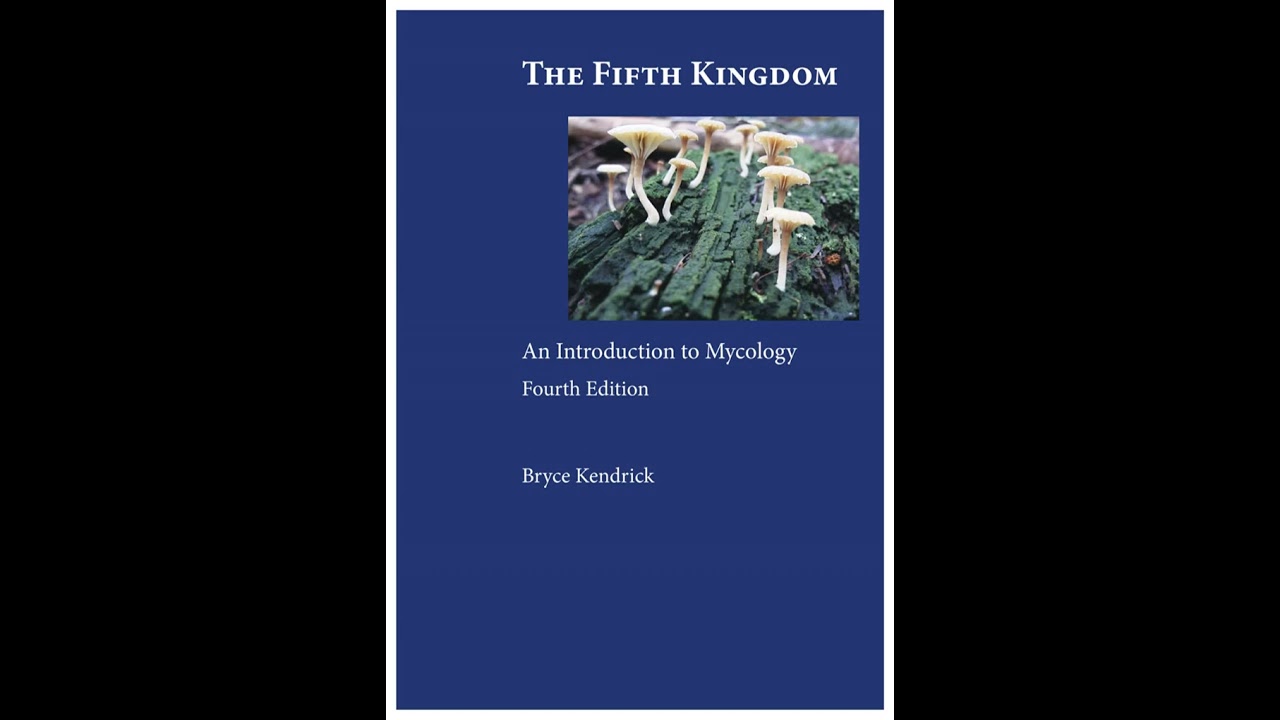
Chapter 18 of The Fifth Kingdom (Fourth Edition) by Bryce Kendrick examines fungi as food, tracing the cultural history, culinary delights, health risks, and industrial applications of mycophagy. The chapter begins with folklore: while English-speaking cultures often feared mushrooms as “toadstools,” Central and Eastern Europeans embraced them, developing deep traditions of mushroom hunting and cooking. Kendrick warns that of over 10,000 fleshy fungi, only a handful are deadly, but accurate identification—down to the Latin binomial—is essential since edible and poisonous species often occur within the same genus (Agaricus and Amanita). Folkloric tests like peeling caps or silver-spoon discoloration are dangerous myths.
The chapter then surveys cultivated mushrooms, led by Agaricus bisporus (the supermarket button mushroom), domesticated in 17th-century France and now grown worldwide at over a million tonnes per year. Other domesticated species include Pleurotus ostreatus (oyster mushroom), Lentinula edodes (shiitake), Volvariella volvacea (paddy straw mushroom), Flammulina velutipes (enokitake), Pholiota nameko (nameko), and Auricularia polytricha (cloud ear), all valued for flavor, texture, or medicinal benefits. Shiitake cultivation, refined over centuries in Asia, now produces over 150,000 tonnes annually. Oyster mushrooms contribute over 20,000 tonnes, though their allergenic spores cause workplace issues. Truffles (Tuber melanosporum, Tuber magnatum), “diamonds of the kitchen,” remain luxury crops, hunted with trained pigs or dogs and cultivated via trufficulture, while morels (Morchella spp.) inspire festivals and foraging traditions, particularly in North America.
Kendrick highlights wild edible fungi, such as Boletus edulis (porcini), Cantharellus cibarius (chanterelle), Tricholoma matsutake (matsutake), Lactarius deliciosus (saffron milk cap), Clitocybe nuda (blewit), Marasmius oreades (fairy ring mushroom), Coprinus comatus (shaggy mane), Langermannia gigantea (giant puffball), Armillaria mellea (honey mushroom), Amanita caesarea (Caesar’s mushroom), and termite-associated Termitomyces species. Rare delicacies include Dictyophora duplicata (bamboo fungus) in China and Tremella fuciformis (silver ear). Mexico’s Ustilago maydis (corn smut, huitlacoche) exemplifies how a crop pathogen becomes a prized food.
Beyond gastronomy, the chapter discusses industrial mycophagy, including single-cell protein (SCP) production. Fusarium graminearum mycelium, marketed as Quorn, provides high-protein, low-fat meat substitutes. Yeasts like Saccharomyces supplement diets with B vitamins but require processing to reduce nucleic acids and balance amino acid content.
The chapter also notes hazards: mushrooms bioaccumulate heavy metals and radioactive isotopes (e.g., after Chernobyl), and some species labeled edible contain mutagenic compounds (Agaricus bisporus, shiitake, Boletus edulis). Kendrick cautions against treating mushrooms as dietary staples. Finally, he emphasizes animal mycophagy, from rodents like voles and flying squirrels dispersing truffles, to insects and crustaceans feeding on spores and hyphae, and even birds consuming desert truffles. These interactions underscore fungi’s role in ecosystems and food webs, linking human culinary traditions to broader ecological dynamics.
📘 Read full blog summaries for every chapter:
https://lastminutelecture.com
📘 Have a book recommendation? Submit your suggestion here:
https://forms.gle/y7vQQ6WHoNgKeJmh8
Thank you for being a part of our little Last Minute Lecture family!
The Fifth Kingdom Chapter 18 summary, Bryce Kendrick fungi as food mycophagy explained, edible mushrooms Agaricus bisporus cultivation, Pleurotus ostreatus oyster mushroom allergies, Lentinula edodes shiitake cultivation methods, Volvariella volvacea paddy straw mushroom Asia, Flammulina velutipes enokitake Japan cultivation, Auricularia polytricha cloud ear Chinese cuisine, Tuber melanosporum black truffle trufficulture, Tuber magnatum white truffle Italy Alba festival, Morchella esculenta morel hunting Michigan festivals, Boletus edulis porcini ceps Steinpilz edible fungi, Cantharellus cibarius chanterelle Pfifferlinge girolle, Tricholoma matsutake pine mushroom Japan luxury, Lactarius deliciosus saffron milk cap Pompeii history, Clitocybe nuda blewit edible mushroom UK, Langermannia gigantea giant puffball edible fungi, Coprinus comatus shaggy mane ink cap, Armillaria mellea honey mushroom edible caution, Tremella fuciformis silver ear jelly fungus, Dictyophora bamboo fungus Chinese delicacy, Ustilago maydis corn smut huitlacoche Mexico, Quorn Fusarium graminearum single-cell protein, yeast nutrition B vitamins SCP potential, animal mycophagy rodents truffles flying squirrels

Информация по комментариям в разработке