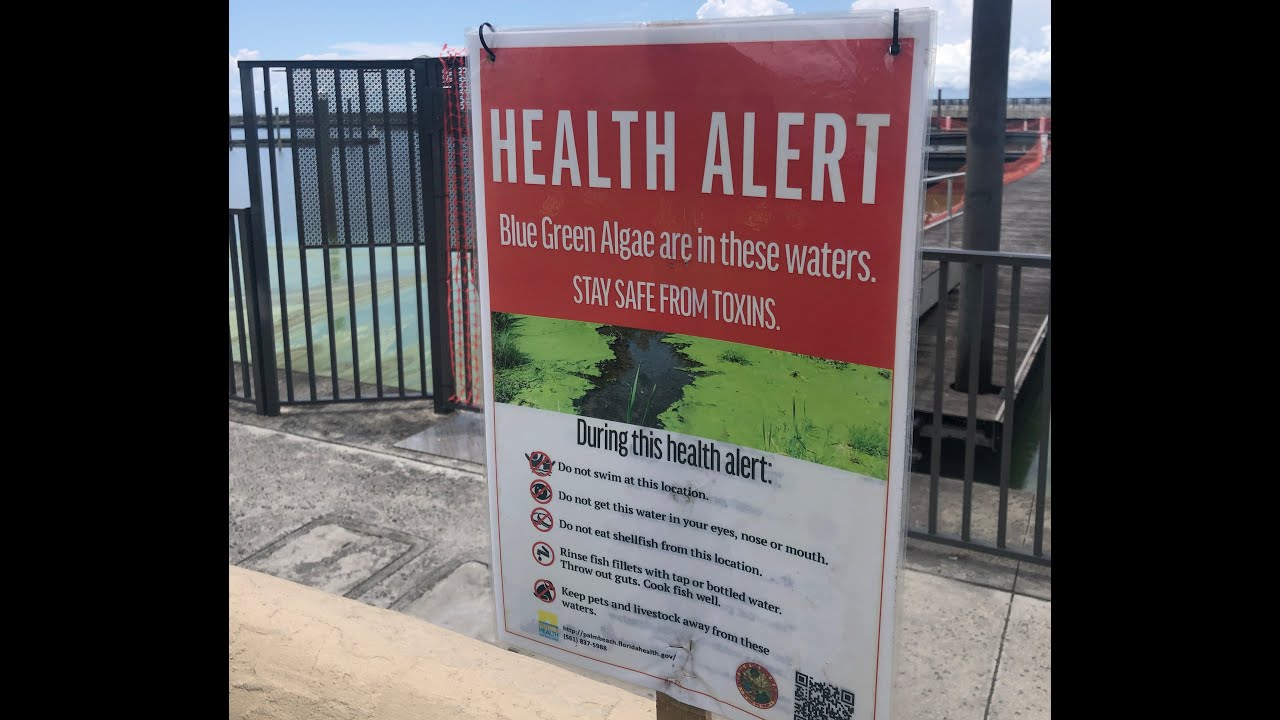
Toxic algal blooms in Florida's waterways, and across the nation, are a serious concern. When excess agricultural runoff (including fertilizers, nitrogen, phosphorus, heavy metals, and pesticides) combines with excessive water temperatures, it leads to a lack of oxygen, allowing anaerobic bacteria and algae to thrive. From red tide to elephant's ear aquatic plants, nature attempts to balance itself out. Algae, elephant's ear, and other aquatic plants grow, absorbing these nutrients. However, they also prevent light and oxygen from supporting the ecosystems in these precious waterways.
How can we remediate our waterways? How can we do our part in protecting these common grounds?
Toxic algal blooms can be devastating to water ecosystems, impacting both wildlife and human populations. Addressing this problem requires a multifaceted approach that involves government agencies, local communities, industry, and individual actions. Here's how different sectors can contribute:
Government Actions:
Regulating Agricultural Runoff: Implementing regulations that control the type and amount of fertilizers, pesticides, and other chemicals used near waterways can significantly reduce the risk of toxic algal blooms.
Monitoring Water Quality: Regular monitoring of water quality can help detect early signs of algal blooms, allowing for a quicker response.
Funding Research and Remediation Projects: Governments can invest in researching and developing new technologies and methods for treating and preventing algal blooms.
Industry Involvement:
Sustainable Agriculture Practices: Farmers and agricultural businesses can implement sustainable practices that minimize the use of harmful chemicals and promote soil health.
Wastewater Treatment: Industries must invest in advanced wastewater treatment technologies to ensure that chemicals and nutrients are removed before being released into waterways.
Community Actions:
Education and Awareness: Community groups can help educate the public about the causes and effects of algal blooms, and encourage responsible practices.
Local Cleanup and Restoration Projects: Volunteering for local cleanup efforts can help restore affected waterways and prevent future blooms.
Advocacy: Supporting and advocating for local policies that protect waterways can drive positive change at the governmental level.
Individual Contributions:
Mindful Consumption: Choosing products, including food, that are produced using environmentally friendly methods can reduce the demand for harmful agricultural practices.
Proper Disposal of Household Chemicals: Avoiding the improper disposal of household chemicals can prevent them from entering waterways.
Responsible Fertilizer Use: If you manage a lawn or garden, using fertilizers sparingly and in accordance with instructions can minimize runoff.
Reporting: If you observe signs of an algal bloom, reporting it to local authorities can enable a timely response.
Technological Solutions:
Implementing Water Treatment Technologies: Utilizing advanced water treatment techniques that target specific pollutants like phosphorus and nitrogen can reduce toxicity.
Bioremediation: Introducing specific organisms that can consume or neutralize the toxic substances can be a natural way to clean the water.
Mycoremediation:
Fungi as Nutrient Absorbers: Certain fungi are highly efficient at absorbing and concentrating heavy metals and nutrients such as phosphorus and nitrogen from water. By strategically introducing these fungi into affected waterways, they can act as natural filters, reducing the nutrient levels that fuel algal blooms.
Breaking Down Contaminants: Some fungi have the ability to break down complex chemicals, including pesticides and other pollutants. This can be utilized to detoxify water contaminated with substances contributing to toxic algal blooms.
Synergy with Other Organisms: Fungi can be used in conjunction with other microorganisms, such as bacteria, to create a more effective remediation system. While fungi absorb and concentrate contaminants, other microbes may further break down or metabolize them.
Sustainable Remediation: Mycoremediation offers an environmentally friendly approach. Fungi can be cultivated on agricultural waste, making it a sustainable option.
Potential Challenges: Implementing mycoremediation on a large scale requires careful consideration of factors such as fungal species selection, growing conditions, potential impact on local ecosystems, and regulatory compliance.
Collaboration:
Ultimately, a combination of these efforts is likely the best approach. Collaboration among governments, industries, communities, and individuals will be essential to remediate waterways and prevent future toxic algal blooms. Continuous assessment and adaptation of these strategies to the changing environment and technological advancements will further ensure long-term protection of these precious common-grounds.














Информация по комментариям в разработке