Origins of Taikiken
Kenichi Sawai, the founder of Taikiken, traveled to China in the mid-20th century and encountered the renowned master Wang Xiangzhai, the founder of Yiquan. Deeply impressed by the potent, streamlined, and highly practical nature of Yiquan, Sawai dedicated himself to studying and internalizing its principles. Upon his return to Japan, he adapted what he learned to a more accessible form for Japanese practitioners, thus giving birth to Taikiken.
Taikiken revolves around simplicity and the cultivation of natural energy (Qi) through body alignment, relaxed focus, and intuitive movement. Its foundational exercises include standing postures (Zhan Zhuang) to develop internal strength and body awareness, slow-moving drills to refine structure, and explosive yet efficient footwork and strikes for practical self-defense.
The Practice of Tuishu
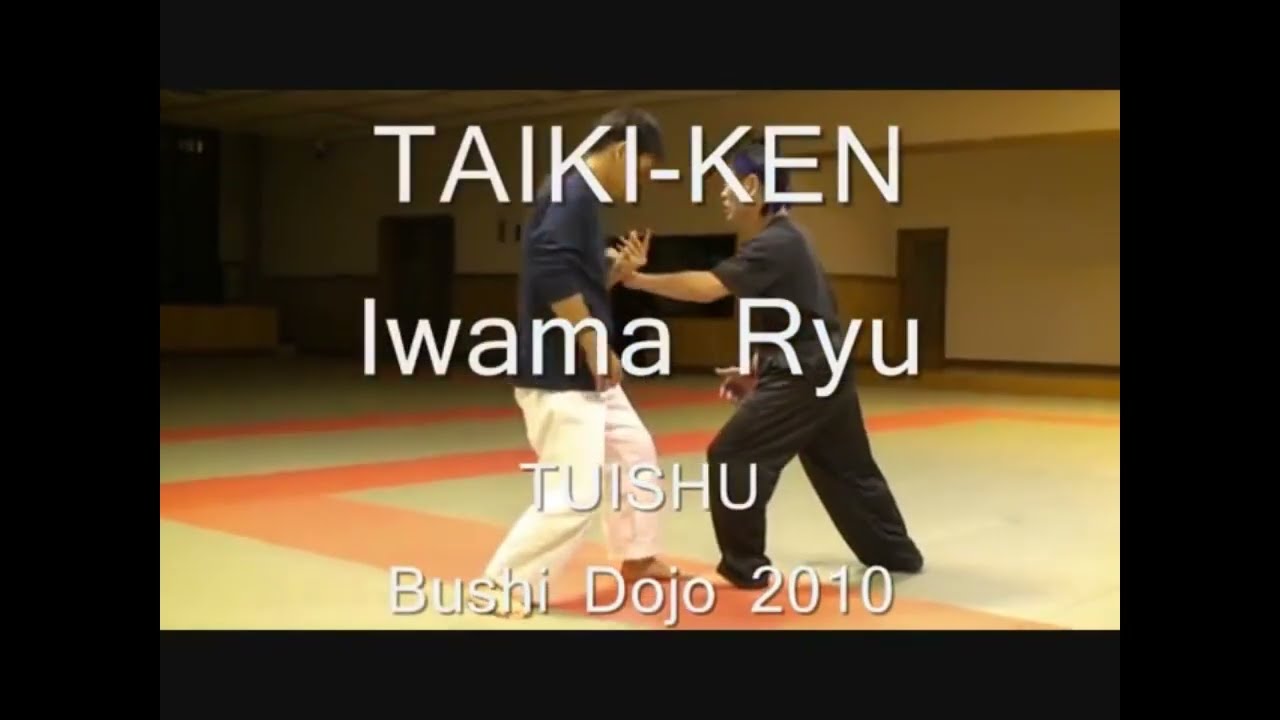
Tuishu, a term borrowed from the Chinese “push hands” tradition, is a vital component of Taikiken’s training methodology. The primary goal of Tuishu is to develop a keen sense of contact, sensitivity, and reflexive power. When two practitioners engage in Tuishu:
Sensitivity and Listening Skills
Tuishu teaches practitioners to “listen” to each other through touch, feeling subtle shifts in balance and body structure. Through this tactile connection, martial artists can anticipate the slightest intention to push, pull, or strike.
Adaptability in Structure
Rather than relying on rigid technique, Tuishu encourages practitioners to adapt spontaneously. Mastering body alignment and efficient use of force is more important than memorizing specific sequences.
Internal Power and Whole-Body Integration
The essence of internal arts lies in using the entire body in a unified way—generating power from the ground through aligned structures. Tuishu refines this, ensuring that each response comes from an integrated body, minimizing wasted motion and energy.
Developing Calmness Under Pressure
When engaged in Tuishu, practitioners learn to stay mentally calm and physically relaxed even under force. This calmness fosters clearer decision-making and prevents the practitioner from becoming rigid or easily manipulated.
Iwama Ryu Connection
Iwama Ryu is a lineage closely associated with the late Morihiro Saito, one of Morihei Ueshiba’s (the founder of Aikido) prominent students. While Iwama Ryu is traditionally recognized for a strong curriculum of weapons (bukiwaza) and a foundational focus on Aikido techniques, some practitioners have looked for ways to integrate internal aspects reminiscent of Chinese internal arts.
Shared Principles of Kokyu (Breath Power)
In Iwama Ryu Aikido, just as in Taikiken, there is an emphasis on breathing to unify mind and body. Correct breath work fosters a calm center, vital for responding to an opponent in a relaxed but powerful manner.
Structural Integrity
Taikiken’s emphasis on alignment resonates with Iwama Ryu’s precise stances and techniques. Both approaches rely on rooted footwork, stable hips, and proper posture to generate and transfer power effectively.
Connection and Redirection
Iwama Ryu encourages practitioners to blend with an opponent’s energy rather than meeting it head-on, much like Taikiken’s approach to guiding and redirecting force during Tuishu. The synergy of these systems helps practitioners refine sensitivity, self-control, and adaptability.
Bringing Internal and External Together
While Aikido is often deemed “internal,” some lines of practice focus extensively on technique and form. Infusing Taikiken’s Tuishu into Iwama Ryu practice can help deepen the internal aspect, creating a more comprehensive, well-rounded skill set.
Benefits of Taikiken “Tuishu” Iwama Ryu Practice
Heightened Body Awareness
Engaging in both Taikiken’s internal drills and Iwama Ryu’s structured practice helps practitioners become more mindful of posture, balance, and efficient movement. This leads to a stronger sense of body mechanics that transcends martial applications and benefits overall health.
Realistic Self-Defense and Restraint
Taikiken’s Tuishu refines one’s ability to handle close-quarter situations by developing the capacity to feel and respond instantly. Meanwhile, Iwama Ryu provides structured techniques for controlling and neutralizing opponents safely.
Balanced Development
By combining internal discipline with external form, practitioners gain a synergy that nurtures both the “soft” and “hard” aspects of martial arts training—resulting in a more versatile skill set.
Cultivation of Calm and Confidence
Both Taikiken and Iwama Ryu stress mental composure as much as physical skill. Regular practice fosters confidence built on genuine competence and a centered mindset, crucial for both daily life and self-defense.

Информация по комментариям в разработке