#mounikaphysiocare #breathingexercises Copy right info: • Elektronomia - Sky High | Progressive Hous...
The corona virus that cause COVID-19 attacks the lungs and respiratory system.COVID-19 often leads to pneumonia and acute respiratory disstress syndrome.
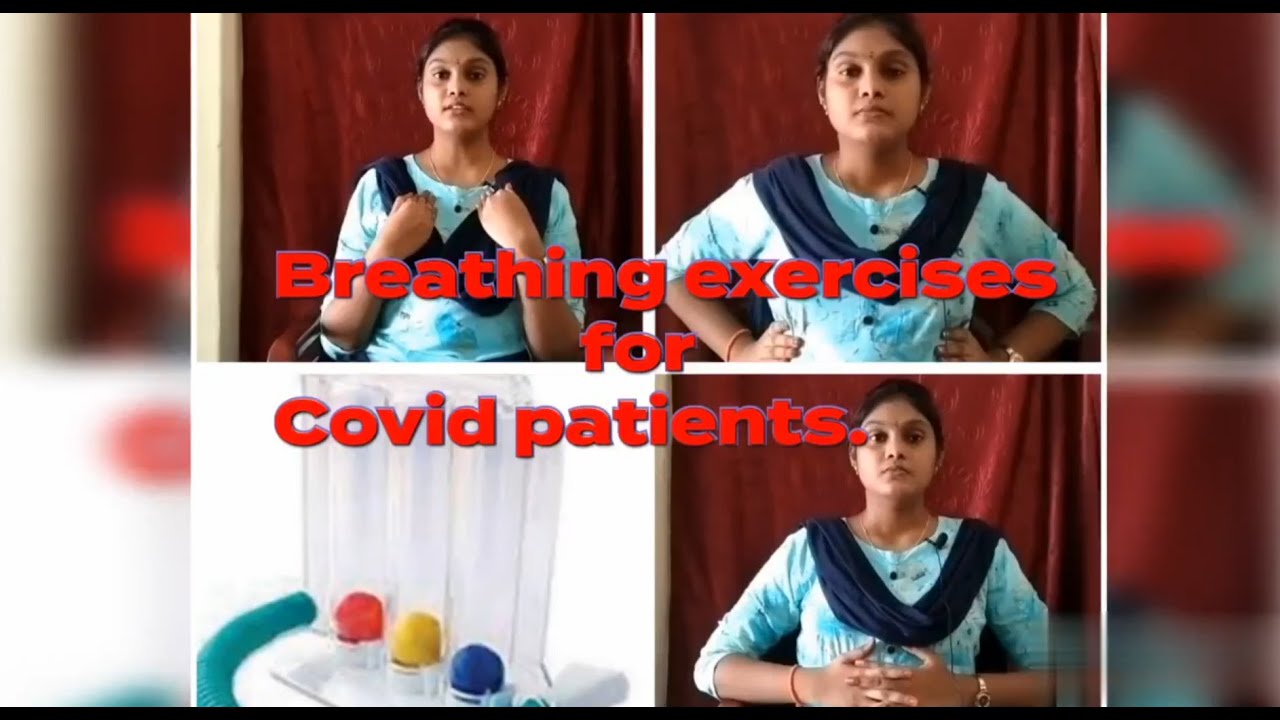
Physiotherapy breathing exercises can help in recovery of the patient.
Benefits of breathing exercises helps in restore lung function.
Precautions:
Do not begin exercises if your having fever,dysnea,chest pain.
While doing these exercises stop immediately if u feel the following symptoms like dizziness,dysnea,chest pain,cool, irregular heart beat any symptoms if u feel an emergency.
breathing exercises for covid patients,breathing exercises for corona patients,deep breathing exercises for covid-19 patients,physiotherapy breathing exercises,breathing techniques for corona virus patients,breathing exercises,physiotherapy breathing exercises for covid -19 patients,breathing exercises for covid-19 patients,# breathing exercises,deep breathing exercises for corona paitents,corona virus breathing techniques to treat covid-19 patients
physiotherapy breathing exercises for first wave corona patients, physiotherapy breathing exercises for second wave corona patients, physiotherapy exercises for mild corona patients, physiotherapy exercises for moderate corona patients,physiotherapy exercises for severe corona patients, yoga pranayama for covid patients, exercises for this pandemic situation, exercises to boost your immunity,pulmonary exercises for covid patients, exercises to maintain bronchial hygiene,breathing exercises to maintain oxygen levels,breathing exercises to maintain lung capacity,spyrometric training for covid patients, visual feed back training for covid patients,mounika physio care breathing exercises, breathing exercises in telugu, physiotherapist prescribing breathing exercises, detailed explanation of breathing exercises,conservative treatment for covid patients,pursed lip brathing exercises, apical expansion breathing exercises,lateral expansion breathing exercises,diaphragmatic breathing exercise, huffing nd cuffing techniques, home care management for covid patients.
Gradual increase of daily living activities and physical functioning
Provide patient with exercises that support recovery in daily function
All activities should be well monitored especially in patients with PICS
Perform exercises at low to moderate intensity and off limited duration. Keep in mind that patients who have been admitted to ICU and who show symptoms of PICS will have a very low capacity to perform activities and exercise.
The activity levels of the patient prior to COVID-19 infection, the patient’s needs and the current physical abilities of the patient will determine the specific parameters for exercise prescription
Recommendation of a maximum score of 4/10 on Borg Scale CR10 for shortness of breath and fatigue during the post-acute rehabilitation phase as patients have reduced lung function after COVID-19 infection and cardiac function may possibly be affected after COVID-19 infection.
No maximal exercise testing is done after active COVID-19 infection - limitations due to pandemic. So there will not always be adequate clinical information to determine a patient's
specific parameters for exercise prescription and also not possible to estimate the risk involved
of physical training at a moderate/high intensity.
Inspiratory muscle training if inspiratory muscles are weak
Inspiratory muscle training if inspiratory muscles are weak
Diaphragmatic breathing
Thoracic expansion (with shoulder elevation)
Mobilisation of respiratory muscles
Airway clearance techniques (as needed)
Positive expiratory devices may be added if needed
Frequent health checks for rehabilitation personnel
Staff shortages may arise either due to illness, isolation or redeployment
Changes in staff/patient ratio – more one on one sessions
Guidelines and protocols will be changing as new evidence becomes available. Continuous staff training will be paramount
Personnel should be trained and re-trained in the use of PPE
Physiotherapists should use higher levels of PPE if they are at risk of exposure to aerosols from post-COVID-19 patients.
Ongoing input from frontline staff is important to inform other healthcare professionals
Other ways of providing non-required therapies and services should be considered such as telerehabilitation
Work efficiency might be affected by the use of PPE and the time it takes to don PPE, as well as infection control measures
Virtual staff meetings should be held if possible
A separate area or unit is necessary for the rehabilitation of post-COVID-19 patients
Patients might be transferred from acute care earlier than is generally done, in order
Patients should stay in their rooms
follow my face book link: / mounika.grandhi9698

Информация по комментариям в разработке