Croatia: Where History, Culture, and Nature Converge
Nestled in the heart of Europe, Croatia is a country that boasts an enchanting blend of history, culture, and natural beauty. With its stunning coastline along the Adriatic Sea, picturesque medieval towns, vibrant cultural heritage, and lush national parks, Croatia offers a diverse tapestry of experiences that captivate the senses and leave a lasting impression on all who visit.
Geographically, Croatia is situated at the crossroads of Central and Southeast Europe, bordered by Slovenia to the northwest, Hungary to the northeast, Serbia to the east, Bosnia and Herzegovina to the southeast, and Montenegro to the southeast. Its strategic location has played a pivotal role in shaping its history and culture over the centuries.
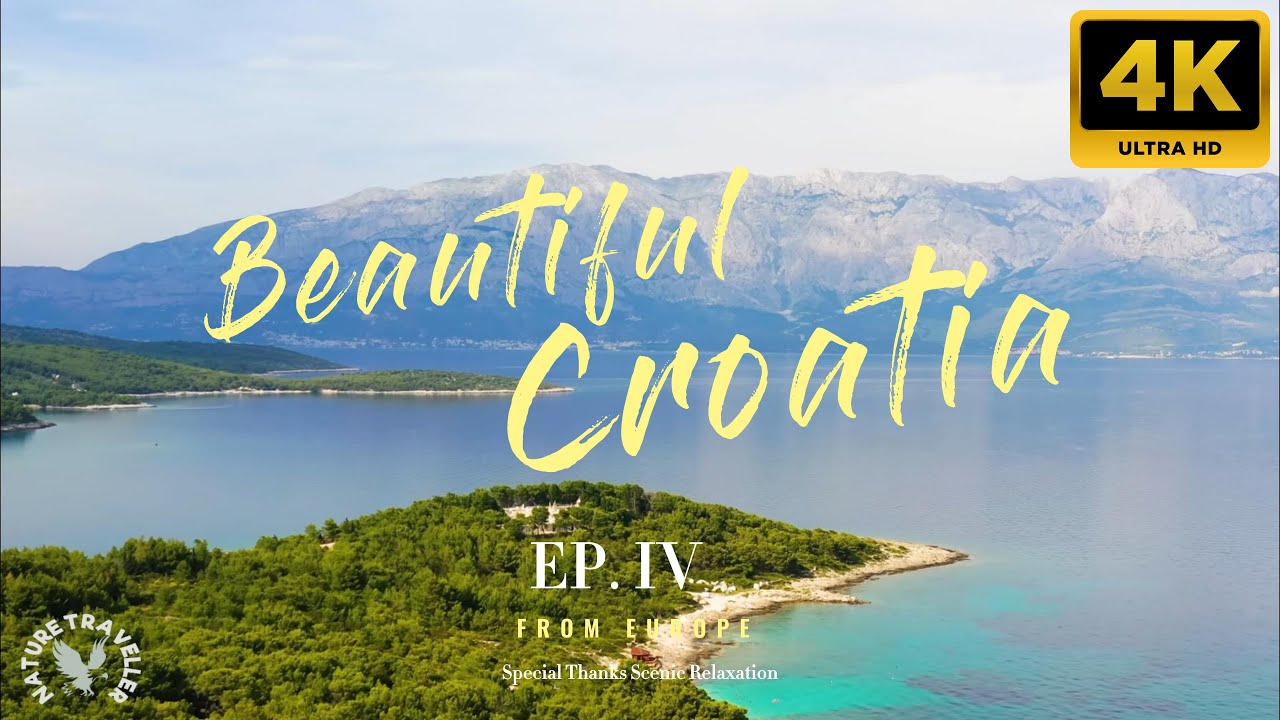
The Croatian coastline, stretching over 5,800 kilometers, is adorned with pristine beaches, secluded coves, and crystal-clear waters that beckon travelers from around the globe. The jewel of the Adriatic, Dubrovnik, with its magnificent city walls and marble streets, is a UNESCO World Heritage Site and a testament to Croatia's rich historical legacy. Walking through the labyrinthine alleys of Dubrovnik's Old Town, one can't help but feel transported back in time to an era of Venetian splendor and maritime trade.
Further up the coast lies Split, home to the UNESCO-listed Diocletian's Palace, a sprawling complex built by the Roman Emperor Diocletian in the 4th century AD. Today, the palace serves as the beating heart of the city, with its ancient walls housing bustling markets, charming cafes, and hidden courtyards waiting to be explored.
Inland, Croatia's capital city, Zagreb, exudes a dynamic blend of old-world charm and contemporary vibrancy. From its historic Upper Town, with its medieval architecture and cobblestone streets, to its lively Lower Town, brimming with cultural attractions, galleries, and chic boutiques, Zagreb offers a wealth of experiences for travelers of all tastes.
Venturing beyond the urban centers, Croatia's interior reveals a landscape of breathtaking natural beauty. Plitvice Lakes National Park, a UNESCO World Heritage Site, is a mesmerizing tapestry of cascading waterfalls, emerald lakes, and lush forests that seem straight out of a fairy tale. Visitors can wander along wooden boardwalks that meander through the park, immersing themselves in the serene beauty of this natural wonderland.
For those seeking adventure, Croatia's rugged mountains and pristine rivers offer a myriad of outdoor pursuits, from hiking and mountain biking to white-water rafting and zip-lining. The Paklenica National Park, located in the Velebit Mountain range, is a haven for outdoor enthusiasts, with its towering limestone cliffs and network of hiking trails that lead to panoramic vistas of the Adriatic Sea.
Croatia's culinary scene is as diverse as its landscapes, with a rich tapestry of flavors influenced by its Mediterranean, Central European, and Balkan heritage. From freshly caught seafood and sun-ripened produce to hearty stews and grilled meats, Croatian cuisine delights the palate with its simplicity and freshness. Coastal towns like Rovinj and Zadar are renowned for their seafood specialties, while inland regions such as Istria and Slavonia offer hearty dishes infused with local herbs and spices.
In addition to its natural and culinary wonders, Croatia is a country steeped in a rich tapestry of cultural traditions and heritage. From ancient Roman ruins and Byzantine mosaics to medieval castles and Baroque palaces, the country's architectural landscape reflects its tumultuous past and diverse cultural influences.
One of Croatia's most cherished cultural traditions is its vibrant folk music and dance, which is celebrated throughout the country with colorful festivals and lively performances. The UNESCO-listed Klapa singing, a traditional form of a cappella music native to the Dalmatian coast, embodies the soul of Croatia's coastal communities, with its haunting melodies and harmonious vocals resonating through the narrow streets and sun-drenched squares.
Croatia's cultural heritage is also evident in its rich literary and artistic traditions, with renowned writers such as Miroslav Krleža and Ivana Brlić-Mažuranić leaving an indelible mark on the country's literary landscape. The works of Croatian artists, from the medieval illuminations of the Dubrovnik School to the contemporary installations of the Zagreb School, reflect the country's diverse cultural influences and creative spirit.
In recent years, Croatia has emerged as one of Europe's premier tourist destinations, attracting millions of visitors each year with its pristine beaches, historic landmarks, and warm hospitality. The country's tourism industry has experienced rapid growth, fueled by its growing reputation as a must-visit destination for travelers seeking authentic experiences and natural beauty.

Информация по комментариям в разработке