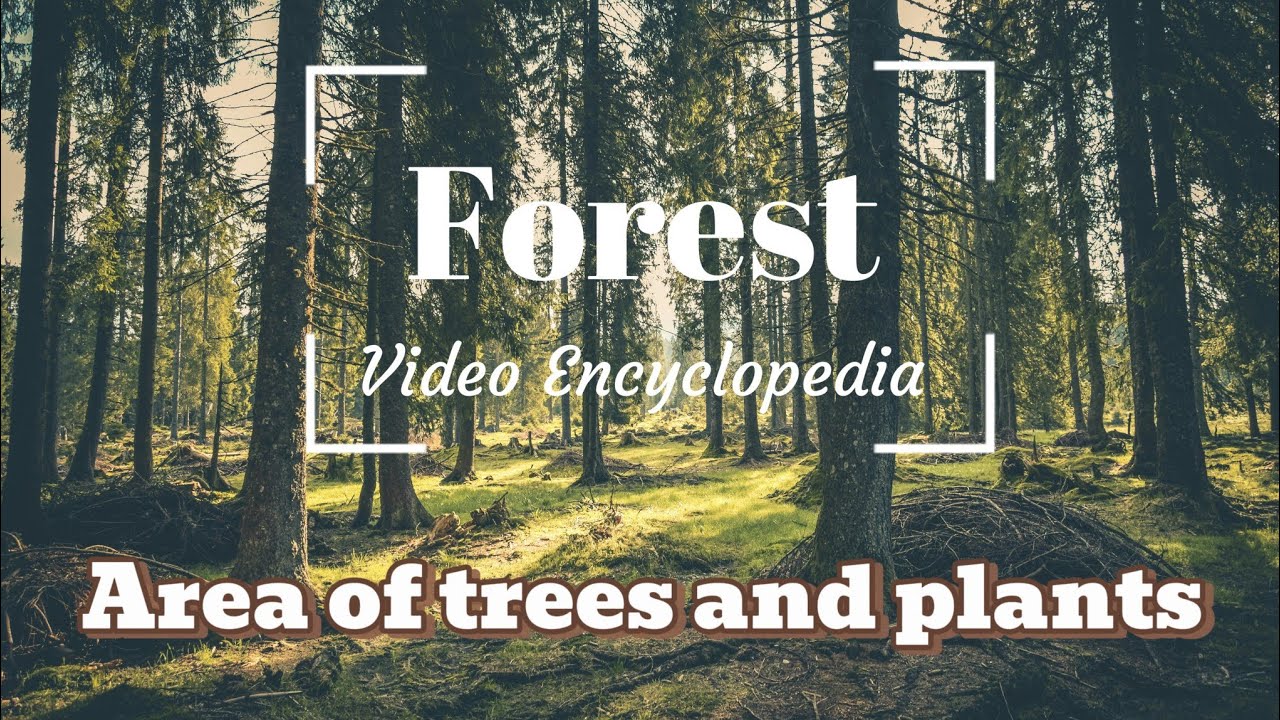
A forest is a large area dominated by trees and other vegetation. Forests are vital ecosystems that play a crucial role in maintaining the balance of nature. They provide habitat for a diverse range of plant and animal species, contribute to climate regulation, and offer numerous resources and benefits to humans.
Types of Forests:
1. Tropical Rainforests: Found near the equator, these forests are characterized by high rainfall and biodiversity. They have a dense canopy that allows very little light to reach the forest floor. Examples include the Amazon Rainforest in South America and the Congo Rainforest in Africa.
2. Temperate Forests: These forests are located in regions with moderate climates and distinct seasons. They are often divided into deciduous forests, where trees lose their leaves in winter, and coniferous forests, where evergreen trees like pines and firs are common. North America's Appalachian region and parts of Europe and Asia host temperate forests.
3. Boreal Forests (Taiga): These forests are found in the northern hemisphere, covering parts of Canada, Russia, and Scandinavia. They are characterized by cold temperatures and a prevalence of coniferous trees. The boreal forest is the largest terrestrial biome in the world.
4. Dry Forests: These forests occur in regions with low rainfall and are often found in areas that experience dry seasons. Trees in dry forests are adapted to conserve water. Examples include the dry forests of Madagascar and the Chaco in South America.
Importance of Forests:
1. Biodiversity: Forests are home to a wide variety of plants, animals, fungi, and microorganisms. They are some of the most diverse ecosystems on Earth, with many species still undiscovered.
2. Climate Regulation: Forests play a key role in the global carbon cycle. They absorb carbon dioxide from the atmosphere during photosynthesis and store it in their biomass, helping to mitigate climate change.
3. Water Cycle: Forests influence local and global water cycles. They help regulate the flow of rivers, reduce soil erosion, and maintain groundwater levels. Forests also play a role in the formation of rain clouds through the process of transpiration.
4. Economic Resources: Forests provide timber, non-timber products like fruits, nuts, and medicinal plants, and other raw materials. They are also sources of income for many communities through activities like tourism and forestry.
5. Cultural and Recreational Value: Many cultures have deep connections to forests, viewing them as sacred or culturally significant. Forests also offer recreational opportunities such as hiking, camping, and wildlife observation.
Threats to Forests:
1. Deforestation: The clearing of forests for agriculture, logging, and urban development is a major threat. Deforestation leads to habitat loss, decreased biodiversity, and contributes to climate change.
2. Climate Change: Changes in temperature and precipitation patterns can alter forest ecosystems, making them more vulnerable to pests, diseases, and wildfires.
3. Illegal Logging and Mining: These activities often occur without proper regulations, leading to environmental degradation and loss of biodiversity.
4. Pollution: Air and water pollution can damage forest ecosystems and the species that inhabit them.
Conserving and sustainably managing forests is crucial for maintaining the health of our planet. Efforts include reforestation, afforestation, sustainable forestry practices, and the protection of forested areas through legislation and conservation initiatives.
#encyclopedia

Информация по комментариям в разработке