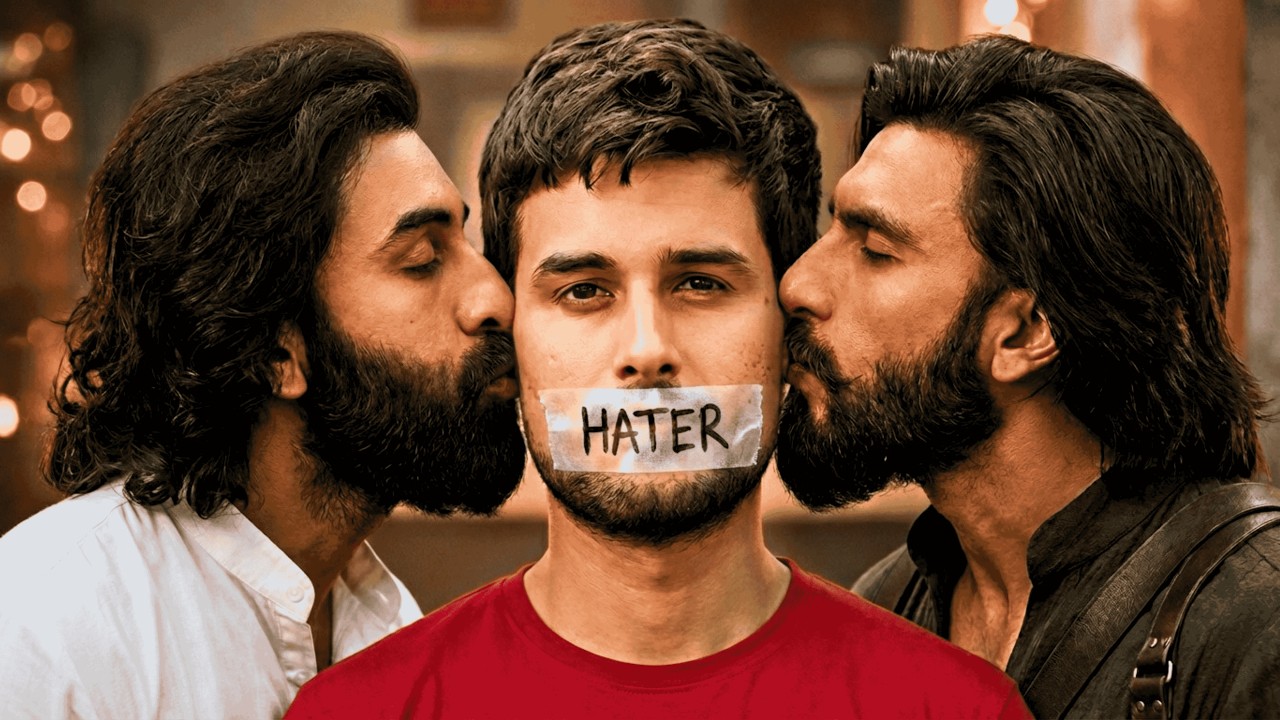
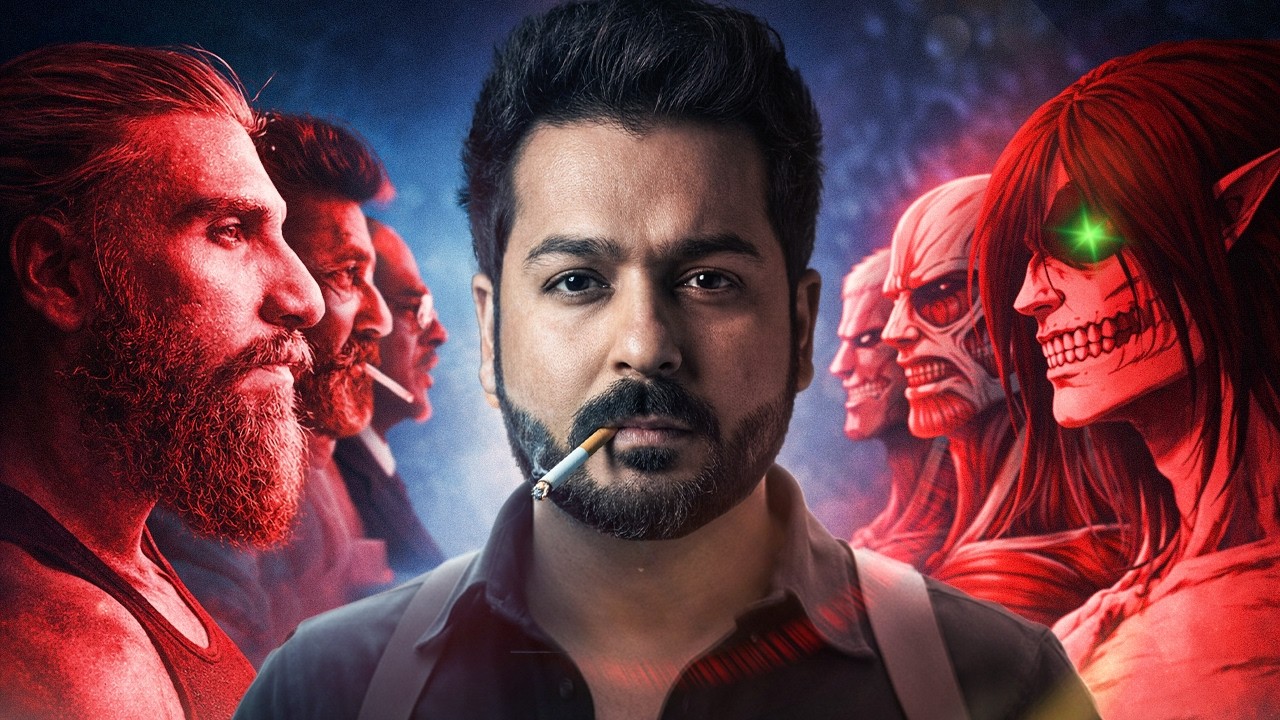
Animal and Dhurandhar became massive discussion points not because they failed commercially, but because critics strongly pushed back against their storytelling choices. So why did critics react negatively to both films despite strong box office traction and audience hype?
In the case of Animal, reviewers repeatedly targeted the film’s extreme violence, prolonged runtime, uneven second half, and the portrayal of masculinity and female characters. Many critics argued that the screenplay prioritized shock value and stylistic aggression over emotional coherence and narrative discipline. Terms like “indulgent,” “excessively brutal,” “thematically hollow,” and “glorification of toxic behaviour” appeared frequently in mainstream reviews. While Ranbir Kapoor’s performance, background score, cinematography and action staging were praised, critics questioned the moral framing, character arcs, and lack of psychological depth in key moments.
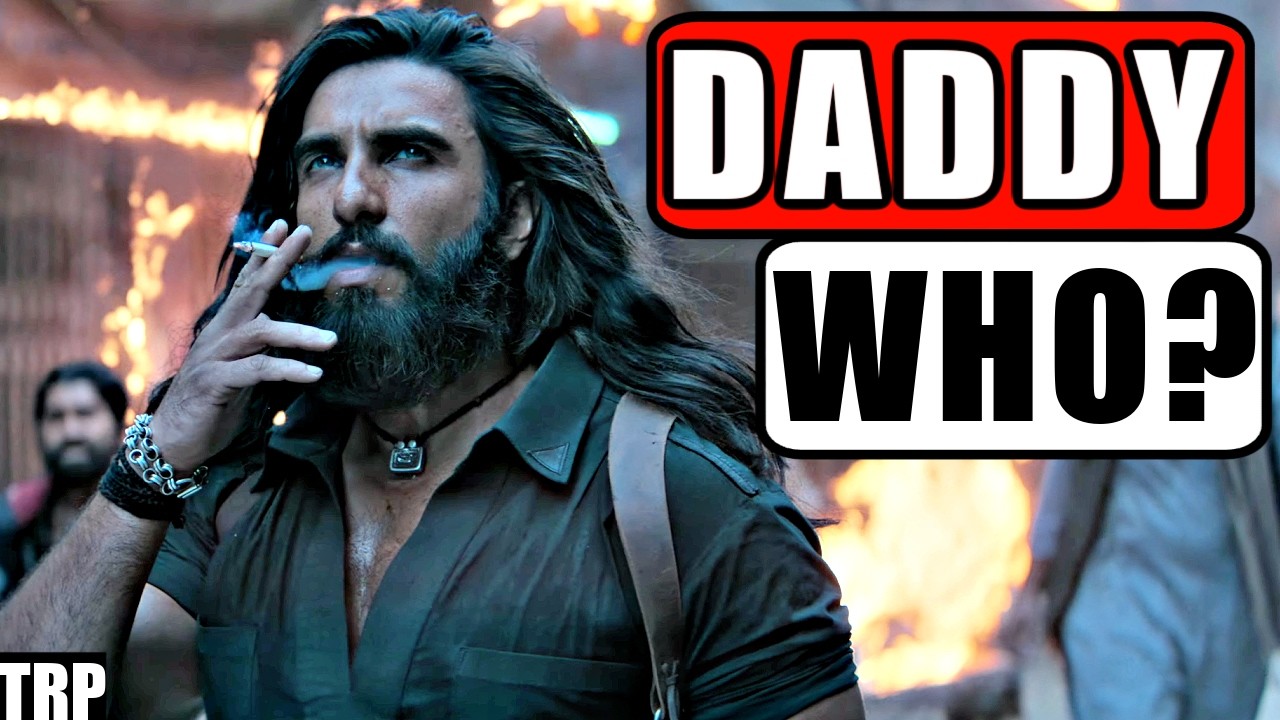
With Dhurandhar, the criticism followed a different but related pattern. Reviewers pointed to tonal imbalance, loud narrative treatment, aggressive nationalist undertones, and inconsistent writing. Some critics described the storytelling as relentless but emotionally distant, arguing that intensity was used as a substitute for layered character development. Questions were raised about pacing structure, narrative cohesion, and whether spectacle overshadowed subtlety. Even though performances and scale were appreciated, critics felt the screenplay lacked nuance and balance.
Copywrite:
https://track.pstmrk.it/3s/uppbeat.io...
https://track.pstmrk.it/3s/uppbeat.io...
In both films, a clear divide emerged between mass audience response and critical evaluation. Critics focused on screenplay structure, thematic depth, pacing discipline, character motivation, emotional payoff, ideological framing and narrative responsibility. Meanwhile, audiences often responded to scale, star power, action design, music impact and theatrical experience. This disconnect between critical standards and commercial appeal became the central debate.
This analysis explores why critics rejected Animal and Dhurandhar, breaking down screenplay criticism, violence debate, masculinity portrayal controversy, tonal excess, second-half pacing issues, character arc inconsistency, narrative structure flaws, and the broader discussion around modern Bollywood spectacle cinema. It also examines box office performance, audience reception, polarised reviews, social media discourse, and the growing gap between critic reviews and mass approval.
Animal review, Animal critics reaction, why critics hated Animal, Animal controversy, Ranbir Kapoor Animal performance, Animal box office collection, Dhurandhar review, why critics hate Dhurandhar, Dhurandhar controversy, Ranveer Singh Dhurandhar, Bollywood film criticism, toxic masculinity debate in cinema, nationalist cinema debate, screenplay flaws, second half pacing issue, tonal imbalance in films, polarising Bollywood movies, critic vs audience divide, Bollywood box office analysis, Indian cinema controversy, violent films debate, modern Bollywood storytelling analysis.
#Animal
#Dhurandhar
#FilmCritics
#BollywoodDebate
#CriticsVsAudience
Chapters:
0:00 Why Critics hate these movies?
0:36 VIOLENCE
1:07 Three Types of violence
1:18 1. Physical Violence
4:37 Is Violence Important in these movies?
7:28 2. Abusive Violence
8:18 3. Psychological And Emotional Violence
9:41 IDEOLOGY
10:18 Animal’s Ideology
12:48 Dhurandhar’s Ideology
13:50 Does cinema impact our society?










Информация по комментариям в разработке