Comprehensive Description of Iran
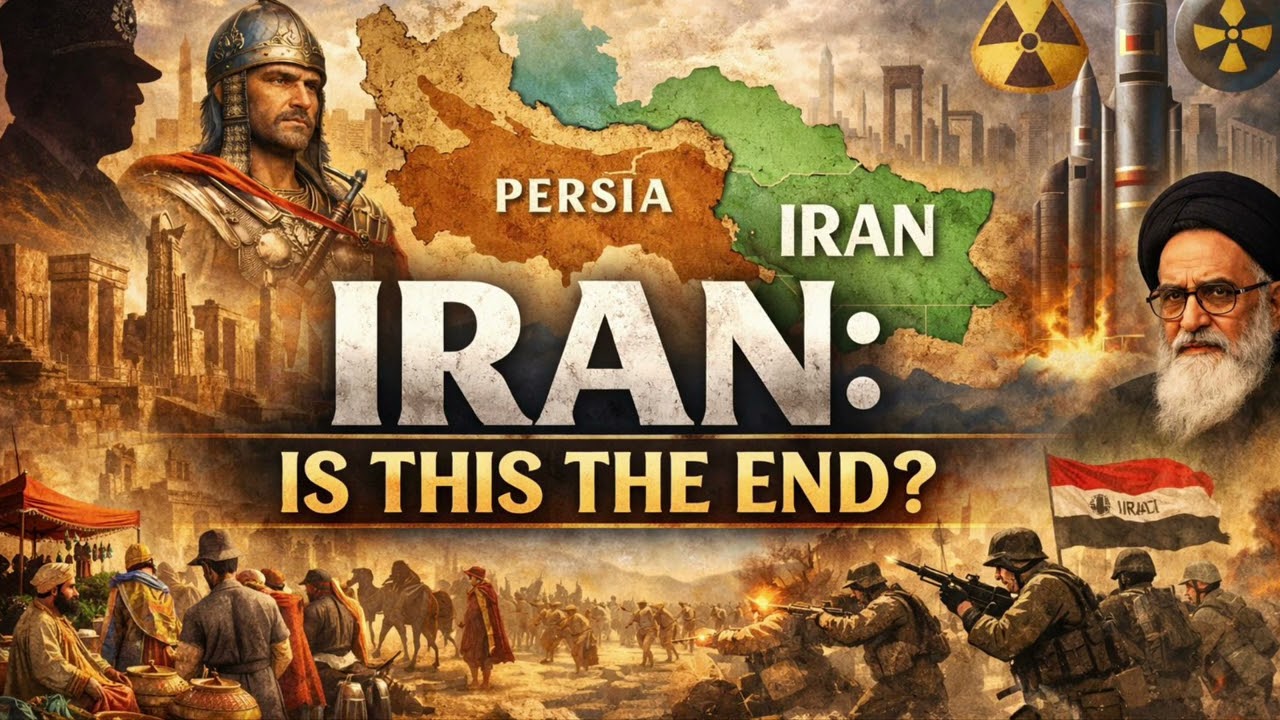
Iran is one of the longest-lived continuous civilisations in the world, with human settlements on its plateau dating back to at least the 5th millennium B.C.E. and a rich tapestry of cultures, empires, languages, and ideas that shaped much of West and Central Asia. 
Ancient Iran — historically known in the West as Persia — was home to powerful empires such as the Achaemenid, the Parthian, and the Sasanian, which collectively dominated the region for over a millennium, ruling vast territories from the eastern Mediterranean to Central Asia and influencing the Greco-Roman world. 
These early imperial powers created administrative systems, road networks, and cultural exchange that made Iran a crossroads of trade, art, law, and religion long before the rise of Islam. After the Arab conquest in the 7th century CE, Iran became a major cultural centre in the Islamic world, contributing scholars, poets, and administrators across a vast region. 
In the early modern period, the Safavid dynasty unified the Iranian plateau and made Shi’a Islam the state religion — a defining moment that set Iran on a distinct civilisational path separate from many Sunni neighbours. From that point onward, Iran’s political and religious identity deepened and shaped regional dynamics for centuries.
By the 19th and early 20th centuries, Iran’s strategic location and natural resources — especially oil discovered in 1908 — made it a focal point of rivalry between Russia, Britain, and later other great powers. 
In the mid-20th century, Iranian nationalism and resentment of foreign control climaxed in the nationalisation of oil by Prime Minister Mossadegh and his subsequent overthrow in 1953, an event widely associated with British and American involvement. This period deepened distrust of outside powers and strengthened the monarchy under Shah Mohammad Reza Pahlavi.
The 1979 Islamic Revolution overthrew the Shah and established the Islamic Republic, a profoundly different system of government with religious authority at its core. 
Soon after, Iran entered the devastating Iran–Iraq War (1980–1988), driven by territorial disputes and regional power struggles. In the decades that followed, Iran navigated sanctions, regional conflict, and ideological confrontation with Western powers.
Most recently, from late 2025 into 2026, Iran has experienced some of the largest nationwide protests since the revolution — initially sparked by economic hardship and expanding into broad dissent against the political system, with heavy crackdowns, internet blackouts, and thousands of detentions and casualties reported. 
Today, Iran stands as a complex nation shaped by ancient empires, the rise of Islam, global power politics, revolution, war, and persistent civic demands for change. Its future remains uncertain, with potential paths Like and Subscribe

Информация по комментариям в разработке