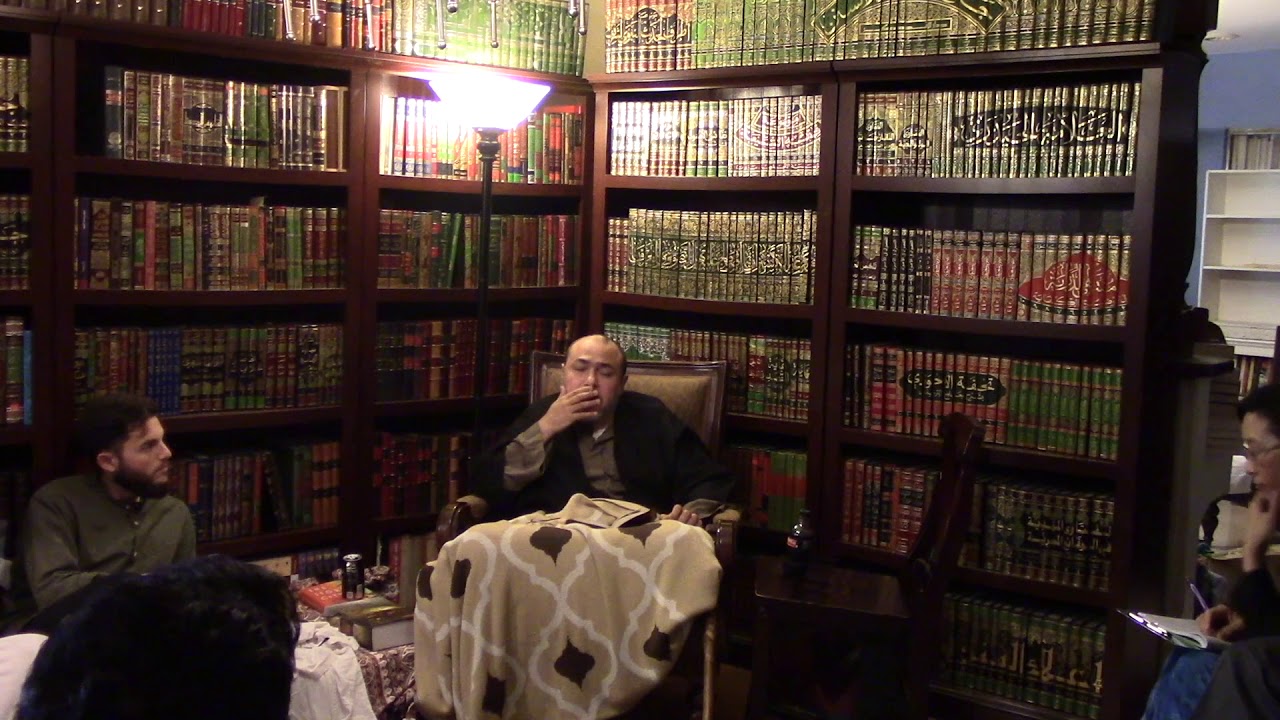
Dr. Khaled Abou El Fadl answers questions from around the world in this second Q&A on the last day of Ramadan 2020.
3:59- On Tattoos
** Answer begins at 17:54
As a new Muslim, I have to admit that, from before I was a Muslim, I have several visible tattoos on my arms and even one on my hand. And on top of that, also stretched earring holes. And I’d like to ask two questions: What should or could I do about it now, what is your idea about this? And do I need now to always feel ashamed and cover myself? How can this be a problem for my life and integration for my Muslim identity from now on, for example in Muslim communities? Tattoos in general are also touched upon.
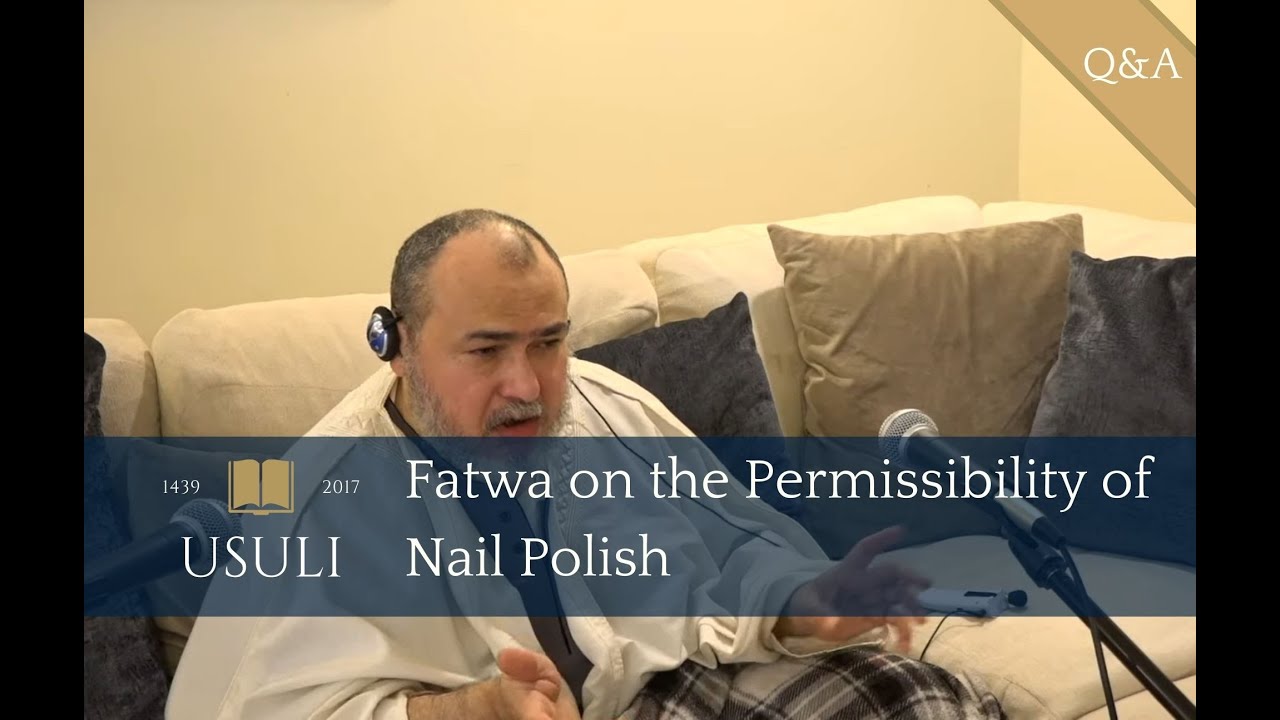
11:49 - More on nail polish fatwa
Dr. Abou El Fadl delves further into the fatwa he delivered in his previous Q&A regarding the wearing of nail polish and the validity of prayer.
24:20 - On Eid prayer during a pandemic
People are asking about the permissibly of joining Eid prayer remotely, so Dr. Abou El Fadl talks about that. Also, some people have asked if Dr. Abou El Fadl would be willing to do Eid prayer.
29:30 - On medicine usage while fasting
I do not have asthma, but I do suffer from allergies and occasionally have trouble breathing. Today I was struggling to breath and I used my inhaler. I know that most people say using one’s inhaler breaks one’s fast and I usually abide by that, but when I was having trouble breathing, that just seemed so unreasonable. Using my inhaler will not quench my thirst nor satisfy my hunger and God says in His Holy Book that He desires ease for us and not hardship, but now I’ve become worried that I invalidated my fast because many Islamic websites say that I did. I was curious what your thoughts on this were at The Usuli Institute, because I’ve long respected your positions on a variety of issues. If I did invalidate my fast, how might I make it up?
37:06 - On pregnancy and fasting
What are the rulings for pregnant women fasting? Does one have to pay fidya and complete the fast later? I’m getting many opinions, please help. Also, what about breastfeeding women?
41:18- On wudu and prayer
Dr. Abou El Fadl always says that salat starts with wudu. Does this mean that you have to do wudu every time that you perform salat?
44:46 - On combining prayers
Can we combine zuhr and asr prayers, even when we are not travelling and just at home?
49:31 - On menses, prayer and fasting
** Answer begins at 1:07:30
My 14 year old daughter asked me recently, why is it that women aren’t allowed to pray or fast during their periods? And if this is true, what differentiates it from the women-hating cultures that isolate and ostracize women during menses and lochia? Specifically, if Allah doesn’t think it's unclean, then why is praying or fasting not an option?
What is the legal basis for women having to stop the actual ritual act of prayer and fasting during their menses? I’m trying to figure out if it’s something that was made up by male theologians, or crept in from other traditions, for example, the Jewish tradition, or if it’s the byproduct of incorrect medical thought, or based on some precedent and the Prophet discussed it as a general rule and not a specific rule for a specific person. For the medical aspect, I’m a physician and from Hippocrates to about the 19th century, medical doctors considered blood to be impure, hence cupping and bleeding were medical techniques used for millennia to treat disease. We obviously don’t do that now to cure or treat infection, we know now that blood is sterile usually and not impure, and we know now that infection is from bacteria and viruses. So, can a woman pray and fast when menstruating? Can a woman read Quran while menstruating?
1:20:21 - On smoking while fasting
If inhaling gaseous substances does not break fast, why would smoking break one’s fast? In other words, why do cigarettes, but not inhalers, break one's fast?










Информация по комментариям в разработке