Is this the end of the National Flag Carrier, or a new beginning?
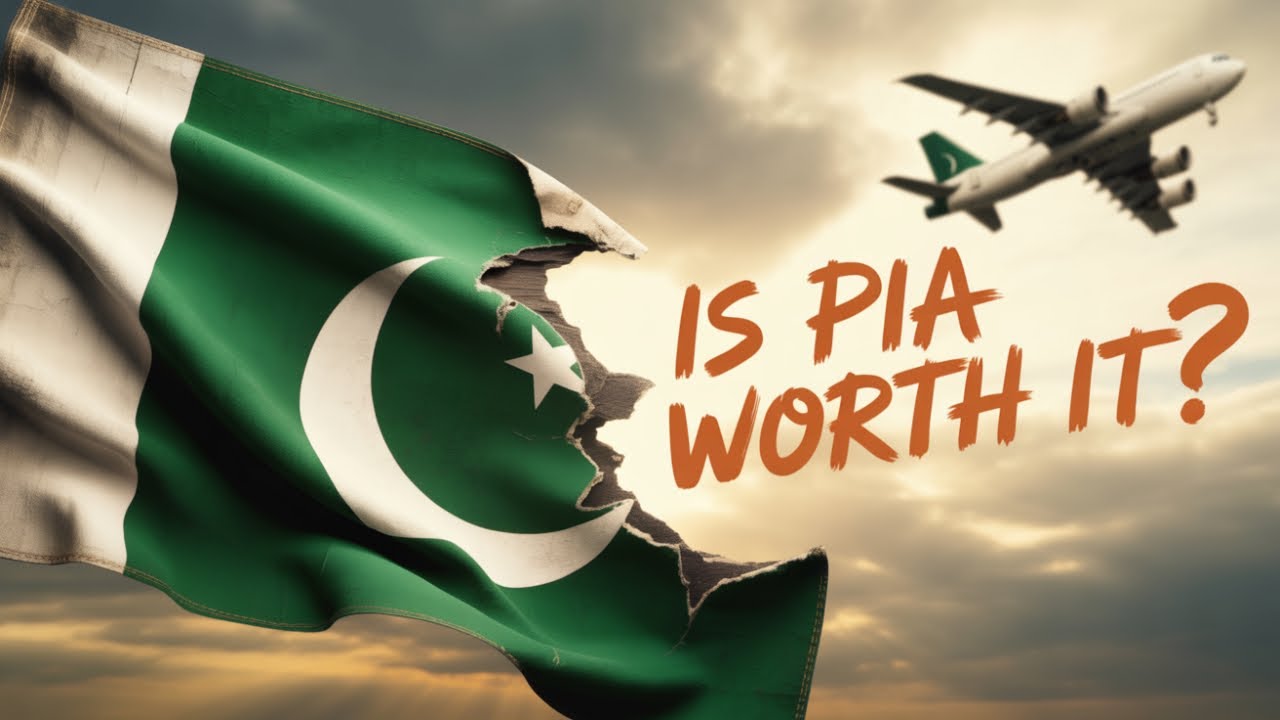
Khabar aap tak pohanch chuki hogi: Pakistan International Airlines (PIA) has officially been put on the block for 135 Billion PKR. On paper, this sounds like a massive business deal, but andar ki kahani kuch aur hi hai. Today, on It’s Decoded, we are going past the headlines to perform a complete post-mortem of this historic deal.
Bazahri yeh sirf ek khareed o farokht ka mamla lagta hai, lekin sawal yeh hai: Kyun bika? Why did a nuclear power sell its national asset for a price that many critics are calling "peanuts"? Was it a strategic masterstroke to save the economy, or was it a desperate sale to satisfy the IMF?
The Math Behind the Deal: 135 vs 654 Let's decode the numbers. The Arif Habib Group consortium offered 135 Billion, but the government had to absorb a massive 654 Billion PKR debt just to make this sale possible. Sochiye zara, hum ne 654 Arab ka qarz apne sar liya taake 135 Arab ki investment aa sakay. Mathematically, yeh loss nazar aata hai, but strategically, was this the only way out? Hum samjhenge us "Garage Car" analogy ko jo explain karti hai ke kyun kabhi kabhi cheezon ko bechna hi behtar hota hai, even at a loss.
From "Great People to Fly With" to "Great People to Avoid" There was a time in the 1960s when PIA was the first Asian airline to operate a jet engine. Hum ne Emirates ko udna sikhaya tha. But then, political interference (siyasi bhartiyan), unions, and lack of innovation grounded our Eagle. Aaj haal yeh hai ke out of 34 aircraft on paper, sirf 18 operational hain. The rest? They are just gathering dust in hangars. We dive deep into the history of PIA's rise and fall, contrasting it with the privatization success of British Airways under Margaret Thatcher and the tragic failure of Alitalia.
PIA vs. Air India: The Tata Effect Hamara parosi mulk, India, also faced a similar crisis with Air India. It was bleeding money until the Tata Group took over. Aaj Air India ne 470 naye jahaazon ka order diya hai. Can the Arif Habib Group replicate the "Tata Effect" in Pakistan? Can they turn this sinking ship into a profitable business through pure efficiency and removing the "sarkaari mindset"?
The Risks: Niji-kaari ka Khauf Privatization is not a magic wand (jaadu ki chhari). Jab private businessman control leta hai, toh maqsad "National Service" nahi, "Profit" ban jata hai.
Will ticket prices go up? (Kya ticket mehange honge?)
Will remote routes like Gwadar and Gilgit be cut? (Kya ghareeb ilaqon ki flights band hongi?)
What about the employees? The government promised job security for one year, lekin uske baad kya? Thousands of families are worried about their future.
In This Documentary: We analyze the technicalities of the deal, the consortium involved, the legacy of PIA, and the harsh reality of Pakistan’s aviation sector. This is not just a news report; this is a deep dive into the economics and emotions attached to the "National Flag Carrier."
Agar aap economics, business case studies, aur Pakistan ki geopolitical aur economic situation ko samajhna chahte hain, toh yeh video aap ke liye hai. Hum shor se door, khamoshi se haqeeqat ko decode karte hain.
Topics Covered:
Breakdown of the 135 Billion PKR Deal.
The "Garage Car" Analogy: Why sell at a loss?
History of PIA: 1960s Glory to 2024 Crisis.
Comparison with Air India and Tata Group.
The dangers of Privatization (Job losses, Route cuts).
Arif Habib Group's plan for the future (Fleet expansion to 65 jets).
Share your thoughts: Kya aap is faislay se ittefaq karte hain? Kya PIA ko private hathon mein dena sahi faisla tha, ya humein isay khud theek karna chahiye tha? Comments mein apni raaye zaroor dein.
Join the Discussion: Don't forget to LIKE, SHARE, and SUBSCRIBE to It’s Decoded. Click the Bell Icon 🔔 to never miss an update on Tech, History, and Socio-Political issues.
#PIA #PakistanInternationalAirlines #PIAPrivatization #PakistanEconomy #ArifHabibGroup #Aviation #AirIndia #Privatization #Documentary #ItsDecoded #UrduDocumentary #BusinessCaseStudy #ShehbazSharif #IMF #EconomicCrisis

Информация по комментариям в разработке