In 2016, Cambium Networks distinguished itself in the WISP market with its ePMP 1000 sector panel antenna documentation. The product release included polar plot antenna patterns with 45 dB of detail and measurements across five frequency points from 4.9 GHz to 6.0 GHz. This was engineering-level data that gave WISPs confidence in what they were buying. For operators, this kind of detail mattered because it allowed them to model coverage areas with accuracy, understand beam shaping and the impact of side lobes across the entire usable band, compare performance across manufacturers instead of relying on vague marketing claims, and predict interference behavior in crowded tower deployments. By publishing this level of information, Cambium empowered buyers to make data-driven purchasing decisions, ultimately strengthening trust in the brand.
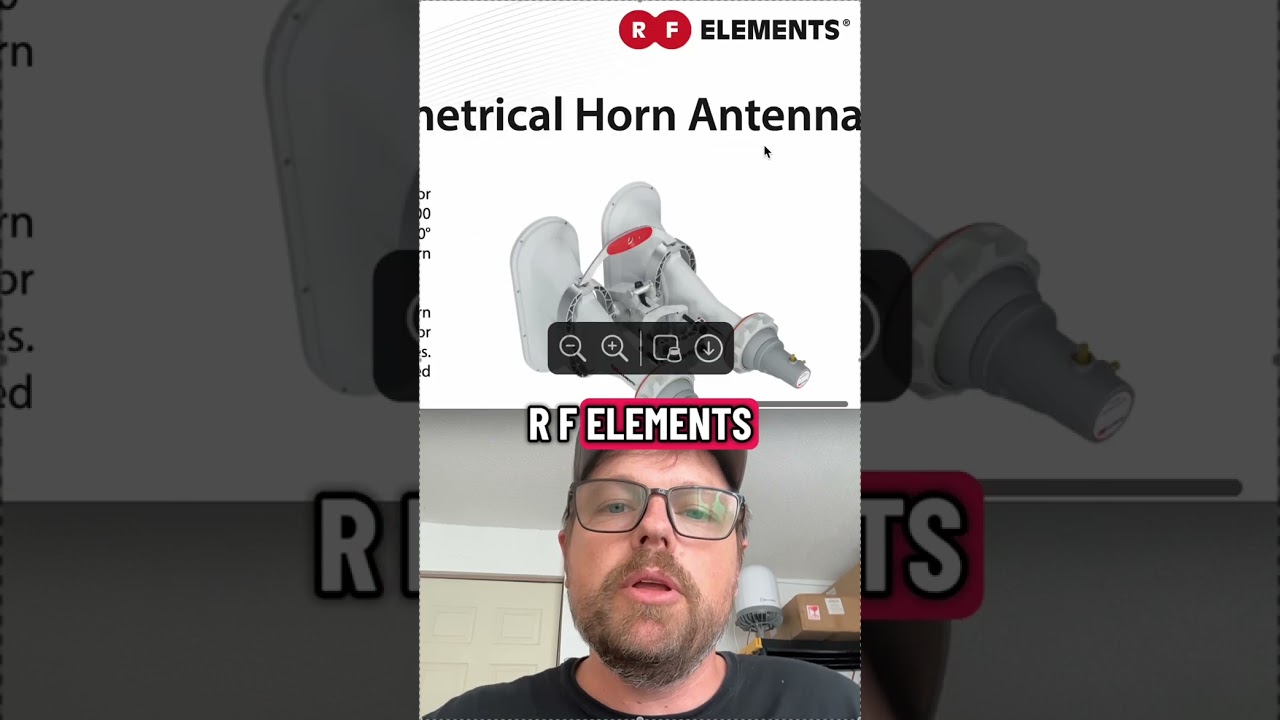
Fast forward to 2025, and Cambium’s documentation has changed dramatically. Instead of providing granular antenna plots, they now recommend RF Elements' low quality antennas with low-detail patterns that hide most of the useful engineering data. Critical information on side lobe behavior, off-axis rejection, and frequency-specific performance is missing. The reason seems clear: it is easier to adopt RF Elements’ marketing tactics than to keep educating customers. Educating requires effort and risks losing sales to vendors who market aggressively with self-serving inaccurate and oversimplified claims. Cambium appears to have concluded that marketing convenience outweighs technical transparency. This shift is a loss for the WISP community, since operators can no longer rely on Cambium documentation to fully understand how antennas will perform in the field.
RF Elements helped drive this change by reshaping the conversation in the WISP industry and attacking the concept of side lobes. Their pitch was simple but misleading: antennas with side lobes would cause interference and noise and therefore perform poorly on WISP networks. The truth is that all antennas have side lobes—it’s a basic fact of physics and RF design. What really matters is how those side lobes are managed, filtered, and balanced against gain, coverage, and cost. By oversimplifying this reality, RF Elements positioned themselves as offering “cleaner” antennas, while in practice delivering products that many WISPs find subpar. This strategy tricked operators into distrusting established designs, opening the door for RF Elements to sell more of their cheap, poorly engineered antennas.
By copying RF Elements’ approach, Cambium has contributed to an industry environment where technical documentation is watered down to the point of being useless, WISPs are forced to buy on marketing narratives rather than verifiable data, and performance expectations are distorted. Many operators are misled about what really affects signal quality, and the burden shifts to the WISP to figure out actual performance through trial and error instead of through education, understanding and planning. For smaller WISPs with tight budgets, this can mean wasted investments, poor coverage planning, and frustrated customers. This has greatly damaged the WISP industry.
Despite the marketing noise, real-world WISP reports consistently show that every other vendor's antennas outperform RF Elements. Most other antenna vendors , not just MikroTik accessory vendors that copied their way into the antenna business with gimmicks like handles and twisty adapters. Others vendors, offer antennas that align with real RF engineering principles, and deliver networks that scale better in multi-tower, interference-heavy environments. RF Elements, on the other hand, is often described by operators as making the worst antennas in the WISP industry—overhyped products that rely on clever marketing rather than solid performance.
What Cambium has done by dropping detailed antenna plots is more than just a change in documentation—it’s a signal of where the industry is heading. Technical transparency is being abandoned in favor of marketing narratives that prioritize sales over performance. This erosion of standards doesn’t just hurt WISPs—it hurts the entire ecosystem of rural and underserved broadband, where efficiency and reliability matter most. Without detailed antenna data, planning becomes guesswork, interference management becomes harder, and the end-user experience suffers.
#unlearningunlicensed #wisp #wispa #wispapalooza #rfelements

Информация по комментариям в разработке