Jaffa, located in modern-day Israel, has a long and rich history dating back thousands of years. It is one of the oldest port cities in the world and has been inhabited continuously for over 4,000 years.
Historically, Jaffa has been an important trading hub and gateway to the land of Israel. It is mentioned in ancient Egyptian texts as well as in the Bible, where it is referred to as Joppa. The city was conquered by various empires throughout its history, including the Egyptians, Philistines, Israelites, Assyrians, Babylonians, Persians, Greeks, Romans, and Byzantines.
During the Crusades, Jaffa was an important port for European Christian crusaders traveling to the Holy Land. The city changed hands several times between Christians and Muslims during this period. In the 16th century, Jaffa was captured by the Ottoman Empire, which ruled the region for several centuries.
In the 19th century, Jaffa experienced a period of growth and development under Ottoman rule. The city's port became a major hub for trade and immigration, particularly for Jews seeking to settle in the land of Israel.
After World War I, Jaffa came under British Mandate rule as part of Palestine. In 1948, during the Arab-Israeli War, Jaffa was captured by Israeli forces, leading to the displacement of much of its Arab population. Many Jewish immigrants settled in the city, which was later incorporated into the municipality of Tel Aviv-Jaffa.
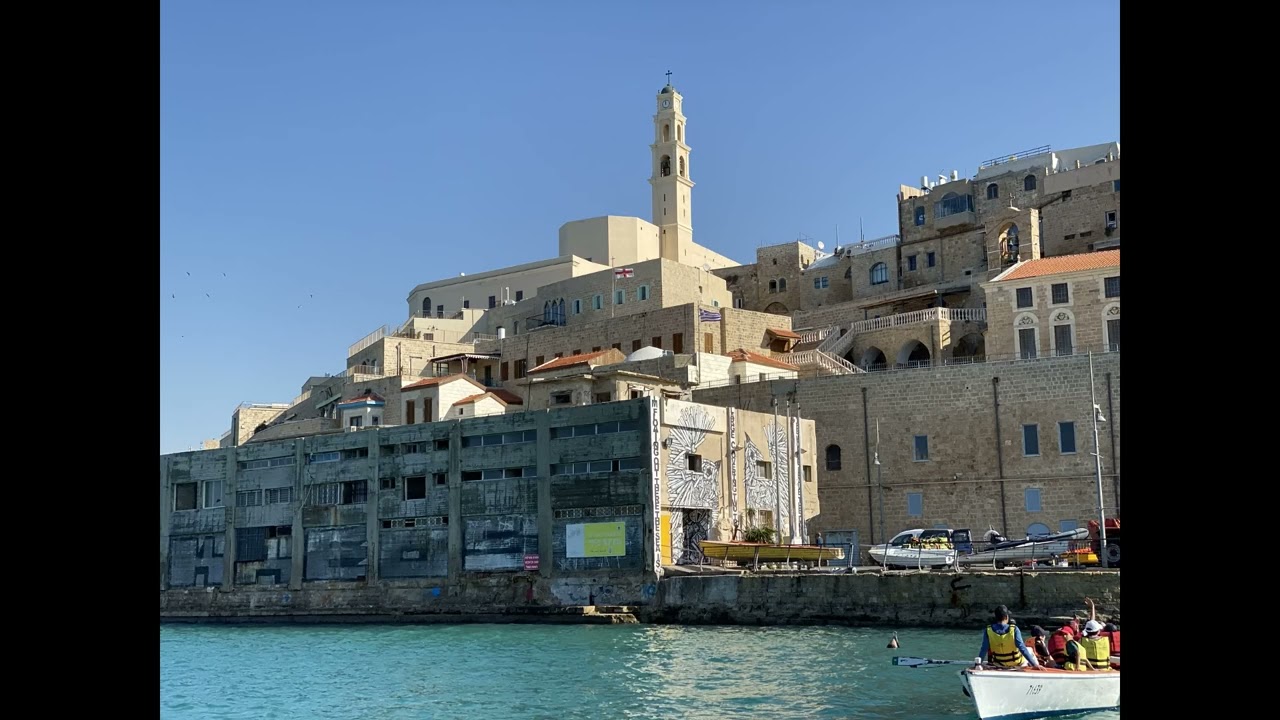
Today, Jaffa is a vibrant and diverse neighborhood within the modern city of Tel Aviv. It is known for its historic old town, with winding streets, ancient buildings, and picturesque views of the Mediterranean Sea. Jaffa's port is still in use today, and the area has become a popular tourist destination, known for its markets, galleries, and restaurants. The city's long and storied history is evident in its architecture, culture, and traditions, making it a fascinating place to visit and explore.

Информация по комментариям в разработке