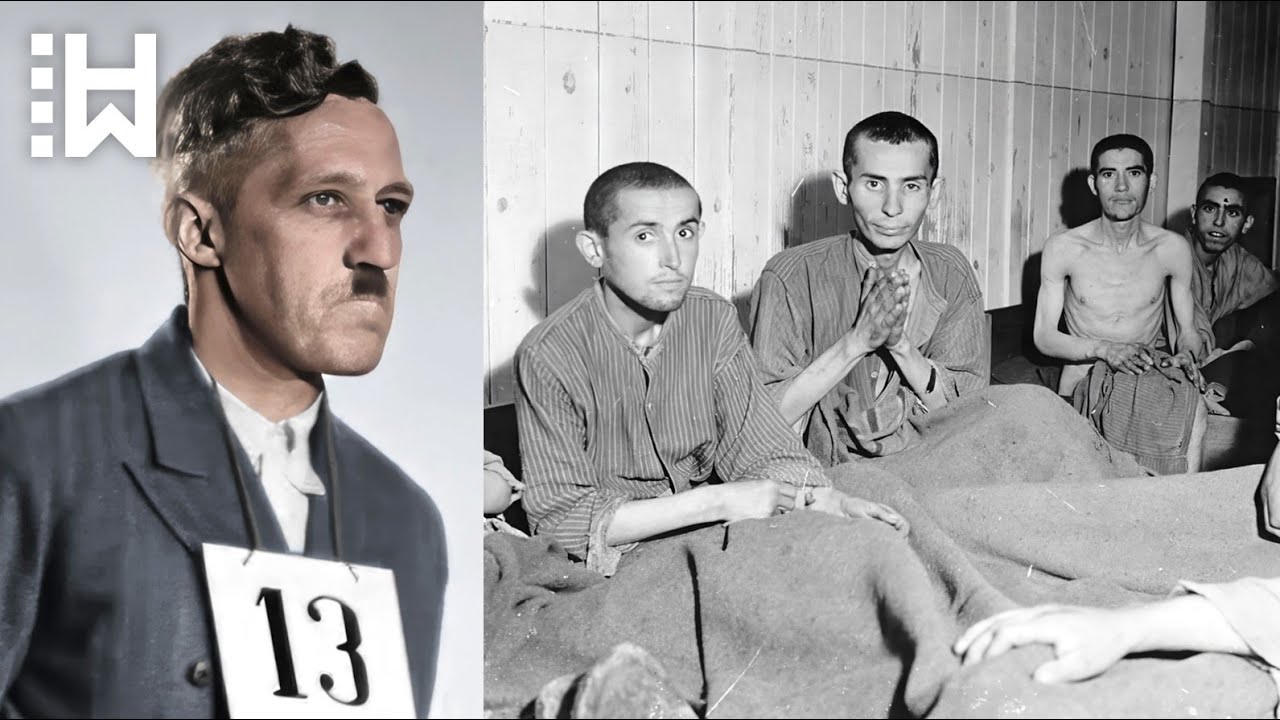
August Eigruber was one of the most powerful Austrian Nazis and a central figure behind the crimes committed at the Mauthausen concentration camp system during the Second World War. Born in 1907 in Steyr, Austria, Eigruber joined the Nazi movement early and became a devoted supporter of Adolf Hitler long before the Anschluss of Austria in 1938. After Austria was annexed into Nazi Germany, Eigruber was rewarded with immense power, becoming Gauleiter and Reich Governor of Reichsgau Oberdonau, placing him among the highest-ranking Nazi officials in Austria.
As regional leader, Eigruber bore direct responsibility for the establishment, expansion, and extreme brutality of Mauthausen, one of the deadliest concentration camps in the Nazi system. Unlike many camps primarily designed for imprisonment, Mauthausen was classified as a “Grade III” camp, intended for the complete physical destruction of its prisoners through forced labor, starvation, and systematic violence. Tens of thousands were worked to death in the granite quarries, while others were murdered through executions, gas killings, and medical neglect. Eigruber maintained close ties with the SS leadership and the camp commandant Franz Ziereis, personally intervening in camp affairs and approving executions. Under his authority, subcamps such as Gusen were developed, where conditions were even more lethal. He also played a role in the exploitation and concealment of looted Nazi art and valuables, including the storage of stolen treasures in the Altaussee salt mine. As the Third Reich collapsed, Eigruber attempted to evade responsibility, but he was arrested by U.S. forces after the war. In 1946, he was tried during the Dachau Mauthausen Trials, where overwhelming evidence demonstrated his direct responsibility for war crimes and crimes against humanity. Found guilty, August Eigruber was sentenced to death and executed by hanging on May 13, 1946. His case stands as a stark example of how political power, ideology, and personal ambition enabled mass murder. Eigruber was not merely a bureaucrat, but an active participant in one of the most brutal chapters of the Holocaust—leaving behind a legacy defined by terror, suffering, and industrialized death.
Disclaimer: All opinions and comments below are from members of the public and do not reflect the views of World History channel.
We do not accept promoting violence or hatred against individuals or groups based on attributes such as: race, nationality, religion, sex, gender, sexual orientation. World History has right to review the comments and delete them if they are deemed inappropriate.
► CLICK the SUBSCRIBE button for more interesting clips: / @worldhistoryvideos
#AugustEigruber #worldwar2videos #secondworldwar #wwii #europe #holocaustdocumentary #history #holocaust #holocausteducation #holocausteducation #mauthausen #anschluss #chancellor #warcrimes #warcriminal #concentrationcamps #thirdreich #austrianhistory #prisonersofwar #warcrimestribunal
August Eigruber biography, Nazi Germany, Nazi war crimes, WW2 war crimes, War trials, Nazi criminals, War criminals, War criminals WW2, German war crimes, Austrian criminal, Nazi gold, Nazi plunder, Nazi art, Nazi stolen art, Nazi looted art, Nazi Germany art, Art during WW2, Austria in WW2, Austria during WW2, Vienna WW2, Austria during WW2, Vienna World War 2, Austrian Nazis, Austria WW2, Austrian Jews, Austria Holocaust, Annexation of Austria, Anschluss of Austria, Mauthausen concentration camp, German SS, Nazi SS, SS men, SS troops, SS guards, August Eigruber and Franz Ziereis, Gusen concentration camp, Altaussee salt mine art, Mauthausen quarry, Dachau trial, Nazi war criminals executed, Nazi criminals, Nazis hanged, WW2 executions, War criminal hanging, Concentration camps in Austria,

Информация по комментариям в разработке