The 'Nam Doc Mai' mango (also spelled 'Nam Dok Mai') is a highly celebrated cultivar originating from Thailand, where it is considered the most popular mango variety. Its name literally translates to "Sweet Juice of a Flower," which perfectly encapsulates its exquisite qualities.
Here's a breakdown of what makes Nam Doc Mai so special:
1. Origin and Popularity:
Origin: Thailand.
Dominance in Thailand: It's the most popular mango variety in Thailand and a staple in Thai cuisine and desserts.
Commercial Growth: While primarily associated with Thailand, it's also grown commercially in other regions like Australia and Colombia.
2. Appearance:
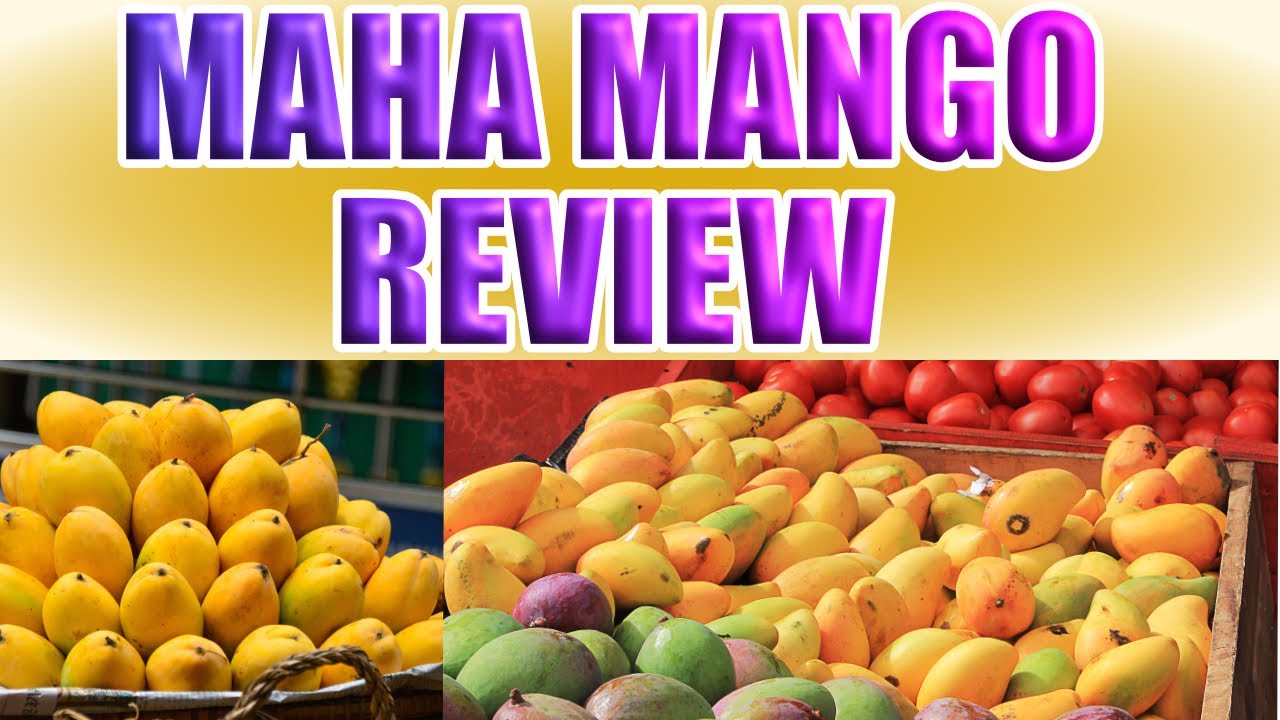
Shape: Elongated, slender, and often with a prominent beak. It can sometimes have a slightly "S" (sigmoid) shape.
Skin Color: Transitions from pale green to a beautiful golden-yellow when ripe. Some fruits may exhibit a slight reddish blush on the sun-exposed shoulder and often have small green dots.
Size: Medium to large, typically weighing between 250-580 grams.
3. Flavor Profile & Texture:
Sweetness: Intensely sweet, often described as having a honey-like sweetness.
Aroma: Strong, pleasant, and distinctly floral, sometimes compared to the fragrance of daffodils. It can also have hints of vanilla due to natural vanillic acid.
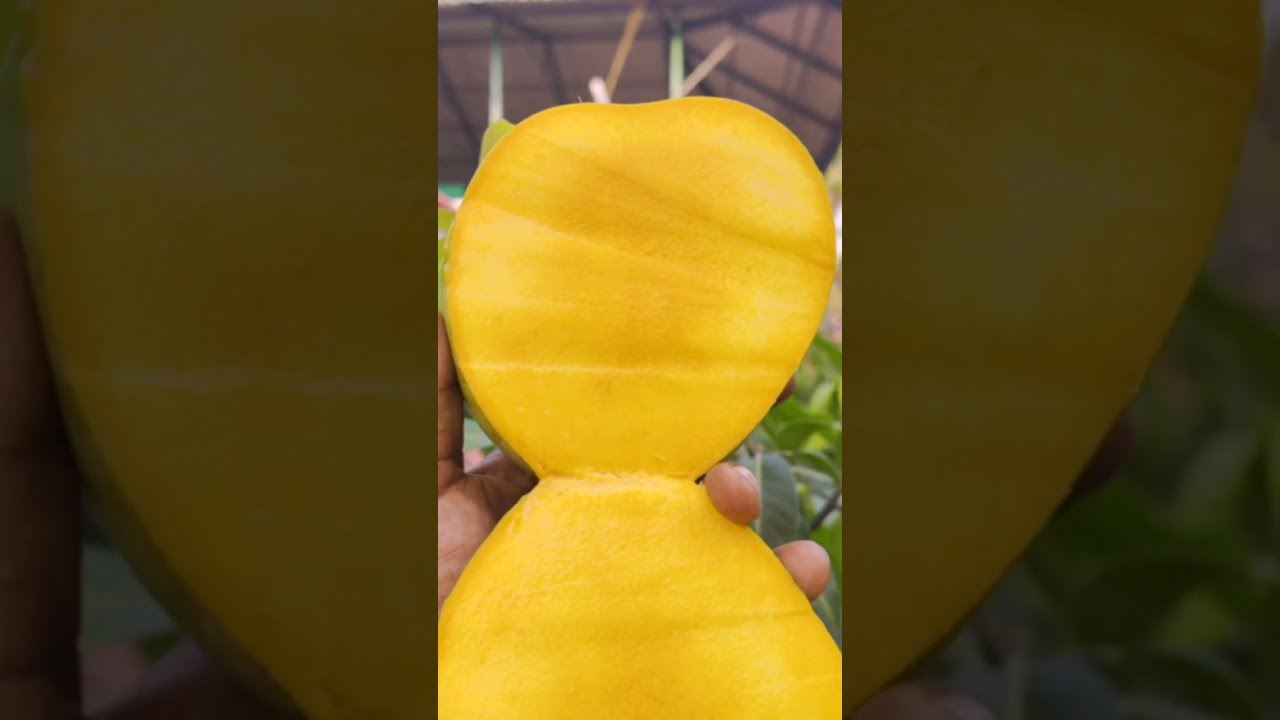
Texture: Exceptionally smooth, creamy, and virtually fiberless. This is a key distinguishing characteristic that makes it "melt in your mouth."
Acidity: Very low acidity, contributing to its pure sweet taste.
Stone: The seed is typically thin, meaning more edible pulp per fruit.
4. Culinary Uses:
Fresh Consumption: Due to its superior flavor and fiberless texture, it's widely regarded as one of the best dessert mangoes for eating fresh, often sliced and enjoyed on its own.
Thai Desserts: It is the quintessential mango for classic Thai desserts, most notably Mango Sticky Rice (Khao Niao Mamuang), where its sweetness and smooth texture perfectly complement the sticky rice and coconut milk.
Beverages: Excellent for juices, smoothies, and shakes due to its high juice content and lack of fiber.
Salads: Can be used when green and crunchy for savory salads, pickles, and slaws, offering a tart contrast.
Other Dishes: Also used in preserves, chutneys, and even some savory applications in Thai cuisine.
5. Tree Characteristics:
Size: Moderately vigorous trees with an upright canopy. They can reach significant heights in open ground but can also be kept more compact in containers, making them suitable for home gardens.
Productivity: Can produce multiple crops in a year, especially in optimal conditions.
Season: Typically ripens from June to July in many growing regions, offering a prolonged harvest.
6. Health Benefits:
Like other mango varieties, Nam Doc Mai is rich in:
Vitamins: High in Vitamin A and Vitamin C, contributing to immune health, vision, and skin health.
Antioxidants: Contains beneficial phytochemicals and polyphenols.
Dietary Fiber: Although the flesh is fiberless, the fruit itself provides dietary fiber for digestive health.
Minerals: A good source of potassium and magnesium.
In essence, the 'Nam Doc Mai' mango is celebrated for its exquisite flavor, luxurious texture, and versatility, making it a favorite among mango enthusiasts and a star in the culinary world, especially within Thai cuisine.












Информация по комментариям в разработке