Virgil's poem prophecy. The Age of the Roman Lord and Savior child sent from Heaven.
Roman Imperial Theology and Roman Christianity
Virgil’s Eclogues, a collection of pastoral poems composed between 42 and 37 bce.
He writes a praise prophecy poem
to a Roman savior child ushering in
a glorious age of peace and prosperity.
A child sent from Heaven and will become among the Gods and Heroes.
Virgil, Eclogue 4
"The ultimate age of Cumae's song is now come!
The great order is born anew from the line of the ages.
The Virgin has now returned; Saturn's reign has returned;
Now a new offspring is sent from Heaven on High.
You alone grant favor at the birth of the boy by whom the iron age
Shall cease and a golden people shall rise up on the world,
Only you, chaste Lucina, now your own Apollo reigns.
In your consulate, Pollio, yours, this glorious fulfillment of the age
Will begin, and the great months begin to process.
During your office, if any vestiges of our wickedness should remain,
Once erased, they shall release the earth from perpetual dread.
He shall have the life of a God and shall see heroes and Gods together,
And he shall be seen as one of them,
And he shall rule a world made peaceful by his father's valors.
To you child the earth shall pour out,
The lotus mixed with smiling acanthus.
Their udders swollen with milk, the goats will come home
uncalled; the herds will not fear the great lions;
Your cradle itself will pour forth flowers to charm you.
The serpent will perish also, and the poisonous, deceiving herb will perish.
Assyrian amomum will spring up everywhere.
Yet, as soon as you are able to read the praises of heroes and the deeds
of your fathers, and to know what is virtue,
slowly the prairie will turn yellow with grain,
The grape will hang reddening from the wild bramble bushes, And
the hard oaks will exude dewy honey.
"Rush on, such ages."
(Notes on Virgil's Roman prophecy of a child savior from Heaven.)
Regarding Lucina. Lucina was a Roman goddess associated with birth,
She was seen as the goddess who ushered newborns into the light of the world, guiding the process of childbirth.
Her name, "Lucina," is derived from the Latin word "lux," meaning light,
reflecting her role as the bringer of newborns into the light of the world.
A Savior God has been born. Savior of the world.
Glory From the Highest Heaven. Peace on Earth.
The Gospel of Luke.
While they were there, the time came for the baby to be born.
And she (The Virgin) brought forth her firstborn son,
And there were in the same country shepherds abiding in the field, keeping watch over their flock by night.
For unto you is born this day in the city of David a Savior, which is Christ the Lord.
And this shall be a sign unto you; Ye shall find the babe wrapped in swaddling clothes, lying in a manger.
And suddenly there was with the angel a multitude of the heavenly host praising God, and saying,
Glory to God in the highest, and on earth peace, good will toward men.
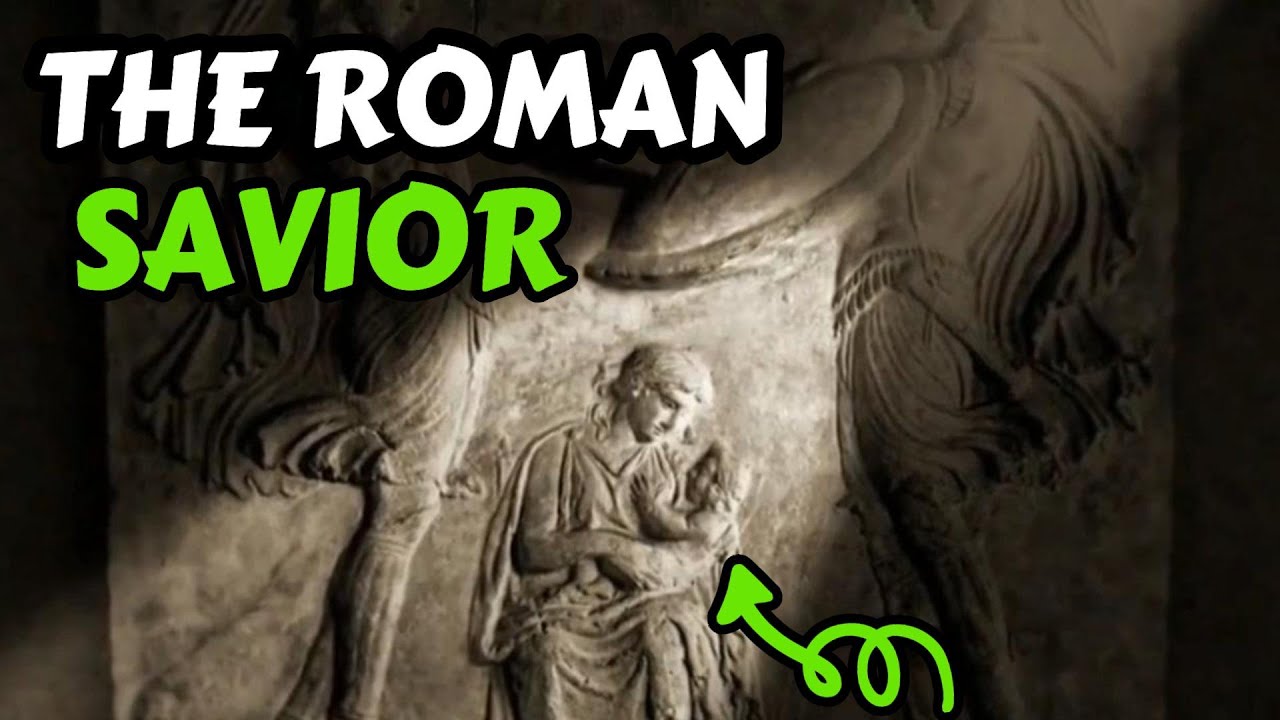
Eirene, the Ancient Greek and Roman Goddess of Peace.
Eirene (Peace) Bearing Plutus (Wealth), a grouping recalled in Praxiteles’ more-famous Hermes Carrying the Infant Dionysus.
The goddess Eirene symbolized peace in the ancient Greek world.
Worshiped as Pax by the Romans, her depictions often showed the fruitfulness and plenty that are the result of peace.
Eirene, was the daughter of Zeus, the father of all the gods on Mt. Olympus,
and Themis, the personification of justice and good counsel. Eirene was depicted in art as a beautiful young woman.
Augustus commissioned an altar of peace in her honor on the on the Campus Martius called Ara Pacis; later, the emperor Vespasian built a temple dedicated to her on called the Templum Pacis.
The Pax Romana.
Worship of Pax peaked during Augustus Caesar’s reign and the early empire. Pax also appeared on the coinage of the time, with Augustus on the other side. Augustus often used religious events and expressions to enforce his political messages.
Worship of Pax continued with Emperor Vespasian, who established the Flavian dynasty and ended the civil war and instability of the “Year of the Four Emperors.” Vespasian constructed the Templum Pacis in AD 75 in her honor.
Regarding Roman Politics and Religion during the age of Augustus to Vespasian.
The Gospel writers are taking aim at Roman Imperial Rule and the Jewish Messianic Resistance at the same time. They are subverting the
two dominant forces in the clash that was going on in the 1st and early second century by using the language of both movements and creating an inverse theology and subverting their ideologies. They are seeking converts from the Roman empire. Soldiers, centurions, tax collectors, gentile women. The audience target that would undermine the power bases if they were converted. Over time with the defeat of the Jewish revolts and Jewish messianism this would impact the fate of Christianity and its complete Roman conversion.

Информация по комментариям в разработке