This abridged version of “Escape from the Warsaw Ghetto” by Judy Batalion, has been provided by and also appears in American Heritage magazine (June 2021, edition) https://www.americanheritage.com/esca....
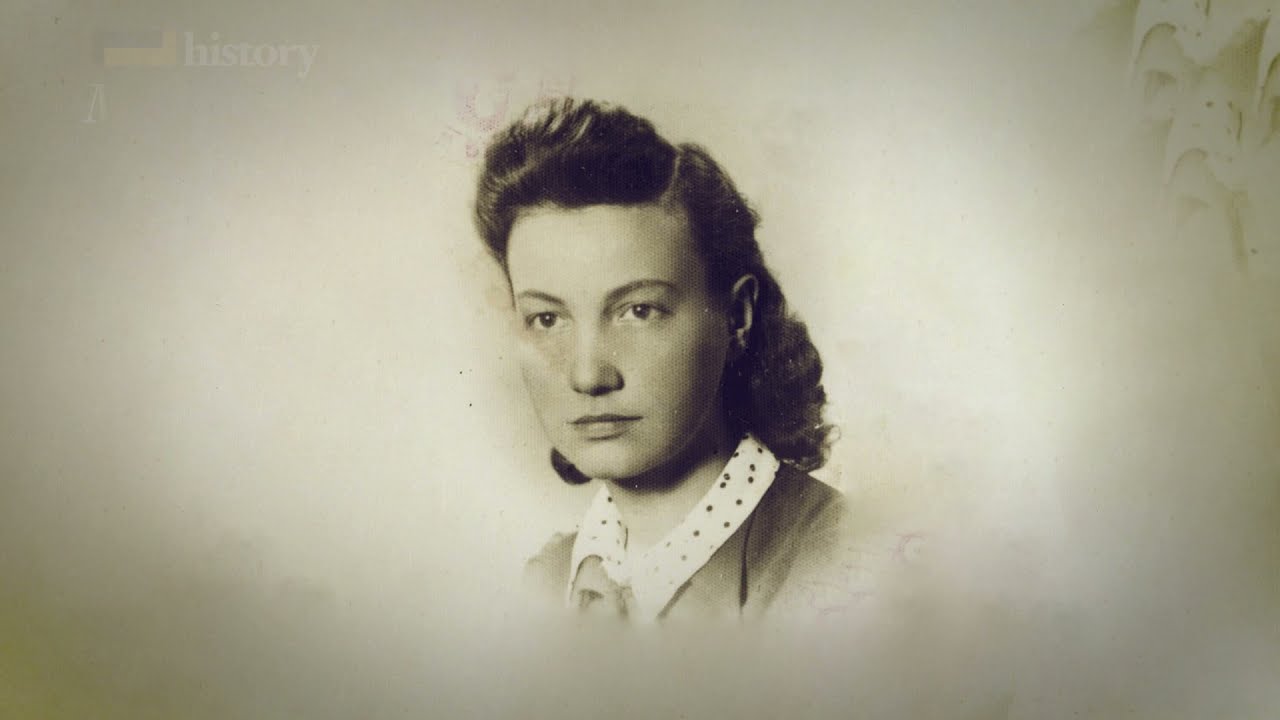
"It would be a grotesque understatement to say the clock was ticking down for Vladka Meed (nee Feigele Peltel), a twenty-one-year-old Jewish woman in the Warsaw ghetto. It was the summer of 1942 and the main Aktion, a Nazi euphemism for the mass deportation and murder of Jews, had begun. It started on “Bloody Sabbath” in April, when SS units invaded the Warsaw ghetto at night and, following pre-prepared lists of names, gathered and then murdered the intelligentsia.
From that moment on, the entire ghetto became a killing field and terror reigned. In June a friend of Vladka’s arrived with news about the existence of Sobibor, yet another death camp, 150 miles to the east. There were rumors of impending doom, stories of roundups, constant shootings. As a member of the Bund, a Jewish socialist party in Poland, Vladka helped print an underground newspaper and disseminate information.
A little boy, a smuggler, told them that the other side of the wall surrounding the ghetto was lined with German and Ukrainian soldiers. Jews were overwhelmed by fear and confusion.
And then the poster appeared.
The Jews crowded into the otherwise deserted streets to read for themselves: anyone who did not work for the Germans would be deported. Vladka spent days scurrying around the ghetto, frantic, looking for work papers, for “life papers” for her and her family. Hundreds of anguished Jews cued up in the scorching heat, pushing, waiting in front of factories and workshops, desperate for any job, any papers. Wagons filled with weeping children taken from their parents passed by.
“Fear of what awaited us dulled our ability to think about anything except saving ourselves,” Vladka later wrote. From the Nazis' first Aktion on Bloody Sabbath in April 1942, the entire Warsaw ghetto became a killing field and terror reigned.
Sensing the futility of standing in endless lines, Vladka was elated to receive a message from an underground friend. She was to appear with photos of herself and her family, and would receive work cards. She ran to the address. Inside, thick cigarette smoke and pandemonium. Vladka spotted Bund leaders, and heard about how they’d obtained false work cards and were trying to set up new workshops — all to help save youth. But the leaders felt that hiding was still the best bet, even though being found by the Nazis meant certain death.
And then, panic: the building was surrounded. Vladka ran to grab the falsified work papers and managed to stick with a group who bribed a guard — a common sight as more and more Jews were snatched, and were always resisting in whatever ways they could, Vladka noticed. The deportations went on and on. People waited in terror for their street to be blockaded; then many tried to go into hiding, crawling onto rooftops or locking themselves in cellars and attics.
Editor’s Note: William Morrow published Judy Batalion’s extraordinary new book, The Light of Days: The Untold Story of Women Resistance Fighters in Hitler’s Ghettos, which has been on the New York Times and other bestseller lists. We are delighted that Dr. Batalion agreed to adapt portions of the book into an essay about Vladka Meed, one of the dozen female resistance fighters profiled in the book, who survived the struggle against the Nazis to emigrate to the U.S. in 1946. Publishers Weekly praised the book, saying it “pays vivid tribute to ‘the breadth and scope of female courage.’”
#WarsawGhetto #WomanResistanceFightersWW11

Информация по комментариям в разработке