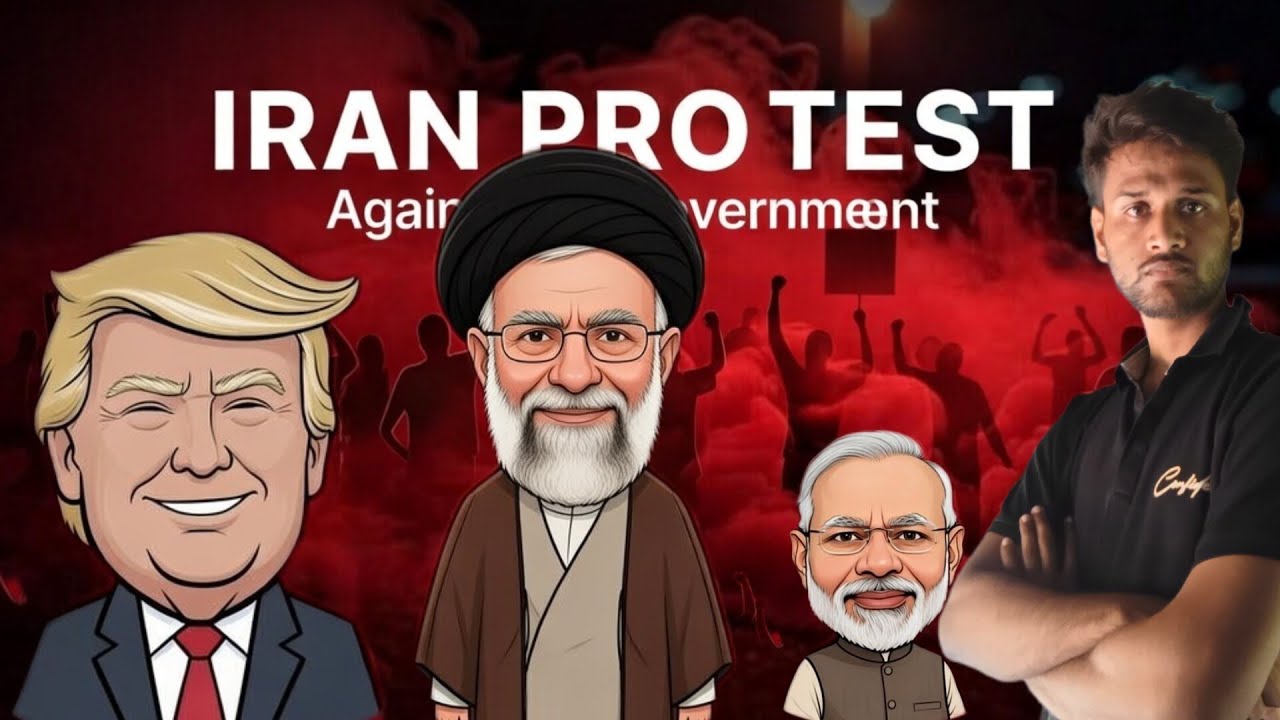
Why the Recent Iran Protests Failed to Overthrow the Government
The 2025-2026 protests in Iran, sparked by economic collapse including the rial's freefall, rampant inflation, and widespread unemployment, quickly evolved into nationwide anti-regime demonstrations challenging the Islamic Republic's authority. These were described as the most significant threat since the 1979 revolution, spreading to over 180 cities and involving diverse groups from bazaar merchants to students.However, despite initial momentum and estimates of thousands killed (ranging from 648 to over 5,000 in various reports), the protests largely subsided by early 2026 due to a combination of factors:
Brutal State Repression: The Iranian government imposed a nationwide internet blackout, enabling unchecked violence by security forces, including the Islamic Revolutionary Guard Corps. Witnesses reported indiscriminate gunfire, tear gas, and close-range shootings, leading to mass casualties and arrests. This crackdown, ordered from the top including Supreme Leader Ali Khamenei, effectively smothered coordination and visibility of the protests.Human rights groups documented at least 2,637 deaths, with the blackout concealing the full extent.
Regime's Structural Resilience: The Islamic Republic is designed to endure unrest through a network of loyal security apparatus and ideological control. Despite economic mismanagement and corruption exacerbating grievances, the regime's core remained unified, with no significant elite defections or military disloyalty. Protests failed to fracture this structure, as cycles of unrest have historically been contained without leading to rupture.
Lack of Unified Opposition and Leadership: While widespread, the protests lacked a cohesive leadership or armed component, remaining largely peaceful. Demands ranged from economic reforms to regime change (including calls for monarchy restoration), but infighting among opposition groups and failure to channel dissent into a structured movement prevented escalation. Historical reform efforts had eroded trust,ving no viable internal path for change.
Economic Roots Without Broader Leverage: Rooted in systemic failures like sanctions, corruption, and mismanagement, the protests highlighted regime vulnerabilities but didn't capitalize on them for revolutionary change. External threats, such as U.S. warnings of intervention, may have rallied regime hardliners and justified further repression without providing protesters meaningful support.
By spring 2026, the movement had been largely suppressed, though underlying issues persist, potentially setting the stage for future unrest.
#iran#trump#protest
This video is made solely with the purpose of spreading awareness and educating the viewers. The information demonstrated and explained in the video are true to the best of the our team’s knowledge and research. Nevertheless, if any error is committed, the same was never intended to be and is absolutely unintentional. In the event of any inadvertent error, kindly email us at contact@[email protected] (mail subject : FEEDBACK) for necessary action, to resolve any error/dispute amicably.
MY VIDEO TOPICS:
🗺 Geopolitics: • Geopolitics
📘 History: • History Education
🔬 Science: • Science
☠️ Mystery: • Mystery Videos
💰Finance: • Financial Education
🇮🇳 Indian Current Affairs: • Current Affairs (India)
🌍 International Current Affairs: • Current Affairs (World)

Информация по комментариям в разработке