Agra, located on the banks of the River Yamuna in Uttar Pradesh, India, is renowned for its rich history and iconic landmarks like the Taj Mahal. This vibrant city offers a tapestry of Mughal architecture, cultural traditions, and culinary delights, making it a must-visit destination.
Historical Significance:
Agra's History: Founded in 1504 by Sultan Sikandar Lodī, Agra gained prominence under Mughal Emperor Akbar in the 16th century. The city boasts numerous forts, palaces, and mausoleums from the Mughal era, including the UNESCO World Heritage Site, Agra Fort.
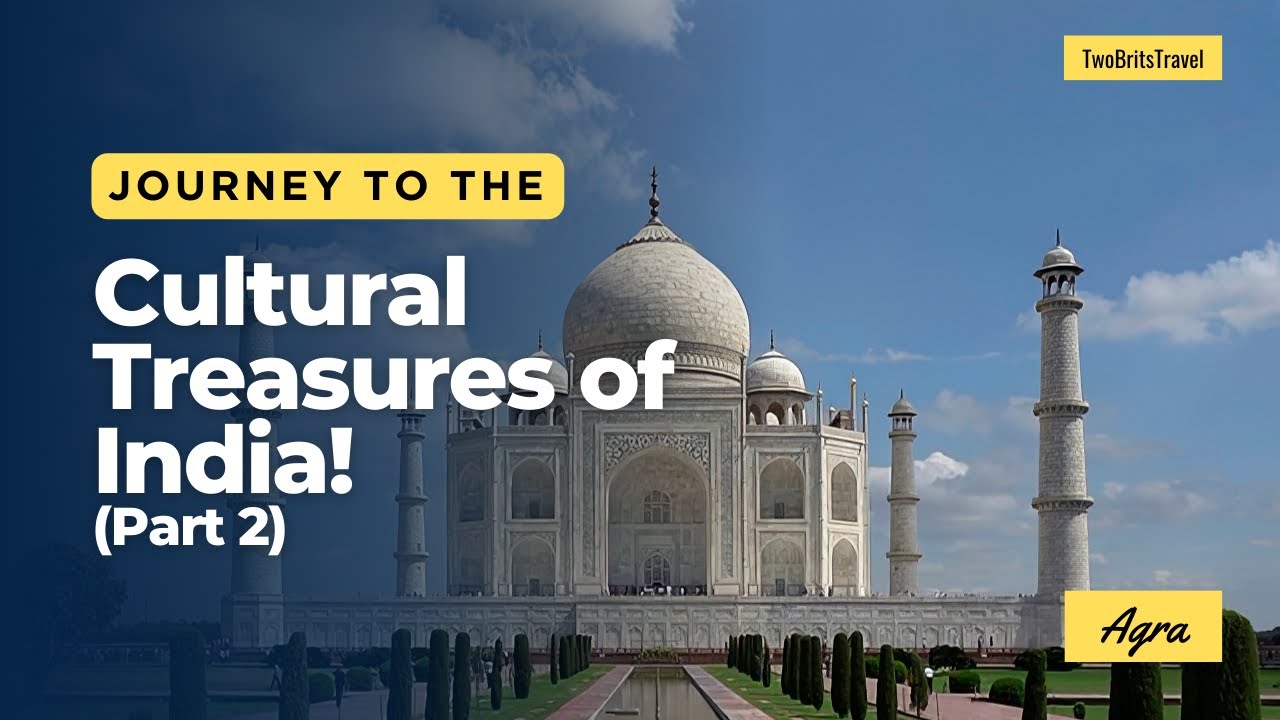
Taj Mahal: The epitome of love, the Taj Mahal was built by Emperor Shah Jahan in memory of his wife Mumtaz Mahal. This white marble mausoleum is a masterpiece of Mughal craftsmanship and Indian art, best visited at dawn for its mesmerizing golden hues.
Agra Fort: Near the Taj Mahal, this fort was initially a military structure by Akbar and later transformed into a palace by Shah Jahan. Its architecture blends Hindu and Islamic styles, offering breathtaking views of the Taj Mahal from its pavilions.
Fatehpur Sikri: Located 40 km from Agra, this red sandstone city was the Mughal capital under Akbar for 14 years. It's now a preserved ghost town with notable monuments like the Panch Mahal and Buland Darwaza.
Additional Attractions:
Itmad-ud-Daulah’s Tomb: Known as the "Baby Taj," this mausoleum predates the Taj Mahal and features intricate pietra dura (marble inlay) work.
Mehtab Bagh: Across the Yamuna River from the Taj Mahal, this 11-acre garden offers a serene spot to view the mausoleum, especially at sunset.
Cultural Experience:
Agra offers more than monuments. Traditional dance and music performances, especially at cultural events, showcase the region's performing arts heritage. Visitors can also explore marble workshops to witness the ancient craft of marble inlay.
Accommodation:
Agra provides a range of accommodations from luxury hotels with Taj Mahal views to budget-friendly options. Many hotels reflect the city's architectural heritage, offering a taste of royal Mughal life.
Transportation:
Getting around Agra is easy with options like private taxis, auto-rickshaws, battery-operated buses, and horse-drawn carriages. The city is well-connected by rail and road to major cities like Delhi and Jaipur.
Community and Sustainability:
With its heavy tourist influx, Agra is focusing on sustainability by preserving historical sites and promoting eco-friendly transportation. Tourists are encouraged to support local artisans and businesses.
Local Cuisine and Shopping:
Agra's culinary scene is dominated by Mughlai cuisine. Must-try treats include Petha and spicy kebabs. For shopping, Agra is famous for marble handicrafts and leather goods, with popular markets like Sadar Bazaar and Kinari Bazaar offering a variety of souvenirs.
Practical Tips:
Visit Agra during the cooler months from November to March. Summers are extremely hot. English is widely understood, but arranging transportation in advance and staying vigilant about personal belongings is advisable.
Conclusion:
A visit to Agra is a journey through a richly historic landscape. While the Taj Mahal remains the crown jewel, exploring other cultural and historical sites offers a deeper understanding of India's heritage. Agra promises an unforgettable experience with its blend of history, architecture, and vibrant traditions.
HashTags:
#tajmahal #AgraFort #FatehpurSikri #ItmadudDaulah #MehtabBagh #MughalArchitecture #PethaSweet #MarbleHandicrafts #MughlaiCuisine #BulandDarwaza #KinariBazaar #SadarBazaar #YamunaRiver #EcoFriendlyTravel #CulturalPerformances #MarbleInlayWork #HistoricalTours #SunsetViews #LocalCrafts #RickshawRides #TBT #TwoBritsTravel

Информация по комментариям в разработке