The French Revolution was a transformative and violent period in human history, driven by a combination of social inequality, economic crisis, and new philosophical ideas (0:05-0:14).
Here's a summary of the video's key points:
The Catalyst (0:22-1:09): The revolution ignited on July 14, 1789, with the storming of the Bastille, a symbol of the king's oppressive power. This event sent shockwaves across Europe.
The Old Regime (1:12-2:28): French society was rigidly divided into three estates: the clergy, the nobility, and the Third Estate, which comprised 97% of the population. Crucially, the Third Estate bore almost the entire tax burden, while the privileged first two estates paid virtually nothing.
A Perfect Storm (2:31-3:02): By the late 1780s, France faced a severe crisis: government bankruptcy from expensive wars (including funding the American Revolution), widespread food shortages, and soaring bread prices, leaving millions starving.
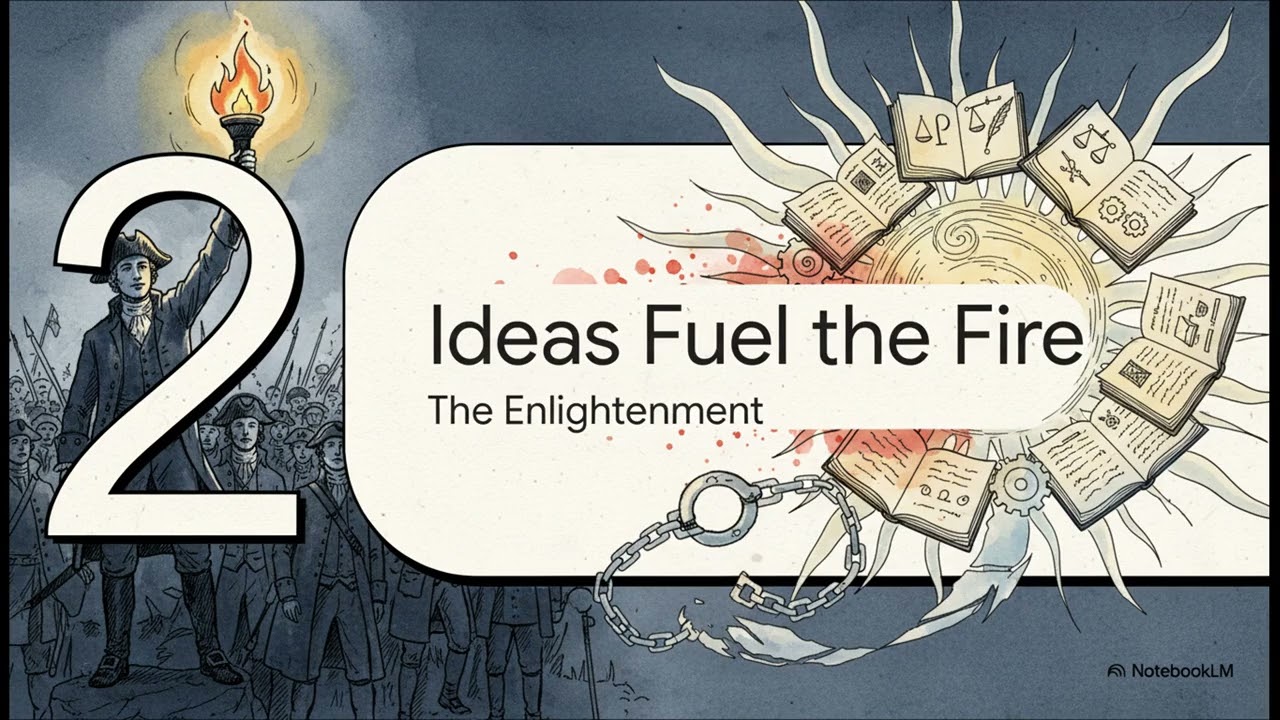
Enlightenment and Revolution (3:03-4:03): The Enlightenment brought new ideas from thinkers like John Locke and Rousseau, questioning divine right and promoting popular sovereignty. The successful American Revolution served as a living example that a king could be overthrown and a new nation built on radical ideas.
Rapid Change and Violence (4:05-5:34): The revolution rapidly escalated. In 1789, the Third Estate declared itself the National Assembly with the Tennis Court Oath (4:56), vowing to write a new constitution. By 1792, the monarchy was abolished, and in January 1793, King Louis XVI was executed by guillotine.
The Reign of Terror (5:48-6:17): With France at war and internal divisions, Maximilien Robespierre led the Reign of Terror, a nationwide purge justified as "swift, severe justice" to protect the revolution. Thousands were executed before Robespierre himself met the same fate.
Legacy and Paradox (6:48-8:40): The revolution led to the rise of Napoleon Bonaparte. Its legacy is complex: it gave the world ideals of liberty, equality, and fraternity as expressed in the Declaration of the Rights of Man, inspiring future revolutions globally. However, these ideals were often contradicted by brutal violence and hypocrisy, like the execution of Olympe de Gouges for advocating women's rights. The central paradox remains: the birth of modern democracy came at the cost of immense bloodshed.

Информация по комментариям в разработке