UPSC 2026 | History Marathon|ARTeach|Complete NCERTs 6-12 Classes| ARTeach Current Affairs | Part -37
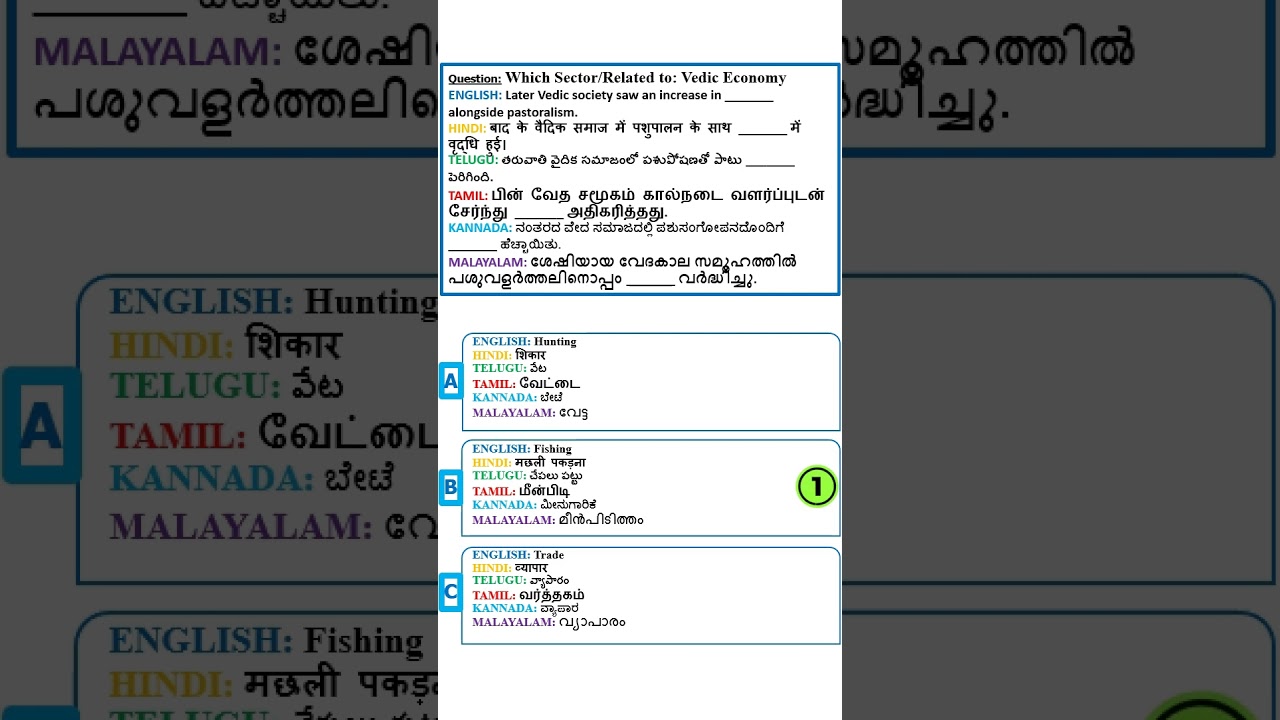
This video presents an in-depth MCQ-based revision of Ancient Indian History, focusing on two of the most important chapters taught in NCERT Class 6 to Class 10 History — the Harappan (Indus Valley) Civilization and the Vedic Period. These carefully structured multiple-choice questions are ideal for school exams, competitive exams, and quick revision sessions. The first section of the video covers Harappan Civilization, highlighting crucial aspects such as Harappan technology, standardized weights and measures, tools, water management systems, reservoirs, wells, seals, script, artifacts, and international trade links with Mesopotamia. Students will clearly understand how the Harappans used stone tools, developed advanced urban planning, practiced efficient water storage, and created iconic artifacts like the famous Dancing Girl bronze statue. Important factual clarity is also provided through True/False questions, such as the undeciphered Harappan script and evidence of long-distance trade. The second and extended portion focuses on the Vedic Period, divided into multiple MCQ sets to ensure concept clarity. Topics include Vedic society, varna system, economy, religion, and major Vedic texts. Students will revise key concepts such as the four varnas (Brahmins, Kshatriyas, Vaishyas, Shudras), the pastoral nature of early Vedic economy, and the gradual rise of agriculture and trade in the Later Vedic period. The role of iron tools, changing settlement patterns, and social organization are explained through well-framed questions. Special attention is given to Vedic religion, including gods like Agni (fire god), Indra (rain and war deity), and Varuna (cosmic order and water god). Important religious practices such as Yajnas (sacrificial rituals) are highlighted to help learners understand the spiritual foundation of Vedic life. The video also covers Vedic literature, including the Rigveda, Samaveda, Yajurveda, Atharvaveda, and philosophical texts like the Upanishads, explained through exam-oriented questions. This video is multilingual, featuring questions and options in English, Hindi, Telugu, Tamil, Kannada, and Malayalam, making it extremely useful for students across India. Teachers can use this content for classroom teaching, online classes, quizzes, and test preparation, while students can use it for revision before exams. Whether you are preparing for CBSE, ICSE, State Boards, Olympiads, NTSE, or competitive exams, this MCQ-based history video will strengthen your conceptual understanding and boost your confidence. The content strictly follows NCERT syllabus, making it reliable and exam-oriented.By practicing these questions, students can easily differentiate between Early Vedic and Later Vedic periods, understand the evolution of social and economic life, and gain clarity on religious beliefs, rituals, and literary traditions of ancient India. The Harappan section strengthens understanding of urban planning, craftsmanship, technological advancement, and administrative efficiency of one of the world’s earliest civilizations. Consistent practice with such MCQs improves conceptual clarity, boosts confidence, and reduces exam stress. This content also encourages analytical thinking, helping learners connect historical facts with broader developments in Indian civilization.Stay connected to the channel for regular history MCQs, chapter-wise revisions, board-exam focused questions, and concept explanation videos covering the full NCERT syllabus from Class 6 to 12Class
Key MCQ Topics Covered:
Early farming settlements (Mehrgarh)
Harappan sites:Harappa, Mohenjo-daro, Lothal, Dholavira, Kalibangan
Architecture:Great Bath, baked brick cities, town planning
Economy:Dockyard, trade with Mesopotamia
Script:Reasons for undeciphered writing
Water management:reservoirs in Dholavira
Daily life, domestication of animals
True/False objective questions for quick exam prep
Watch this video, practice all MCQs, and revise Class 6 History effectively!
#upsc #upscmotivation #upscexam #upscpreparation #upscaspirants #upscprelims #upscinterview #upsccse #upscias #upscir #upscifs #upscips #civilservices
#completehistory #currentaffairs #upsc2026 #upsc2026strategy #upsc2026preparation #completehistoryartandculturerevision #historyeducation #ncerthistory #marathon #upscmodern history #ncertclass6history #ncertclass7 #ncertclass8 #ncertclass9 #ncertclass10 #HarappanCivilization #IndusValleyCivilization #class6history #NCERTHistory #CBSEHistory #MCQs #ExamPreparation #InTheEarliestCities #ncertclass6 #Class6History #HarappanCivilization #IndusValleyCivilization #InTheEarliestCities #MCQs #CBSEHistory #NCERTHistory #mohenjodaro #harappa #lothal #dholavira #kalibangan #dockyard #waterreservoir #mesopotamia #historyeducation #objectivequestions #cbseexam2026 #ancientindia #archaeology #indianhistory #earlycivilizations #prehistoricindia

Информация по комментариям в разработке