What is the difference between a herniated disc and a slipped disc?
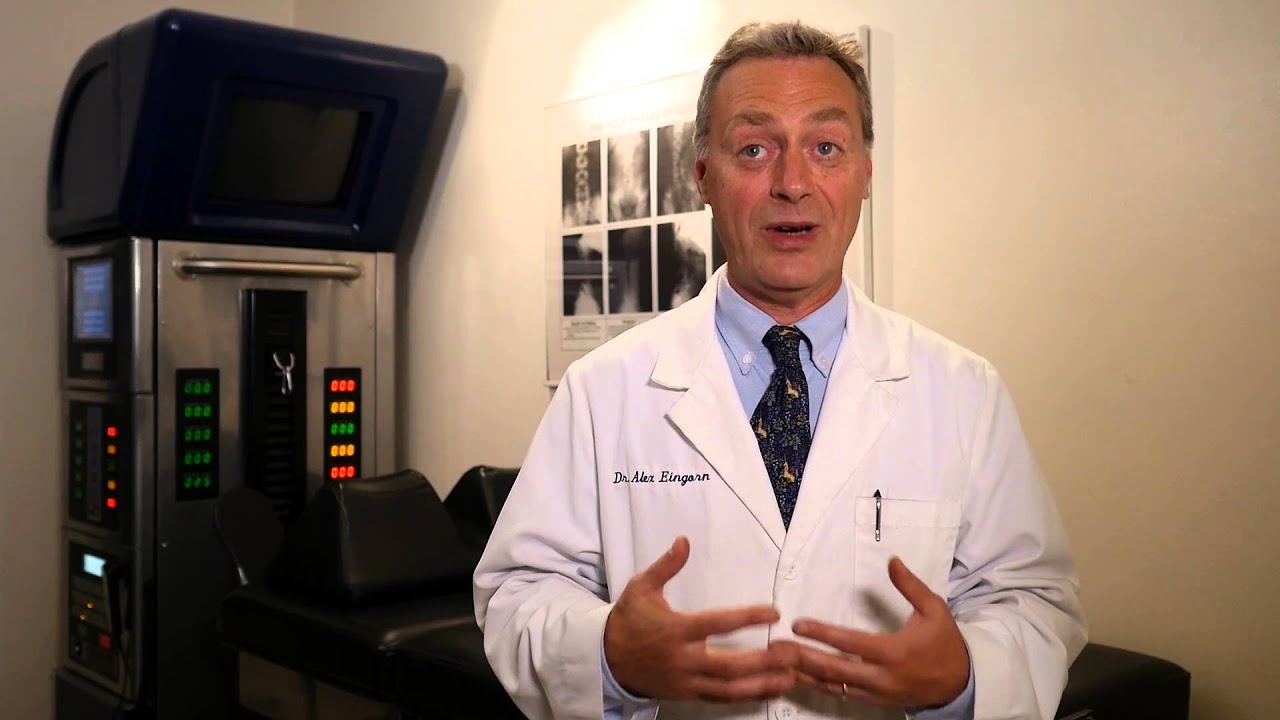
http://www.chiropracticnyc.com Dr. Eingorn is a NYC chiropractor at Better Health Chiropractic. Dr Eingorn treats patients that have back and neck injuries. In this video Dr. Eingorn discusses the difference between a slipped disc and a herniated disc.
here are several varieties of herniated discs that are possible in the human spine. However, most people tend to use the same term (slipped disc) to refer to the different types of spine injuries. You will hear people referring to a herniated disc as a 'slipped disc,' but these are two distinct terms. A 'slipped disc’ can be a bit misleading because it could mean a lot of things including a bulged disc, prolapsed disc or even a herniated disc. A herniated disc, on the other hand, is a definite scientific description of the real problem associated with it. An expert will even tell you that referring to a herniated disc as a slipped disc is a misnomer.
So What Exactly is a Herniated Disc?
A spinal disc is usually likened to a jelly doughnut that has a soft center and encased within a relatively tough exterior. A herniated disc occurs when this soft interior (jelly)pushes out through a crack that occurs in the disc’s tough exterior. When this 'jelly’ finds its way out, it releases some chemicals that irritate the nerves around the affected area thereby causing pain. The prolapsed disc may also cause pain if it presses the surrounding nerves. In most cases, this type of injury occurs in the back or the vertebrae of the neck.
When we, therefore, talk of a slipped disc with regard to a herniated disc, we refer to a damaged disc pressing on the sciatic nerve (longest nerve running from the back of your pelvis to the feet) causing a tingling sensation, numbness or weakness in other parts of your body. And when the sciatic nerve is affected, it causes mild to severe pain in the buttocks, legs or hip.
While herniated disc can lead to weakness or numbness in your leg or hand, some people may not experience any pain, especially if the disc does not come into contact with the nerves.
Causes of Disc Herniation
Disc herniation is associated with the natural wear and tear of the disc due to repeated movement, and hence, it's commonly known as disc degeneration. As we age, our spinal discs lose their water content gradually making them less flexible and vulnerable to tearing when exposed to strains and twists. Most of the people who experience this kind of disc problem may not recall the exact time or the cause of the pain, but it usually occurs when you lift heavy objects without twisting or bending at the knee.
Various factors can heighten your risk of a herniated disc. One of them is inheriting some genetics with a predisposition to developing the condition. Excess weight is the other one, where pressure causes more stress, thereby affecting the discs in your lower back. Also, those with physically demanding jobs have a greater risk of developing back problems because of the risky activities they engage themselves in, including repetitive pulling, pushing, bending sideways among others.
Herniated Disc Treatment
Whenever you have a back problem, you should seek the attention of a reputable doctor as soon as possible. The doctor will first carry out a thorough physical examination focusing on your range of motion, reflexes, walking ability, muscle strength among other tests that can help him in diagnosing a herniated disc. The doctor may also have to use various types of imaging such as X-rays to ensure that the diagnosis is efficient in a bid to offer the best treatment. Therapy, medication and surgery are the three disc herniation treatment options that your doctor may suggest depending on the degree of your injury.
If you follow the medication, exercises and the movements that your doctor suggests, you should be relieved of your herniated disc symptoms within a period of about four weeks.
In the next video Dr. Eingorn answers the question: "Can I have a herniated disc and not know?"
• Can I have a herniated disc and not know? ...
You can see more video about conservative treatments for disc herniations here: • NYC Herniated Disc | Alex Eingorn, DC (64...
Better Health Chiropractic
825 Seventh Avenue
New York, NY 10019
646-553-1884
http://www.chiropracticnyc.com/
non-surgical lumbar decompression, spinal decompression, herniated disc, herniated disc treatment, disc herniation, bulging disc, slipped disc

Информация по комментариям в разработке