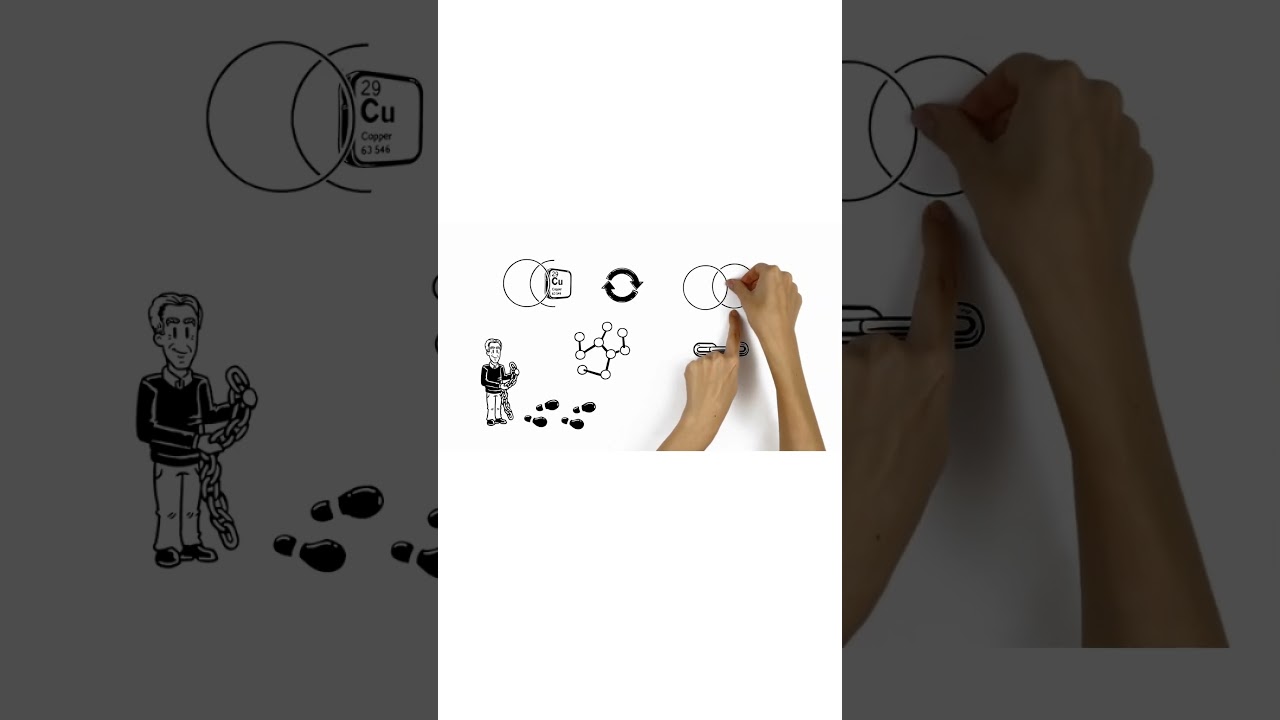
In 2016 ,🏆 the Nobel Prize in Chemistry was awarded to Jean-Pierre Sauvage, Sir J. Fraser Stoddart, and Bernard L. Feringa for their groundbreaking work in designing and synthesizing molecular machines 🧬🤖 tiny molecules that can move and perform tasks like microscopic robots.
''What would be the utility of such machines? Who knows? I cannot see exactly what would happen, but I can hardly doubt that when we have some control of the arrangement of things on a molecular scale we will get an enormously greater range of possible properties that substances can have, and of the different things we can do.''
Richard Feynman
MolecularMachines, Nanotechnology, Nanomachines, MolecularRobots, Chemistry, ScienceExplained, JeanPierreSauvage, FraserStoddart, BenFeringa, RotaryMotor, Catenanes, Rotaxanes, DrugDelivery, Nanorobotics, ScienceVideo, MolecularMachinesExplained, NobelPrizeChemistry, 2016NobelPrize, NanotechnologyRevolution, TinyMachines, MolecularMotors, ScienceInnovation, FutureOfMedicine, MolecularEngineering, ChemistryNobelPrize, MolecularScience, CuttingEdgeScience, MolecularTechnology, chemistry courses, chemistry courses online
#shorts #chemclassyt
http://www.nobelprize.org/nobel_prizes/che...
Ramström, Olof (2016). Molecular Machines. Scientific Background on the Nobel Prize in Chemistry 2016 compiled by the Class for Chemistry of the Royal Swedish Academy of Sciences.
Fernhold, Ann (2016). How Molecules Became Machines. Popular Science Background
Информация по комментариям в разработке