*"Saving Private Ryan": Redefining War Cinema (1998)*
In 1998, director Steven Spielberg released "Saving Private Ryan," a film that would redefine the war movie genre with its unflinching portrayal of the brutal realities of combat during World War II. Known for its intense and realistic depiction of the D-Day invasion, the film tells a powerful story of duty, sacrifice, and brotherhood.
The genesis of "Saving Private Ryan" began with screenwriter Robert Rodat, who was inspired by the true story of the Niland brothers during World War II. The script was a fictional account centered around the U.S. Army's mission to save one soldier, Private James Francis Ryan, after the death of his three brothers in combat. This narrative captured Spielberg's attention, as he sought to create an authentic and emotionally resonant war film.
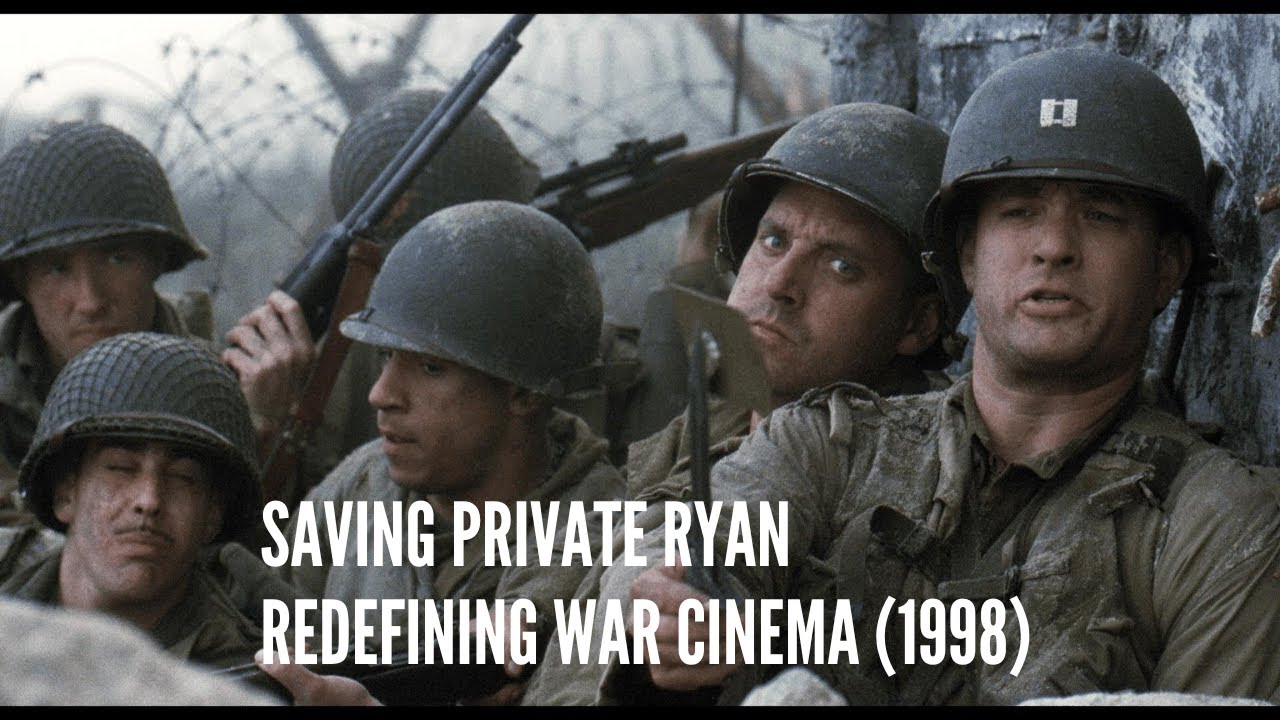
Spielberg's vision for "Saving Private Ryan" was to immerse audiences in the visceral experience of war. To achieve this, he employed a documentary-style approach, using handheld cameras and desaturated colors to enhance the film's gritty realism. The film's opening sequence, depicting the Omaha Beach landing on D-Day, became iconic for its harrowing and immersive portrayal of one of history's most brutal battles.
The cast of "Saving Private Ryan" was led by Tom Hanks, who played Captain John H. Miller, the leader of the mission to find and bring home Private Ryan, portrayed by Matt Damon. Hanks's performance anchored the film with a sense of humanity and gravitas, while the ensemble cast, including Edward Burns, Tom Sizemore, Barry Pepper, Giovanni Ribisi, Vin Diesel, and Adam Goldberg, delivered compelling portrayals of soldiers facing the horrors of war.
Filming "Saving Private Ryan" was a grueling process, with the cast undergoing intensive military training to accurately depict soldiers in combat. Spielberg's commitment to realism extended to the film's production design, special effects, and sound design, all of which contributed to the immersive and authentic feel of the film.
Upon its release, "Saving Private Ryan" was met with critical acclaim and commercial success. It was praised for its realistic combat scenes, powerful performances, and emotional depth. The film earned 11 Academy Award nominations and won five, including Best Director for Spielberg and Best Cinematography for Janusz Kamiński. Its influence on the war film genre and popular culture has been profound, setting a new standard for the depiction of warfare in cinema.
"Saving Private Ryan" continues to be celebrated as a landmark achievement in filmmaking, offering a poignant reminder of the sacrifices made by those who served in World War II. Its legacy endures not only as a powerful war drama but also as a tribute to the bravery and resilience of soldiers in the face of unimaginable adversity.
As audiences revisit "Saving Private Ryan," its impact remains undiminished, reaffirming its place as one of the most significant and influential war films ever made. The film's portrayal of courage, camaraderie, and the human cost of war continues to resonate, ensuring its lasting relevance in the annals of cinematic history.
#SavingPrivateRyan #StevenSpielberg #TomHanks #MattDamon #WorldWarII #WarMovie #EpicWarFilm #1998Movies #DDayInvasion #MilitaryDrama #CombatRealism #RobertRodat #GrippingNarrative #OmahaBeach #BrotherhoodInArms #IconicWarScenes #CinematicMasterpiece #GrittyRealism #IntenseAction #HistoricalDrama #EmotionalDepth #WarHeroes #BraveryAndSacrifice #CinematicLegacy #BestDirector #EpicStorytelling #FilmOfTheYear #LegendaryFilm #WarFilmClassic #MilitaryTraining #BattlefieldCourage #CourageUnderFire #PowerfulPerformances #CriticallyAcclaimed #OscarWinner #MemorableScenes #UnforgettableFilm #TrueCinematicExperience #ImmersiveCinema #WarFilmIcon #FilmHistory #IconicScenes #WarStory #CinematicAchievement #HumanCostOfWar #EpicCinematography #WarDrama #SoldierStories #WarFilmGreatness

Информация по комментариям в разработке