The lonely train, hauled by the only working locomotive in Kosovo...
"A big * THANK YOU * to the kind and wonderful people of Kosovo. Especially to the executives of Trainkos and Infrakos whose permission made my dream six (6) videos project a reality!!!"
KOSOVO & Railway Network
Kosovo, officially the Republic of Kosovo, is a landlocked country in Southeast Europe – Balkans. It covers an area of 10,887 km2 (approx. half size of Wales or similar to Epirus Region in Greece) and has a population of nearly 1.6 m. Kosovo has a varied terrain, with high plains along with rolling hills and mountains, some of which have an altitude over 2,500 m.
Railway network in Kosovo is 430 km long, of which 334 km serve both freight and passenger and 97 km is used only for freight traffic. In recent years the government of Kosovo and European Union has taken steps to rehabilitate and upgrade rail infrastructure in the country. The mainline between Hani i Elezit and Leshak constitutes part of Pan-European Corridor X.
Trainkos & Infrakos
Passenger trains in Kosovo are operated by private Trainkos (former Kosovo Railway) founded in 2011 and the infrastructure maintained by Infrakos.
Pristina & Peja Railway Stations
The first railway was opened in 1874 from Mitrovica to Skopje (North Macedonia), when both countries were part of the Ottoman Empire. The first railway line in Kosovo was built in 1873 under Turkish guidance for the Compagnie des Chemins de Fer Orientaux (CO), led by Maurice de Hirsch. It started in Thessaloniki, went on north to Skopje and reached Mitrovica. It was constructed to standard (1435mm) gauge, as were most later railways in the country.
Pristina railway station is the central railway station in the city of Pristina, the capital of Kosovo. It opened on Tirana Boulevard in 1936, having been constructed by a French/British company. The station was restored by British soldiers, serving as part of KFOR in 1999.
Peja Train Station is a railway station in Peja, with twice-daily train services to Pristina, operated by Trainkos. While the station's exterior will remain unchanged to preserve its historic character, rehabilitation of the railway network is planned to improve services and increase train traffic.
Pristina – Peja - Pristina Passenger Service
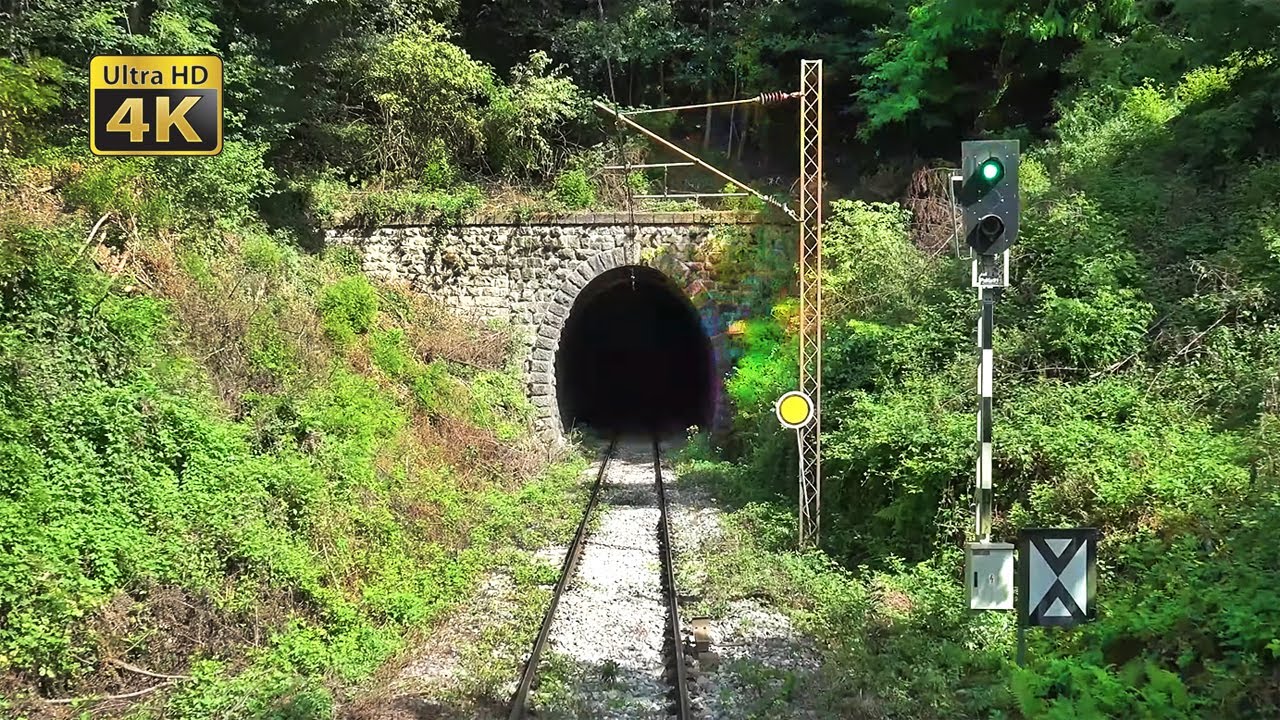
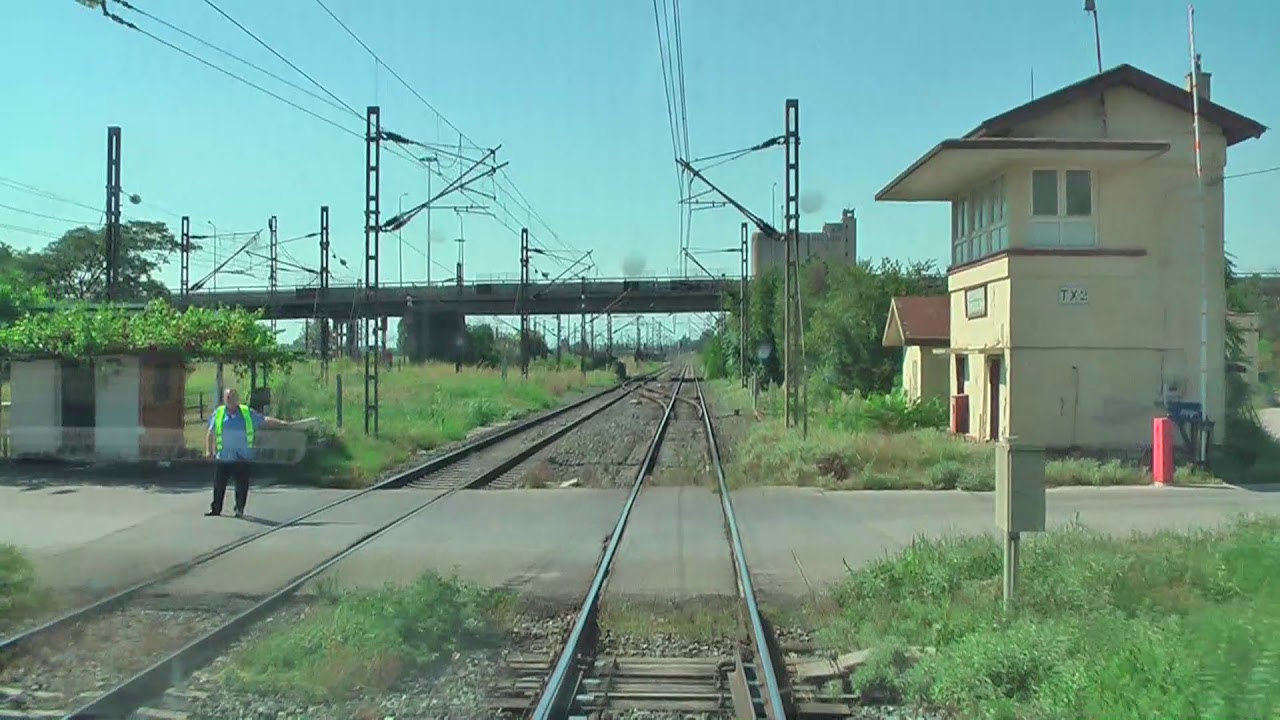
As of August 2025, Trainkos offers the only passenger service on one line: a local train running twice every day from Peja to Pristina and back. It is Kosovo's only active passenger rail route. The journey takes approximately two hours, with the current trains reaching speeds of up to 70 km/h. While a historic route, the railway infrastructure is dilapidated and in need of significant upgrades to improve speed, safety, and service quality. The 85 km line from Pristina to Peja was built between 1934 – 1936.
The train stays in Peja overnight. To buy a ticket, you cannot use a machine or counter at the station. You would buy a ticket directly from the train. Train tickets between Pristina and Peja are inexpensive, costing around $3–4 for a journey of approximately two hours.
Trainkos Locomotive no. 2620 005 (001) - Type EMD GT22HW-2
Year Built: 1985 - Power Output: 2330 HP - Vmax: 124 km/h – Weight: 97,5t
Former Lettering: JŽ 645-033, HŽ 2044 031, HK/KŽ 001
Locomotive 2620 005 is one of two JŽ Class 645 locomotives delivered to ŽTO Pristina. As 645-033, it was therefore bilingually lettered (JUGOSLOVENSKE ŽELEZNICE - HEKURUDHAT JUGOSLLAVE). Remaining in Croatia during the Kosovo War, it returned to Kosovo after being overhauled at Gredelj in Zagreb in 2011, where it was initially designated 001.
Yugoslav Locomotive Series 645 (EMD GT22HW-2)
The Electro-Motive Diesel Division EMD GT22HW-2 was a custom designed EMD A1A – A1A diesel-electric locomotive built by Duro Dakovic for Yugoslavia. Mainly used for passenger service, the reliability of these locomotives made this model a success even after the breakup of Yugoslavia. Designated as the Series 645 in the Yugoslav Railways, these locomotives were later known as the Series 2044 in the Croatian Railways after 1991. Thirty-four examples (645.001 - 645.034), of this model were built between February 1981 to August 1984 and were given four different lettering variations due to the various ethnicities existing in Yugoslavia at the time.
001 - 030 are lettered JUGOSLAVENSKE ŽELJEZNICE (Croatian)
031 - 032 are lettered ЈУГОСЛОВЕНСКЕ ЖЕЛЕЗНИЦE (Serbian Cyrillic)
033 - 034 are lettered JUGOSLOVENSKE ŽELEZNICE - HEKURUDHAT JUGOSLLAVE (Serbian/Albanian).
© Απαγορεύεται η χρήση, αναπαραγωγή ή αναδημοσίευσή του παραπάνω κινηματογραφικού υλικού, ολική ή μερική, με οποιοδήποτε μέσο, ηλεκτρονικό ή έντυπο, χωρίς τη γραπτή άδεια του κατόχου των πνευματικών δικαιωμάτων του καναλιού.
Please subscribe to my channel for more amazing content. You are welcome to share any of my videos in social media. No unauthorised use or duplication of the video is allowed.
Thanks for watching...! Facebook Page: / sidirodromeas
![Driver's Eye View Pristina to Peja - Trainkos Train no. 4201 - KOSOVO (Part 1/6) - [449]](https://i.ytimg.com/vi/PwTzydNprag/maxresdefault.jpg)


![Driver's View... Train Ancient Olympia - Katakolo (1882 - 83 line construction) Part 1/3 - [362]](https://i.ytimg.com/vi/h3rwrT0ysVI/maxresdefault.jpg)


![Trainkos Train no. 4200 KLINE to PRISTINA - KOSOVO (Part 3/6) - [450]](https://i.ytimg.com/vi/PNBpcag23uU/maxresdefault.jpg)


![Cab Ride ATHENS Central Railway Station - THIVA (Drivers View) - [351]](https://i.ytimg.com/vi/s0mNGzA5qzQ/maxresdefault.jpg)


![Driver's View.... ODONTOTOS rack railway Kalavrita - Diakofto - Οδοντωτός [2] - [340]](https://i.ytimg.com/vi/HdFAtj79vpY/maxresdefault.jpg)


![[Cab Ride] Chambéry - Lyon Part Dieu via Saint-André-le-Gaz](https://i.ytimg.com/vi/FMu0Uw9VSVo/maxresdefault.jpg)


Информация по комментариям в разработке