Uzbek weddings are one of the most magnificent and vibrant displays of national culture, characterized by large numbers of guests, lavishly set tables, and ancient traditions. For the Uzbek people, a wedding is not just a celebration of two individuals starting a new chapter in their lives, but also a significant event where family, relatives, and the entire community come together in joy.
Number of Guests
Uzbek weddings are typically large in scale. It is not uncommon for a single wedding to host 500 to 1,000 or even more guests. This reflects the generosity and hospitality of the Uzbek people. Guests come to congratulate the bride and groom, bringing gifts or monetary contributions, and they express their warmest wishes. The relatives of the bride and groom warmly greet the guests and serve them at the festive table.
Lavishly Set Table
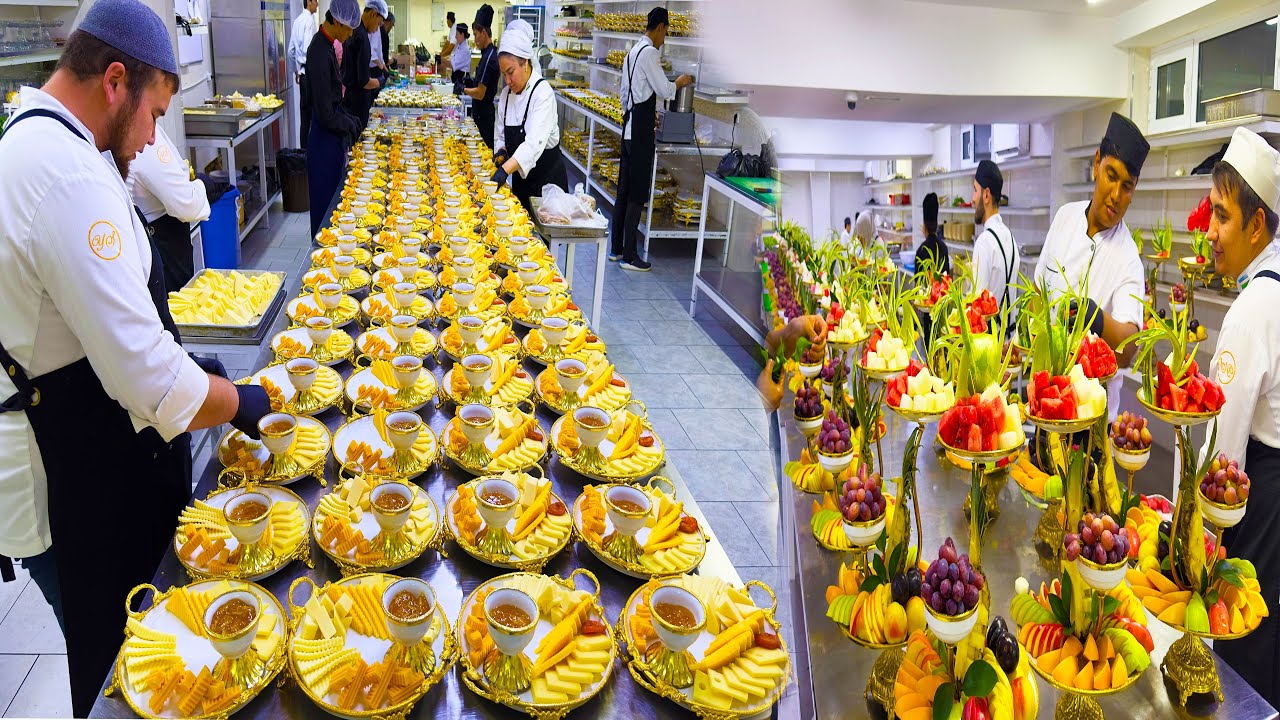
One of the most notable features of Uzbek weddings is the abundance of food on the table. Every guest is offered a variety of sweets and traditional dishes. The wedding table is usually filled with the following classic Uzbek dishes:
1. **Plov (Osh)**: An Uzbek wedding is unimaginable without plov (pilaf). As the centerpiece of the event, a special wedding plov is prepared in large cauldrons. The flavor of this dish is unique, and every guest eagerly anticipates tasting it.
2. *Meat Dishes**: Dishes like **shashlik* (grilled meat skewers), *manti* (dumplings), and *samosa* (savory pastry) are also key components of the wedding table. These meat dishes, especially shashlik, are prepared with great care and are a favorite among wedding attendees.
3. *Bread**: Bread holds great significance in Uzbek culture. Freshly baked **tandir non* (flatbread) adds a special touch to the table, and each guest appreciates this simple yet important staple.
4. *Salads and Seasonings**: A variety of salads made from vegetables, such as **achiq-chuchuk* (a tomato and onion salad) and pickled vegetables, also enhance the wedding feast. These salads not only add color to the table but also complement the main dishes.
5. *Sweets**: Traditional sweets like **chak-chak**, **halva**, and **parvarda* are a delightful part of the wedding meal. These desserts bring a sweet note to the celebration, making the guests' experience even more enjoyable.
6. **Fruits and Confectionery**: Another essential part of the wedding table is fresh and dried fruits, along with various confections. Seasonal fruits like melons, watermelons, and grapes, along with sweet treats, provide a refreshing balance to the meal.
Drinks
Drinks also play an important role in Uzbek weddings. **Tea**, especially green or black tea, is the most common beverage served. Tea is an essential part of social interactions in Uzbekistan, symbolizing hospitality. Additionally, fruit compote and juices flavored with traditional spices are often offered.
Traditional Rituals
Throughout the wedding, several important traditional rituals are performed involving the bride and groom. One of these rituals is the **blessing of the newlyweds**, during which the bride is taken to the groom’s home in a ceremonial procession. Before the wedding ceremony begins, the bride and groom receive blessings (fotiha) for their marriage. The celebration is also filled with music, dancing, and traditional games to entertain the guests. Friends and family members of the couple often share jokes and engage in playful activities, adding humor to the festivities.
Conclusion
Uzbek weddings are not just a joyful event for the bride and groom but a celebration for the entire family and community. The generous hospitality, the abundance of food, and the heartfelt atmosphere make these weddings memorable and special. Every Uzbek wedding leaves a lasting impression on the guests, showcasing the warmth, love, and hospitality of the Uzbek people.

Информация по комментариям в разработке