Are you curious about your dog's sleeping position?
If you are, this video is for you. Enjoy watching!
______
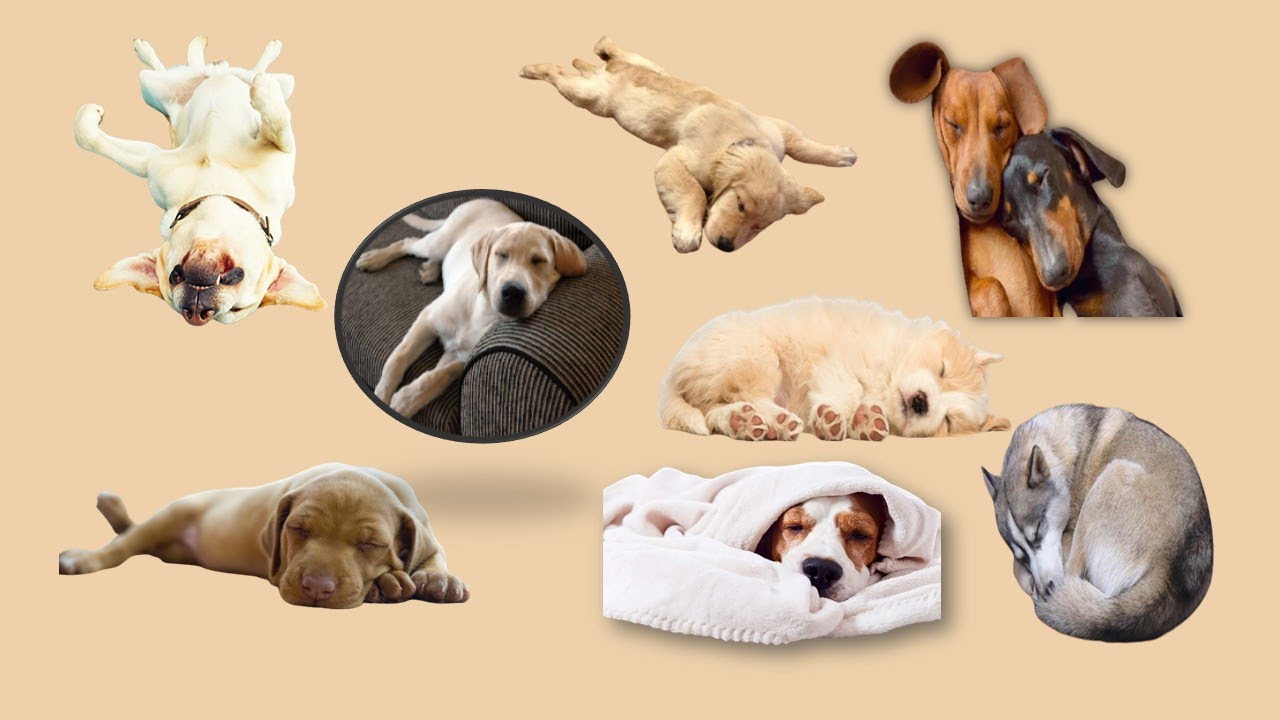
What does a dog sleeping position mean?
Like us, dogs have their sleeping preferences, and it can reveal their health, personality, and how they were feeling.
1. Dog sleeping on its back with its paws up is one of the most adorable. Seeing it can even reduce your stress at some time! This is the most relaxed sleeping position among dogs. It means that it feels comfortable, trusts you, and confident with the surroundings. Exposing its throat and belly indicates that your dog is not afraid to be vulnerable with you. However, as dogs age, they may no longer sleep on their back as much due to arthritis, and you should not assume that they no longer trust you. This position may also mean that your dog is feeling hot and trying to regulate temperature and to cool down. Since the fur is thinner around the belly and the paws hold the sweat glands, exposing these areas is a great way to beat the heat.
On its back dog sleepers are trusting and loving, comfortable with its surrounding and will snooze anywhere.
2. Superman or sometimes called "sploot". Dogs often adopt this position when they want to lie against the cool floor. It is when your dog's belly is pressed to the floor, back legs behind him,
and front legs stretched forward. Superman is a common position among puppies, those who are taking a nap, energetic and very playful dogs. They're probably tired but in the mood to play and will give you a good time if you are willing to play with them. Sleeping this way allows your dog to get up on its feet easier in case of danger, or as soon as they wake up.
3. Curled up dog sleeping position is when your dog's whole body is forming like a ball, wrapping around its body with its tail and tucking its paws beneath itself. This is one of the most common position among dogs, and other animals in the wild too. When your dog curl up in a ball, it conserves warmth; a favorite position when they are cold, and protecting their vital organs. The position is common also in stray or new dogs getting used to their environment. These dogs are caring, but anxious. Don't think too much, many dogs enjoy to sleep this way as it's just incredibly comfortable!
4. Lying on their side with their legs extended are the side sleepers. These dogs are trusting, loyal, affectionate and share a close bond with their owners. This indicates that your dog has no worries, relax and comfortable with its surroundings at a comfortable temperature. It's also when they're likely to get the most deep sleep. You'll also often notice your dog twitching during sleep or when dreaming, as their paws are loose and free to move in this position.
5. When your dog is sleeping with their head on top of their paws, it is called the Lion's Pose or so-called, "The Sphinx" that is similar to some lion's statues. This position allows your dog to wake up easier, meaning to say, they are resting but prevents from falling into a deep sleep. These dog sleepers are protective and devoted, typically snooze on the front door or beside your feet.
6. Cuddling has to be one of the sweetest and cutest dog sleeping habit for owners that love to let their dog sleep in bed with them. Dogs who loves to cuddle next to you or with another animal is a holdover behavior from when your dog was a puppy, seeking the sense of security and comfort they had with their mother. Cuddlers are affectionate and wants to get closer to you. They'll do anything to snooze next to you or with another companion.
7. Have you noticed your dog seem unable to fall asleep without pillows, clothes, or blankets? If so, your dog loves to sleep in the burrower position. When your dog is a burrower, it needs more attention as they're searching for security and comfort. They are affectionate but needy. Adding blankets or clothes when they sleep make them feel secure.
8. Dogs who sleep lying with their head and neck raised on a surface, on the side of their bed or on a couch' cushion, could mean that your dog has issues breathing properly.
Keep an eye on symptoms if there's an issue on its breathing and make sure to contact your veterinarian if needed.

Информация по комментариям в разработке