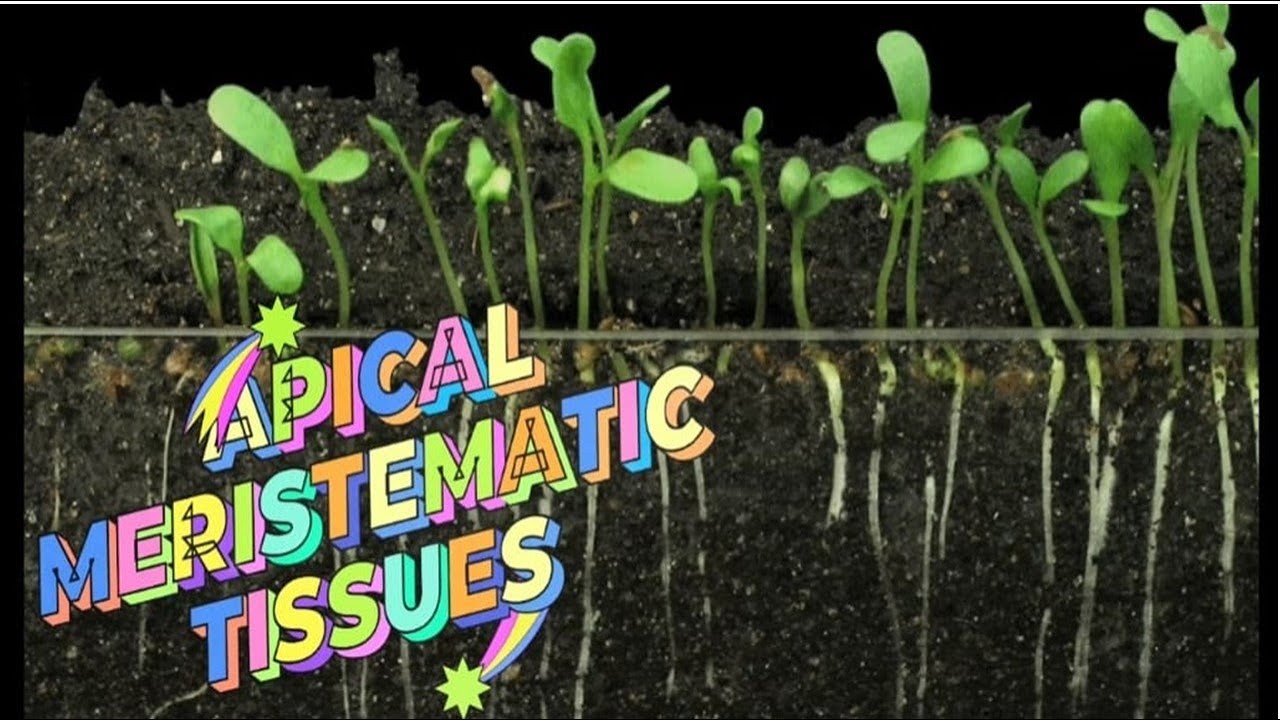
Welcome to our channel! In this educational video, we delve deep into the fascinating world of apical plant tissue. Apical tissue, also known as apical meristem, plays a crucial role in the vertical growth of plants, shaping everything from the delicate tips of leaves to the towering trunks of trees.
What You'll Learn:
• Introduction to Apical Plant Tissue: Explore the basics of apical meristem and understand its
significance in plant development.
• Apical Growth Mechanism: Learn about the intricate processes and hormones that drive
apical growth in plants.
• Differentiation and Specialization: Discover how apical tissue differentiates into various
plant parts and contributes to the overall structure.
• Role in Regeneration: Understand how apical meristems enable plants to regenerate and
heal from injuries.
• Importance in Agriculture: Learn about the agricultural implications of understanding apical
plant tissue for crop cultivation and yield.
Join us on this enlightening journey through the world of plant biology. Whether you're a student, a gardening enthusiast, or simply curious about the wonders of nature, this video provides valuable insights into the foundation of plant growth
Your Class Notes-
Apical meristems are situated at the growing tip of stem and root, where cell division and growth occur. They are responsible for the primary growth of plants in length, allowing them to grow taller and their roots to extend deeper into the soil. Apical meristems are crucial for the development of plant organs and tissues.
There are two main types of apical meristems:
1. Apical Shoot Meristem: Located at the tips of stems and branches, the apical shoot meristem is responsible for the growth in length of the main stem and the development of leaves and flowers. As the cells in this meristem divide, they give rise to new leaves and stems, enabling the plant to increase in height and produce more branches.
2. Apical Root Meristem: Found at the tips of roots, the apical root meristem is responsible for the growth in length of the root system. It produces cells that differentiate into various root tissues, including the root cap, epidermis, cortex, and vascular tissues. These tissues are essential for nutrient and water absorption, anchoring the plant in the soil, and providing structural support.
The activity of apical meristems is tightly regulated by genetic and environmental factors. Hormones, such as auxins, play a significant role in controlling the growth and development of apical meristems. Apical dominance, which refers to the phenomenon where the apical bud suppresses the growth of lateral buds, is one example of how apical meristems influence the overall shape and structure of a plant.
Understanding the functions of apical meristems is essential in horticulture and agriculture, as it helps in practices such as pruning, shaping, and grafting plants to control their growth and appearance.
Don’t forget to like, share, and subscribe for more informative content on biology, botany, and the marvels of the natural world!





![Эффект Джанибекова [Veritasium]](https://i.ytimg.com/vi/N9HlQ-XVnFk/maxresdefault.jpg)


Информация по комментариям в разработке