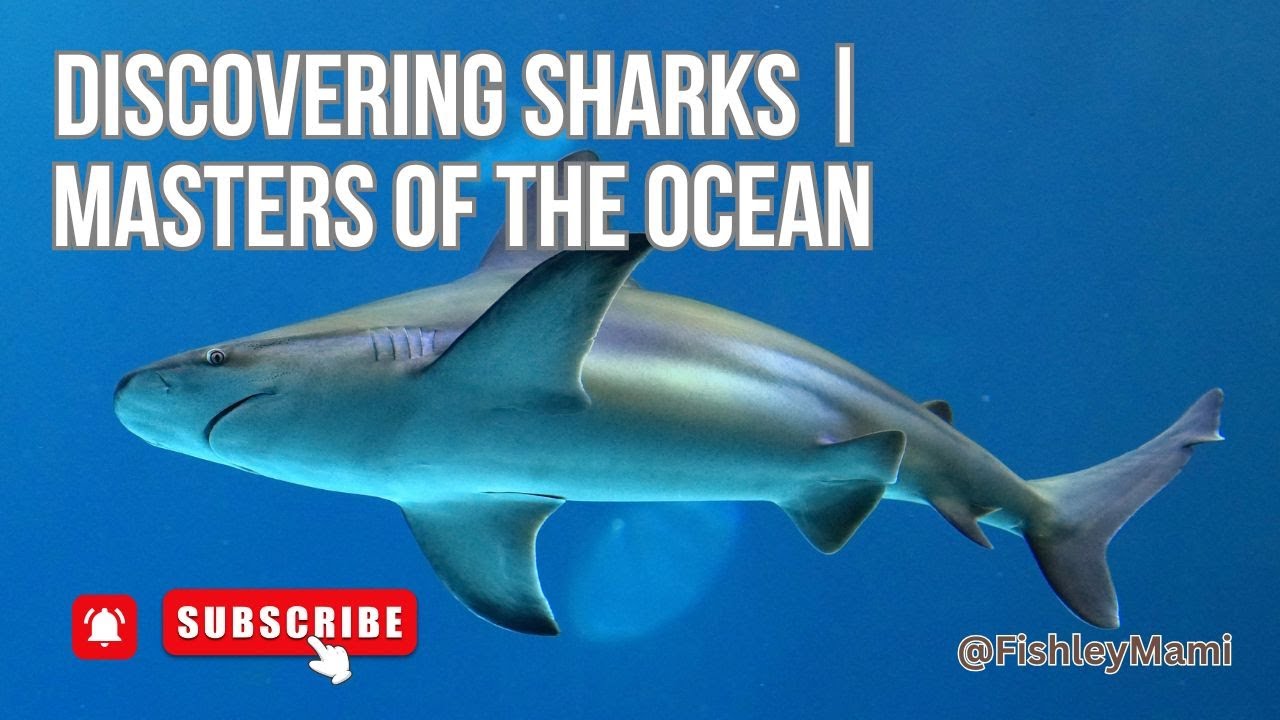
Sharks are some of the most powerful, ancient, and misunderstood animals in the ocean. In Discovering Sharks: Masters of the Ocean, this educational video takes viewers on an exciting deep-sea journey to explore the true nature of sharks. From their incredible senses and hunting strategies to their vital role in marine ecosystems, this video reveals why sharks are essential to the health of our oceans.
Sharks have existed for over 400 million years, surviving mass extinctions and dramatic changes in Earth’s environment. Unlike most fish, sharks are cartilaginous fish, meaning their skeletons are made of flexible cartilage instead of bone. This unique structure allows them to move efficiently through the water and makes them powerful swimmers. The video introduces a wide range of shark species, from the enormous whale shark to fast and powerful hunters like the great white shark.
Viewers will learn how sharks are perfectly adapted for life in the ocean. Their streamlined bodies reduce drag, while their powerful tails provide speed and strength. One of the most fascinating topics covered in this video is the incredible sensory system of sharks. Sharks can smell tiny traces of blood from far away, detect low-frequency sounds made by prey, sense vibrations through their lateral line, and even detect electrical signals produced by other animals. These abilities make sharks highly efficient predators, even in dark or murky water.
The video also explores what sharks eat and how their feeding habits vary by species. While some sharks hunt fish, seals, and squid, others such as whale sharks and basking sharks feed on plankton using filter-feeding techniques. Sharks have multiple rows of teeth that are constantly replaced throughout their lives, ensuring they are always ready to hunt. Their feeding behavior is explained in detail, helping viewers understand how sharks fit into the ocean food web.
Despite their fearsome reputation, sharks rarely attack humans. The video explains why shark attacks are extremely rare and often the result of curiosity or mistaken identity. By understanding shark behavior, people can reduce fear and learn how to safely coexist with these animals. The video also addresses common myths and misconceptions about sharks that have been shaped by movies and media.
Sharks play a critical role as top predators in marine ecosystems. By controlling the populations of other marine animals, sharks help maintain balance and prevent ecosystem collapse. Without sharks, coral reefs and fish populations can suffer serious damage. This video highlights why sharks are considered keystone species and why their decline has far-reaching consequences for ocean health.
The video also examines the serious threats sharks face today. Overfishing, bycatch, habitat destruction, and the demand for shark fins have caused dramatic declines in shark populations worldwide. Because many sharks grow slowly and produce few offspring, they are especially vulnerable to overexploitation. Conservation efforts such as marine protected areas, fishing regulations, and global awareness campaigns are essential to protecting sharks.
Discovering Sharks: Masters of the Ocean offers a clear, engaging, and science-based look at one of the ocean’s most iconic animals. Whether you’re interested in marine life, animal behavior, ocean science, or conservation, this video provides an in-depth understanding of sharks and their importance to our planet.
If you enjoyed this video, please like, subscribe, and share to support the channel and continue exploring the wonders of the natural world.
#Sharks
#MarineLife
#OceanPredators
#Wildlife
#OceanScience
#SharkFacts
#NatureEducation
#DiscoverNature
#SeaCreatures
#SharkConservation

Информация по комментариям в разработке