Most adults over 60 are told, “Your blood pressure is fine,” without anyone explaining what those numbers actually reveal about your arteries, brain, kidneys, and overall survival. After 60, your blood pressure is no longer just a heart number—it is a direct window into how fast you are aging on the inside, and ignoring it can quietly raise your risk of stroke, heart failure, kidney disease, and dementia over the next decade.
In this video, you will learn how to finally decode your blood pressure readings—not just whether they are “high” or “normal,” but what each range is silently saying about your health risks after 60. You will see why two people with the same numbers can have completely different risk profiles depending on stiffness of their arteries, nighttime readings, and how quickly their pressure rises when they stand up. You will also discover what small, daily changes can nudge your numbers into the safer “sweet spot” that major heart organizations associate with lower stroke and heart attack risk in older adults.
In this video, you will discover:
What each number means: Why the top number (systolic) reflects artery stiffness and stroke risk, while the bottom number (diastolic) reflects how well your heart relaxes between beats.
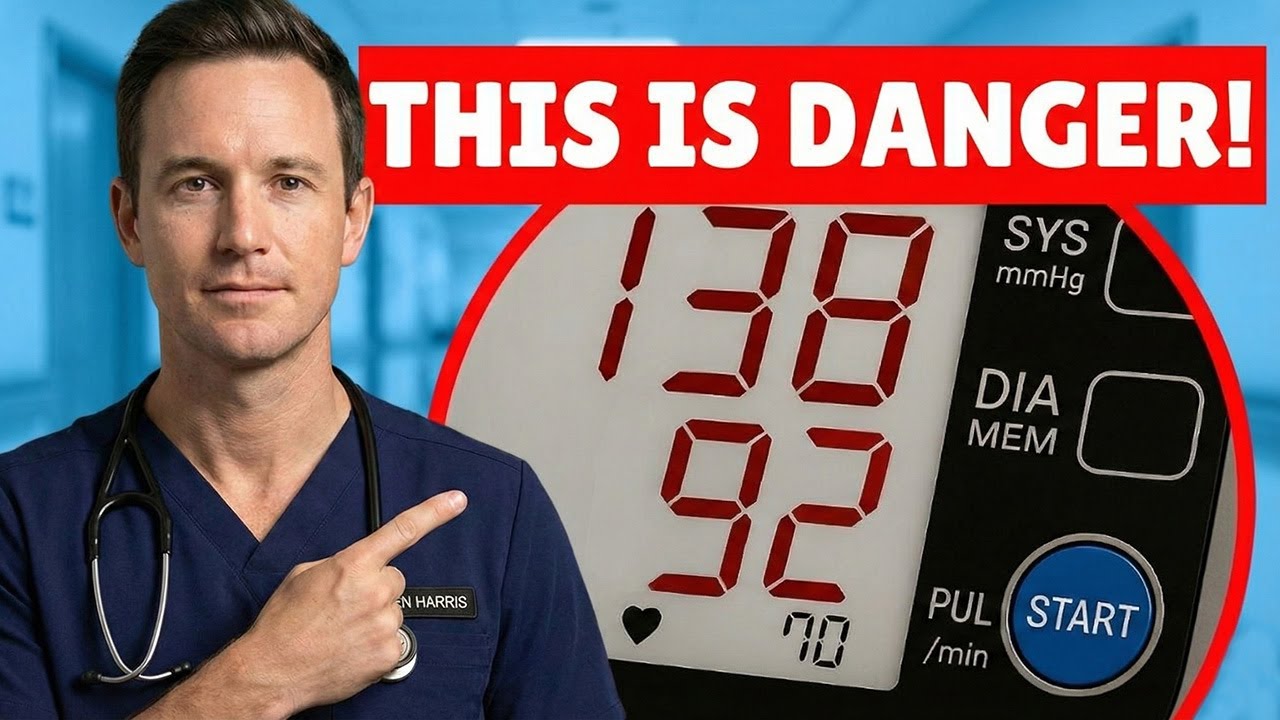
The hidden danger zone: Why “just a little high” (130–139 systolic) after 60 is actually a warning sign of vascular aging, not something to ignore until it becomes “real hypertension.”
Morning and night readings: What it means if your blood pressure is normal in the clinic but high at home in the morning, or stays elevated at night—both patterns linked with higher heart and kidney risk.
Organ warning signs: How long-term high pressure damages the delicate blood vessels in your brain, kidneys, eyes, and legs—and which symptoms (leg swelling, vision changes, memory slips) should never be ignored.
Good vs. bad drops: Why a sudden drop in blood pressure when you stand up can signal frailty, dehydration, or overmedication and increase your risk of falls after 60.
The healthy “signature”: The pattern of blood pressure numbers, heart rate, and daily variation that indicates your arteries, heart, and nervous system are aging more gracefully.
Action checklist: Simple questions and measurements to discuss with your doctor so your blood pressure plan protects your heart and brain—not just the numbers on a screen.
Scientific References & Research
Lifestyle and blood pressure in older adults
Major heart organizations highlight weight control, physical activity, reduced sodium intake, limiting alcohol, and managing stress as key non-drug strategies to help lower blood pressure and reduce cardiovascular risk.
Blood pressure and cardiovascular risk after 60
Guidance for older adults emphasizes that even mildly elevated blood pressure increases the risk of heart attack, stroke, heart failure, kidney disease, and cognitive decline, making regular monitoring and early lifestyle changes crucial after age 60.
Medical Disclaimer: The content in this video is for educational purposes only and is not intended to be a substitute for professional medical advice, diagnosis, or treatment. Always seek the advice of your physician or other qualified health provider with any questions you may have regarding your blood pressure or overall health. If you have a history of heart disease, stroke, diabetes, kidney disease, fainting, or are taking blood pressure medications, blood thinners, or diuretics, do not adjust your medication, salt intake, or exercise routine based solely on home readings or online information. Any changes to your treatment plan must be made together with your healthcare provider, who can interpret your readings in the context of your full medical history, physical examinations, and laboratory tests.

Информация по комментариям в разработке