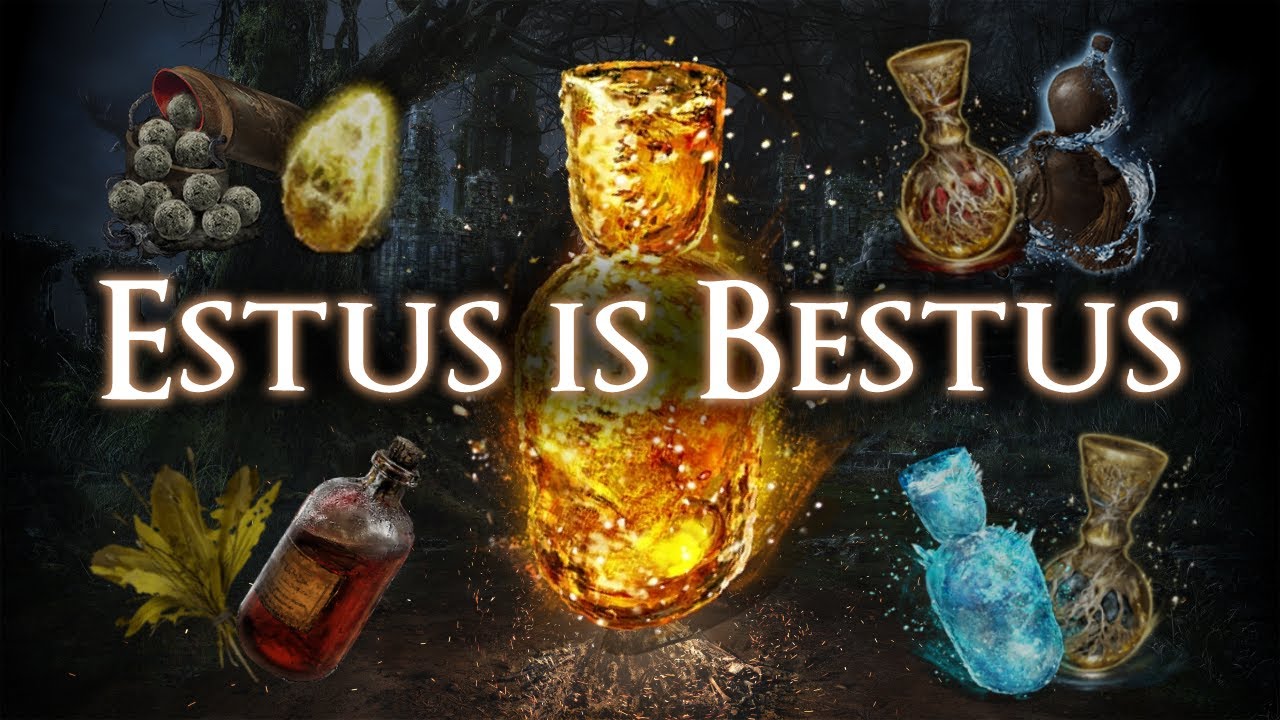
An examination of the PvE healing systems in FromSoftware’s “Souls” games, how each evolves from its predecessor, and the implications they have on their respective titles.
00:00 - Introduction
01:53 - Demon’s Souls
05:27 - Dark Souls
14:46 - Dark Souls 2
21:43 - Bloodborne
26:58 - Dark Souls 3
37:52 - Sekiro
40:54 - Elden Ring
Many thanks to Pfiffel for helping balance and clean up the VO audio, check out his music! / pfiffel
---------------------------------------------
Extended Thoughts
I’ve included a couple extended thoughts below, mostly excerpts from cut parts of the script which were removed for the sake of pacing.
Dark Souls passive healing:
DS1 does technically have a passive heal as part of the Sanctus shield. But you can only obtain this quite late into the game, at a point where it’s very unlikely to shift your playstyle or change how you approach the game. Not to mention the item is entirely missable, and the passive regen trait is easily overlooked. DS3 similarly has a passive regeneration ring, but it’s found decently late into the game and is so weak that I felt comfortable dismissing it in the video.
Bloodborne vial drops:
Another argument for Bloodborne’s system might be that it incentivizes clearing enemies instead of running past everything on runbacks. I don’t think this holds up though, at least not for the type of player who needs blood vials the most. You generally put yourself in more danger by fighting, and blood vials don’t drop generously enough to offset the ones an inexperienced player needs to use to stay alive while farming. Or at the very least, it’ll still be a terribly slow process for them, which continues to be the real issue. Blood vial drop rates even get decreased in earlier areas as you progress through the game, clearly putting an intentional restraint on easy farming methods.
Bloodborne kindling proposal:
My whining for a kindling system in Bloodborne admittedly has a flaw, one that even presents itself in DS1 to some extent. You can kindle one bonfire, get the increased estus charges from it, then teleport to another and take those extra with you until they’re depleted. If you’re stingy (and stubborn) enough, you can fully kindle one bonfire after obtaining the Lordvessel and just teleport back and forth from the bonfire you actually want to be at after each death. Bloodborne lets you teleport to absolutely any lantern right from the start, even less limited than DS1, which would dampen the intent of kindling. However, I think this could have been rectified by setting your max blood vials to that of the lantern you teleport to, so I still believe the system had potential merit in Bloodborne.
Elden Ring physick flask:
Elden Ring introduces a very interesting subsystem in the Flask of Wondrous Physick, effectively a build-your-own-estus where you assign two traits to a recharging one-use flask. Several of the available effects influence health/recovery in some way. I see this as a much better approach to DS2’s surplus of unnecessary consumable options, and I’d love to see this concept revisited in the next game. It could serve as the baseline for a reimagined healing system, where players can choose how much they want their flasks to focus on straight recovery vs. a wide selection of other interesting options.
Elden Ring consumable healing:
There is one other notable exception to Elden Ring’s healing purity in the form of the Raw Meat Dumpling. This is another take on Sekiro’s pellets, a consumable which is likewise capped at 3 in your inventory. This is an instant and generous heal that then poisons you, eating away at your temporary gains. It’s an interesting twist! Things get tense if they’re your only option for survival toward the end of a fight since they put a hard timer on your lifespan. Unfortunately, unlike Sekiro, Elden Ring is absolutely drowning in worthless consumables (you cannot tell me you’ve used Drawstring Soporific Grease before). It wouldn’t surprise me if a good percentage of people beat the game without ever knowing this tool was available. That’s a shame, because I think this could have been pretty compelling if it had drawn more attention as an emergency healing option.
PvE/PvP:
Something I regret not saying outright in this video (and realized far too late) is that this all comes from a PvE perspective, not online PvP. This introduces a few more considerations (lifegems aren’t allowed in PvP for instance), and I think there’s an interesting discussion to be had on how some evolutions may have had PvP in mind.

Информация по комментариям в разработке