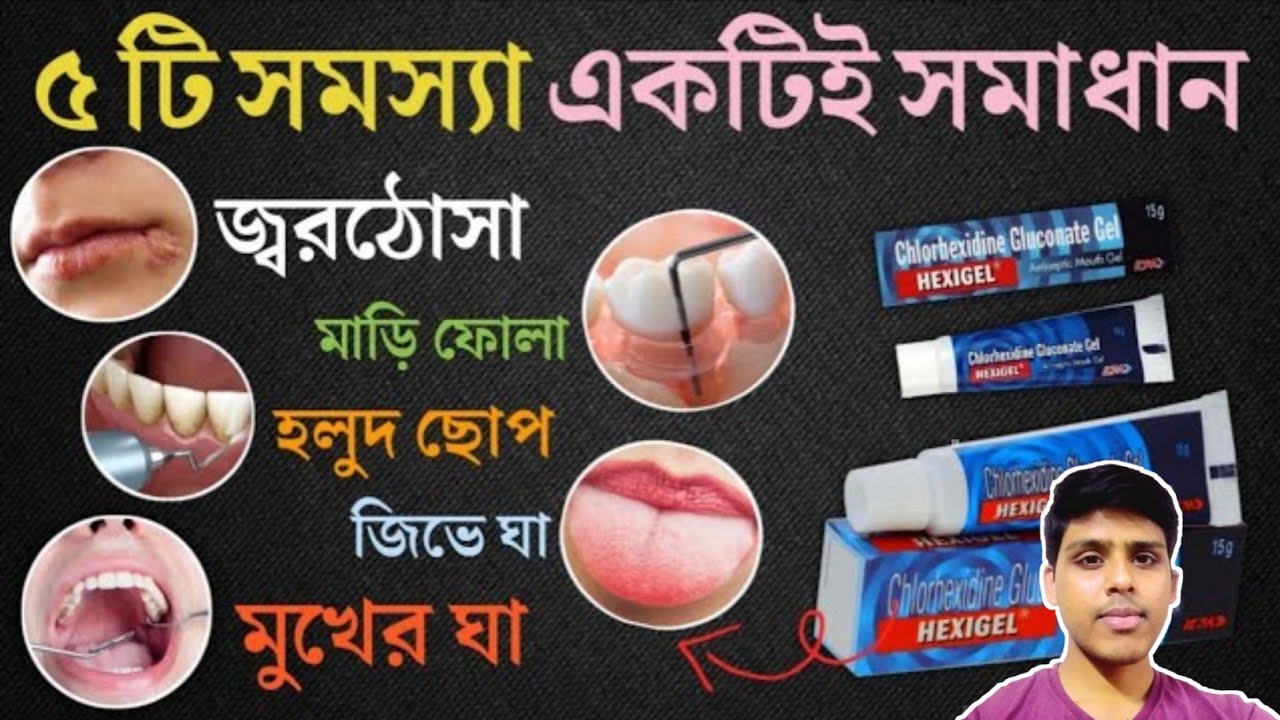
Hexigel is a topical oral gel that is primarily used to treat various oral problems. It contains an active ingredient called chlorhexidine gluconate, which has antiseptic properties. Here's how Hexigel can be effective in treating oral problems:
1. **Gingivitis**: Hexigel is often recommended for the treatment of gingivitis, which is an early stage of gum disease. The chlorhexidine in Hexigel helps to reduce inflammation and kill bacteria in the mouth, leading to the improvement of gum health.
2. **Mouth Ulcers**: It can be used to relieve the pain and discomfort caused by mouth ulcers. Hexigel forms a protective barrier over the ulcer, promoting the healing process and preventing further infection.
3. **Periodontal Disease**: For more severe cases of gum disease, Hexigel can be used as a complementary treatment to control the bacterial infection and maintain oral hygiene.
4. **Dental Procedures**: Dentists often prescribe Hexigel for patients who have undergone dental surgery or extractions. It helps prevent infection and aids in the healing process.
5. **Denture Care**: Hexigel can be used to clean and disinfect dentures, ensuring oral hygiene for those who wear them.
To use Hexigel effectively, follow your dentist's instructions or the product label. Typically, a small amount is applied directly to the affected area in the mouth, and it should not be rinsed off immediately. It's essential to avoid eating or drinking for at least 30 minutes after application to allow the gel to work effectively.
While Hexigel can be beneficial for treating oral problems, it's important to note that it should be used under the guidance of a dental professional, especially for more severe oral conditions. Regular dental check-ups and proper oral hygiene practices remain crucial for maintaining oral health.
Oral problems encompass a wide range of conditions and issues that affect the mouth, teeth, gums, and related structures. These problems can vary in severity, from mild inconveniences to severe health concerns. Here are some common oral problems:
1. **Tooth Decay (Cavities)**: Tooth decay, or dental caries, is one of the most prevalent oral problems. It occurs when bacteria in the mouth produce acids that erode the enamel, leading to cavities. Proper oral hygiene, including regular brushing and flossing, can help prevent tooth decay.
2. **Gingivitis**: Gingivitis is the early stage of gum disease. It is characterized by gum inflammation, redness, and bleeding. Poor oral hygiene is a leading cause of gingivitis. With proper care, it can be reversed.
3. **Periodontitis**: If gingivitis is left untreated, it can progress to periodontitis, a more severe form of gum disease. This condition can lead to gum recession, tooth loss, and systemic health issues.
4. **Oral Cancer**: Oral cancer can affect the lips, tongue, cheeks, and throat. It's often associated with tobacco and alcohol use, but other risk factors include HPV infection and sun exposure. Early detection is critical for successful treatment.
5. **Mouth Ulcers**: Mouth ulcers, or canker sores, are painful sores that can develop on the inside of the mouth. They can be caused by various factors, including injury, stress, or underlying health conditions.
6. **Tooth Sensitivity**: Tooth sensitivity is characterized by discomfort or pain when consuming hot or cold foods and beverages. It can result from exposed tooth roots, enamel erosion, or tooth decay.
7. **Halitosis (Bad Breath)**: Persistent bad breath can be caused by poor oral hygiene, certain foods, or underlying medical conditions. Regular brushing, flossing, and tongue cleaning can help manage bad breath.
8. **Dry Mouth (Xerostomia)**: Dry mouth occurs when there's insufficient saliva production. It can be caused by medications, certain medical conditions, or aging. Saliva is crucial for maintaining oral health.
9. **Bruxism (Teeth Grinding)**: Teeth grinding, often done unconsciously during sleep, can lead to tooth damage, headaches, and jaw pain. Night guards are commonly used to prevent further damage.
10. **Impacted Wisdom Teeth**: Many people experience issues with their wisdom teeth, which can become impacted or cause crowding in the mouth, leading to pain and discomfort.
11. **Orthodontic Problems**: Misaligned teeth or bite issues can cause oral problems such as difficulty in chewing, speaking, and maintaining proper oral hygiene.
Prevention and early intervention are key in addressing oral problems. Regular dental check-ups, maintaining good oral hygien practices, and making healthy lifestyle choices can help reduce the risk of oral issues. If you experience any persistent or severe oral problems, it's essential to consult a dentist or oral healthcare professional for proper diagnosis and treatment.
#gumproblems #teethwhitening #teeth #hexigel #oralcaretips #cavity #toothpaste #










Информация по комментариям в разработке