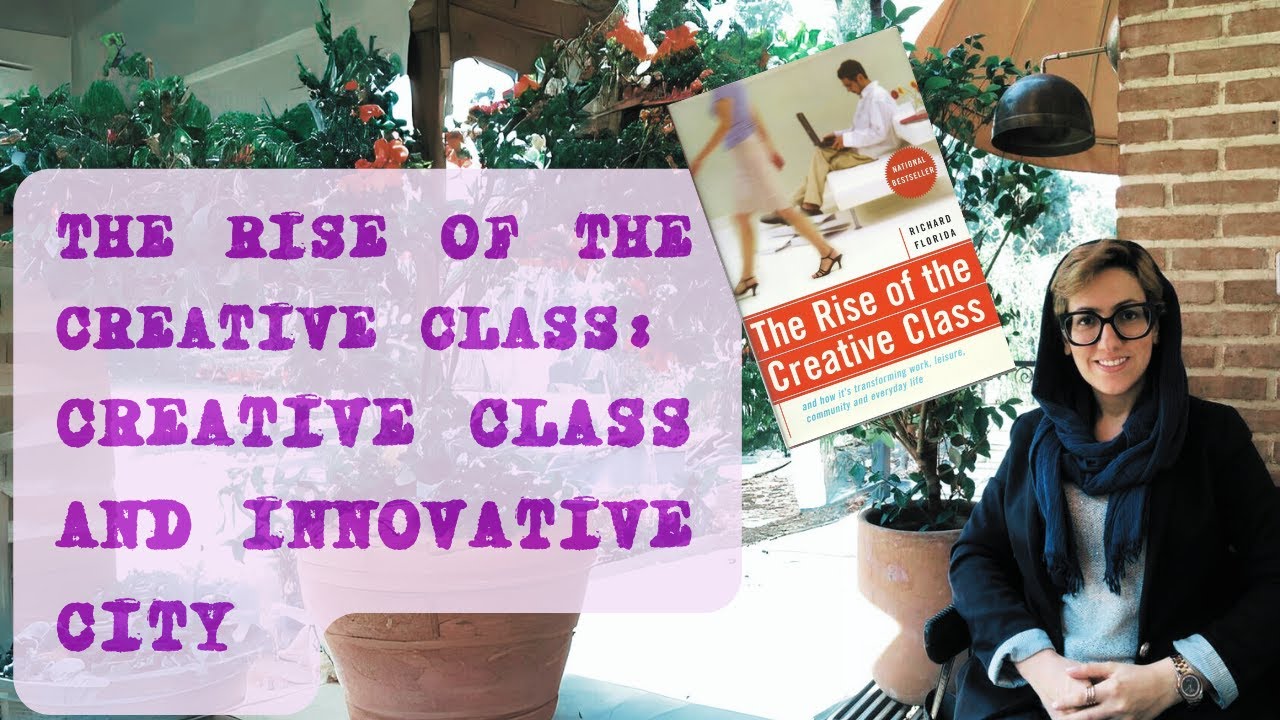
Join us as we explore the transformative insights of Richard Florida's seminal work, "The Rise of the Creative Class."
Introduction to the Creative Class
"Picture a new societal force: the Creative Class. This group, encompassing everyone from artists to engineers, merges innovation, diversity, and education to drive economic growth. The Creative Class shapes the very fabric of our urban environments, transforming them into vibrant ecosystems of creativity and cultural dynamism."
The Shift from Industrial to Knowledge-Based Economies
"Gone are the days of traditional industrial economies. We are witnessing a seismic shift towards economies driven by creativity and intellect. Cities are becoming the hubs of innovative ideas and practices, evolving into ecosystems pulsating with creative energy. This energy attracts and retains bright minds, fueling economic growth and cultural dynamism."
Diversity as the Cornerstone of Innovation
"Diversity isn't just a buzzword; it's the cornerstone of the Creative Class. These individuals thrive in environments that embrace different cultures, lifestyles, and ideas. Cities that foster diversity become melting pots of innovation, driving both economic and cultural growth."
Lifestyle Preferences of the Creative Class
"What does the Creative Class cherish? Beyond job opportunities, they seek cities offering rich, experiential lifestyles. These cities provide the cultural and lifestyle elements that attract and retain creative talents, making them vibrant and inclusive hubs of innovation."
Economic Impact of the Creative Class
"The rise of the Creative Class isn't just a cultural phenomenon; it's profoundly economic. Regions embracing this class see significant growth, innovation, and affluence, transforming into powerhouses of the modern economy. Cities that attract the Creative Class cultivate an ethos of openness, offer diverse experiences, and provide opportunities for creative expression and growth."
Challenges in Cultivating the Creative Class
"Embracing the Creative Class comes with challenges. Cities must balance economic incentives with cultural and lifestyle elements to ensure they remain vibrant, inclusive, and attractive to creative talents. The Creative Class redefines 'work', emphasizing creativity, problem-solving, and innovation, reshaping how we think about jobs and careers."
Policy Implications and Global Impact
"For policymakers, 'The Rise of the Creative Class' is a wake-up call. It urges a rethink of urban development strategies, prioritizing creative capital to build vibrant, sustainable, and prosperous communities. This phenomenon isn't just local; it's global. Cities worldwide are vying to become hubs of the Creative Class, recognizing that the key to future success lies in attracting diverse, innovative minds."
Individual Contributions to Urban Renaissance
"Every individual in the Creative Class plays a role in this urban renaissance. Their choices, from where they live to how they work, collectively shape the cities of tomorrow. Florida's work challenges us to rethink how we develop cities, engage diverse talents, and foster environments where creativity can flourish."
Key Academic Insights
Defining the Creative Class: Identifies a new socio-economic class comprising individuals in various fields who drive innovation and economic growth through creativity.
Economic Shifts: Discusses the transition from traditional industrial economies to knowledge-based economies where creativity and intellectual capital are paramount.
Urban Transformation: Examines the role of cities as epicenters of the Creative Class, attracting talent through open, diverse, and culturally rich environments.
Diversity as a Catalyst: Highlights the importance of diversity and inclusivity in fostering creative environments. Cities embracing diversity thrive economically and culturally.
Lifestyle and Economic Growth: Links the lifestyle preferences of the Creative Class to economic development, suggesting that cities need to offer more than just job opportunities to attract and retain talent.
Implications for Urban Planning and Policy: Suggests a reorientation of urban development strategies, emphasizing the need to create environments that attract the Creative Class.
Global Trend and Local Impact: Positions the rise of the Creative Class as a global trend with significant local implications, reshaping the way cities are planned and developed.
Challenges in Transition: Addresses the challenges cities face in transitioning towards being Creative Class hubs, including balancing economic development with cultural investments.
Future of Work and Economic Dynamics: Explores how the Creative Class is reshaping the nature of work, the workplace, and the economic dynamics of cities and regions.
Conclusion
Stay Curious, Stay Innovative!

Информация по комментариям в разработке