#refractive_cataract_surgery #cataract_surgery_without_glasses #see_clearly_after_cataracts
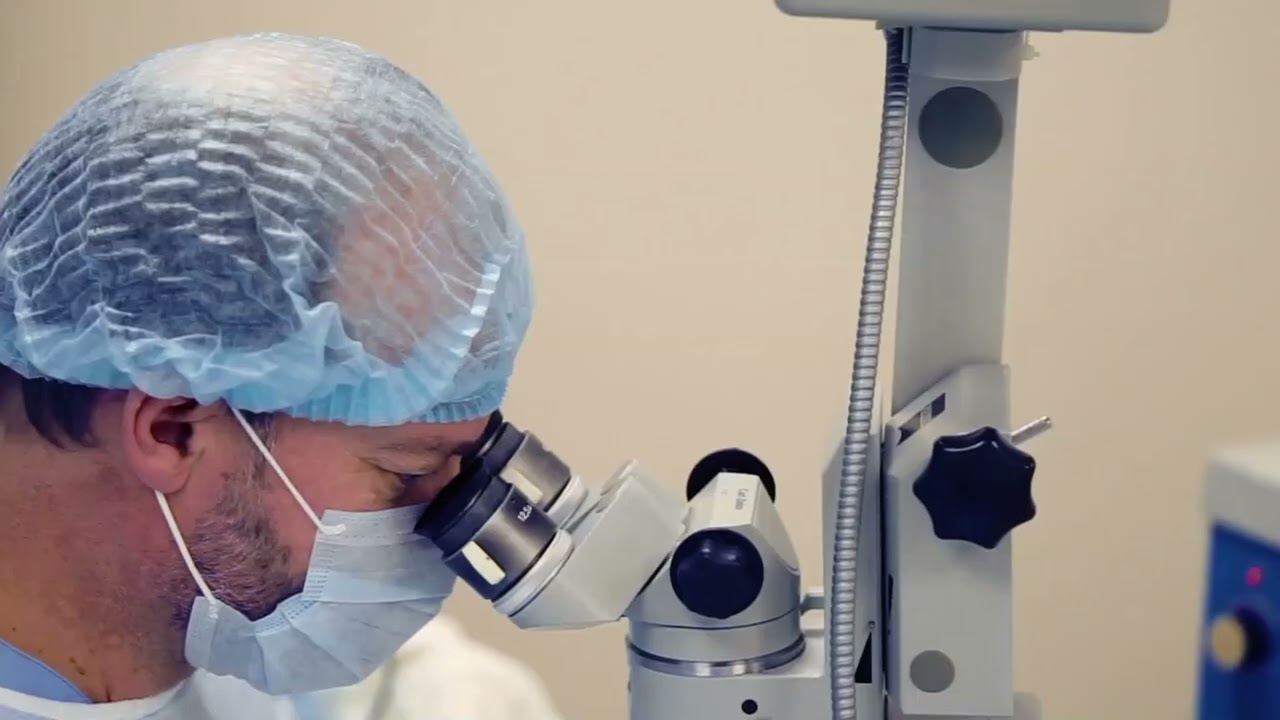
Refractive cataract surgery is an advanced procedure that not only removes cataracts but also corrects common vision problems such as nearsightedness, farsightedness, and astigmatism. Unlike traditional cataract surgery, which focuses solely on replacing the cloudy lens, refractive cataract surgery offers patients the opportunity to significantly reduce or even eliminate their dependence on glasses or contacts. This makes it an appealing choice for individuals with active lifestyles, long-standing vision concerns, or a desire for greater visual independence. The procedure involves removing the eye’s natural cloudy lens and replacing it with a customized intraocular lens (IOL). Options include multifocal lenses for clear vision at multiple distances, toric lenses for astigmatism, and extended depth-of-focus lenses that provide a continuous range of vision with fewer disturbances. Some surgeons also use laser-assisted technology to improve precision and outcomes.
Ideal candidates typically include adults experiencing noticeable cataract symptoms, often in their 50s or 60s, and those who have relied on corrective lenses for many years. Preoperative preparation includes a comprehensive eye exam, measurements for lens selection, and guidance on medications or eye drops. The surgery is usually performed under local anesthesia, is minimally invasive, and requires little downtime, with many patients noticing improved vision within the first 24 hours. Postoperative care involves prescription eye drops and follow-up visits to ensure proper healing.
Refractive cataract surgery offers a dual benefit: it restores clarity by removing cataracts and enhances vision by correcting refractive errors. This combination improves quality of life, making everyday tasks like reading, driving, and outdoor activities easier without glasses. While premium IOLs may involve additional costs and are not always covered by insurance, many patients find the investment worthwhile for long-term visual independence. Making an informed decision requires careful consideration of health, lifestyle, and personal goals, as well as consultation with an eye surgeon. Ultimately, refractive cataract surgery provides a personalized approach to vision correction, helping patients enjoy sharper vision and greater freedom from corrective eyewear.
View full content:
https://drkamranmassoumi.blogspot.com/2025...
About this author:
Dr. Kamran Massoumi, MD, is a distinguished ophthalmologist and the founder of the Oklahoma Eye Institute and Omni Surgical Center in Lawton, Oklahoma, dedicated to bringing world-class eye care to Western Oklahoma. Born in 1967 in Tehran, Iran, Dr. Massoumi comes from a family with deep roots in medicine and public service; his maternal grandfather, a pioneer in Iranian ophthalmology, inspired his early passion for vision care. Fleeing Iran during the Iran-Iraq War at age 16, he settled in California, mastered English, and pursued higher education at the University of California, Berkeley, earning a double major in Medical Physics and Middle Eastern Studies. He then completed medical school at St. Louis University and ophthalmology residency at Case Western University in Cleveland, Ohio. Recognizing the shortage of ophthalmologists in Western Oklahoma, Dr. Massoumi relocated there in 2002, introducing advanced surgical procedures, expanding specialized services, and establishing the Oklahoma Eye Institute in 2014. He later opened Omni Surgical Center to provide accessible, office-based surgical care. Dr. Massoumi’s clinical expertise includes cataract, glaucoma, and laser procedures, with a focus on combining medical excellence and patient-centered care. Beyond medicine, he is a family-oriented individual, with a wife and two daughters, all black belts in Taekwondo, reflecting his lifelong dedication to martial arts. He is also passionate about travel and humanitarian work, having participated in medical missions abroad. Dr. Massoumi’s career is marked by innovation, leadership, and a mission to make Western Oklahoma self-sufficient in eye care, leaving a lasting impact on his community and advancing access to high-quality ophthalmology services.

Информация по комментариям в разработке