16 June 2023. Beijing. 39°C summer, riding under the scorching sun.
Route: Tsinghua East Gate—Peking University East Gate—Zhongguancun—Haidian Huangzhuang—Weigongcun. Immersive experience—Beijing streets in summer.
———
Some foreign friends describe Beijing like this:
Inside the 2nd Ring Road: old hutongs, long history, traditional Chinese culture.
Haidian District: feels like a Soviet city.
Chaoyang District: hey, this bit is kinda like New York.
———
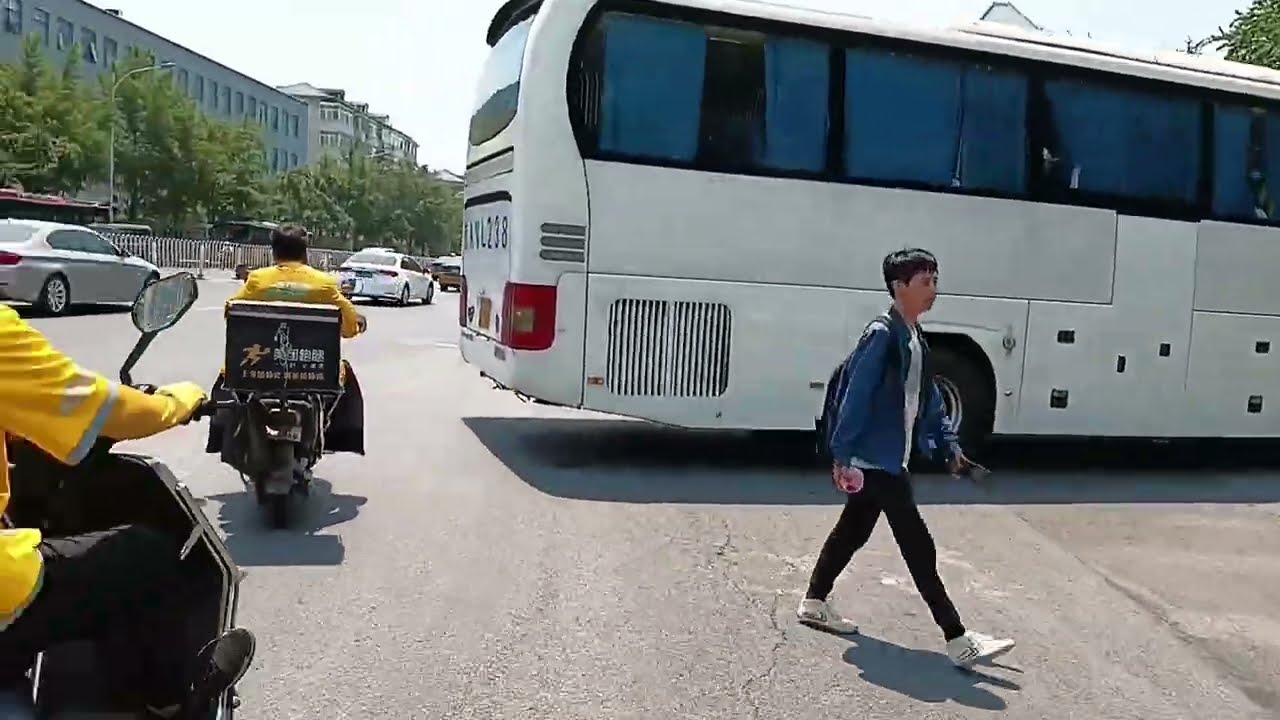
Southerners visiting might ask: Why so few street‑level shops? Why so wide?
An architecture school friend explained: Beijing's urban planning was heavily influenced by the Soviet model—wide roads, large squares, block housing—contrasting with traditional Asian cityscapes. In the 1950s, Moscow's planning blueprint became Beijing's key reference. Following the Soviet model, Beijing was designated not only as political and cultural center but also an industrial base, with orthogonal avenues, ring roads, and radials constructed.
Post‑reform, American planning concepts—expressways, modern office towers—further distanced Beijing from traditional Asian urban forms.
———
Living in Beijing long enough, 10km feels close, 20km not far.
Beyond the 2nd Ring Road, 6‑lane, 8‑lane, 10‑lane roads are common. Daily commuting on foot? Impractical. Cycling? Sometimes possible.
———
Today's ride: starting from Tsinghua East Gate.
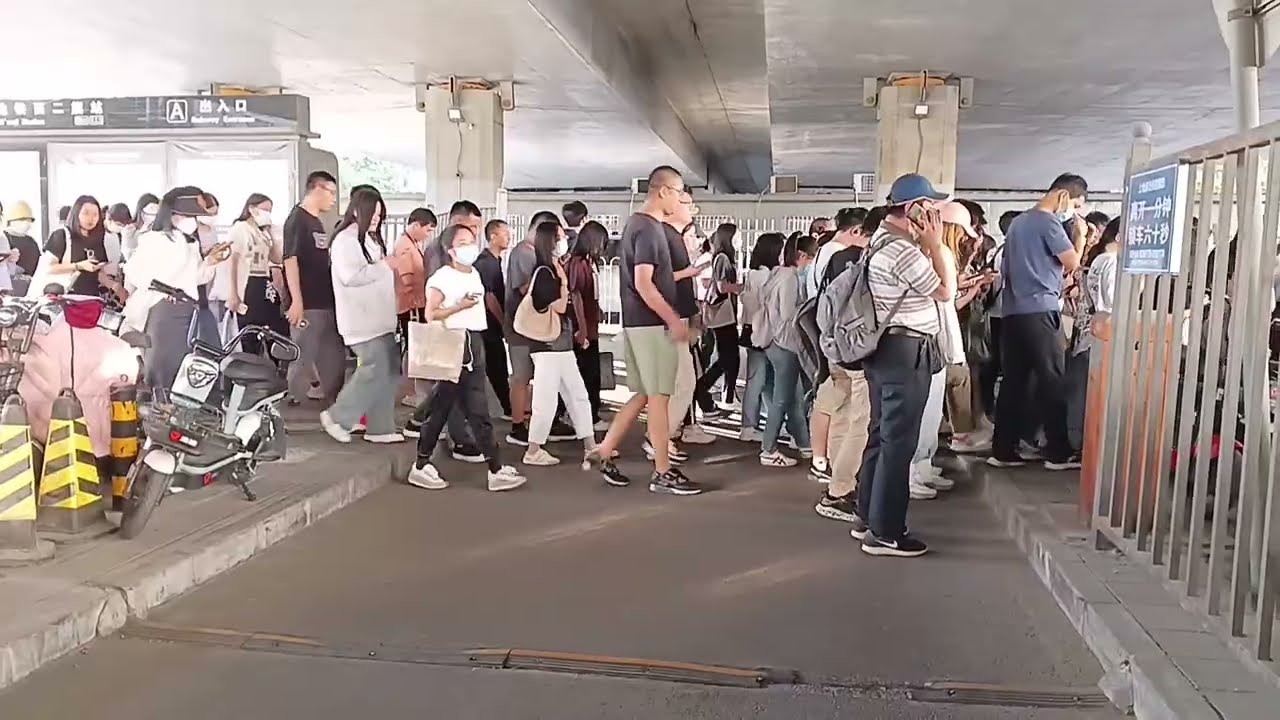
Past Peking University East Gate, into Zhongguancun—China's Silicon Valley. Towering buildings, sunlight glaring off glass facades. Wide roads, heavy traffic. Bike lanes squeezed between机动车 lanes and sidewalks, sometimes blocked by shared bikes.
Haidian Huangzhuang—cram school central. Weekend streets: students and parents hurrying past.
Arriving Weigongcun—university district (Minzu University, Beijing Foreign Studies University). More restaurants, more street life.
———
A realization:
If you always drive, take subways, never walk or cycle, you never truly feel a city's texture. Most of the city becomes just a name on a subway map, a cluster of buildings glimpsed from an elevated highway, a background you coexist with but never inhabit. You're in the city, but never truly part of it.
———
Where do we begin to understand a city?
With its wide roads—the Soviet‑era urban skeleton.
With its bike lanes—fragmented, contested, but still rideable.
With its summer—sweat under 39°C, slivers of shade.
#先出发再说 #慢下来看世界 #我骑行我健康我快乐 #就这样骑进夏天吧 #城市骑行 #骑行改变生活 #爱生活爱骑行 #拍出电影感 #发现新世界 #分享给有艺术细胞的你 #北京 #用摄影在街头记录时代 #中关村 #魏公村
#JustRide #SlowDownSeeTheWorld #CyclingLife #RideIntoSummer #UrbanCycling #CyclingChangesLife #LoveCycling #Cinematic #DiscoverNewWorlds #ForTheArtisticSoul #Beijing #DocumentingEra #Zhongguancun #Weigongcun #WanderingWithYeJun #YeJunsWorld #NotesOfAWanderer #WhereToBegin
2023年6月16日,北京。39度的夏天,暴晒下骑行。路线:清华东门—北大东门—中关村—海淀黄庄—魏公村。沉浸式体验,看看夏天的北京街景什么样。
———
有些外国朋友这样形容北京:
在二环以内:有很多胡同,有悠久的历史,可以体验中国传统文化。
在海淀区:北京是一个苏联城市。
在朝阳区:嘿,这块儿还挺像纽约。
———
在中国南方生活久了的人来了,可能会问:怎么看不到密集的沿街商铺?怎么路这么宽?
学建筑的同学简要地回答过这些疑问:北京的城市建筑受到苏联影响,如宽马路、大广场和筒子楼,这与传统的亚洲城市风貌形成对比。1950年代,莫斯科城市规划模式成为北京的重要参照,苏联专家在规划思路上发挥了突出作用。当时,按照苏联模式,北京除了作为政治文化中心,也要成为工业基地,修建了正交大道、环路和放射路。
改革开放后,北京又借鉴了美国的城市规划理念,如快速路、高速路和现代写字楼,进一步远离了传统亚洲城市的建筑风格。
———
在北京生活久了,你会觉得10公里很近,20公里不算远。
二环以外的区域经常是6车道、8车道、10车道。日常通勤的话,步行变得不现实,骑行在某些场景还能试试。
———
今日骑行,从清华东门出发。经过北大东门,进入中关村。这里是中国的硅谷,高楼林立,写字楼反射着刺眼的阳光。路很宽,车很多,骑行道被挤在机动车道和人行道之间,有时还被停在路边的共享单车阻断。
海淀黄庄,补习班扎堆的地方。周末的街上,能看到背着书包的学生和家长匆匆走过。
最后到达魏公村。这里是高校聚集区,中央民族大学、北京外国语大学都在附近。街边的餐馆多了起来,有了些烟火气。
———
发现一个现象:如果永远都是开车、坐车、乘地铁,没有步行和骑行,一个人将很难真正感受到一个城市的肌理。城市的绝大部分地区将会是地铁隧道中的一个名字,是高架桥上向下俯瞰的一处楼群,是与自己同处一座城市却终身无法涉足的一块背景板。你身处于这座城市之中,却很难称得上与这个城市真正融合在了一起。
———
我们从何处开始了解一座城市?
从它的宽马路开始——从苏联规划留下的城市骨架。
从它的骑行道开始——从那些被挤占的、断续的、但还能骑的路。
从它的夏天开始——从39度暴晒下的汗水,从树荫下那一小片凉。
#先出发再说 #慢下来看世界 #我骑行我健康我快乐 #就这样骑进夏天吧 #爱生活爱骑行 #把生活拍出电影感 #分享给有艺术细胞的你#应该从哪里开始了解一座城市 #单车环游城市的治愈日常 #首都一日游最强攻略







![[北京] 老北京的胡同到底長什麽樣?| 4K Walking Tour | 環境音](https://i.ytimg.com/vi/wsEIPBD2exw/maxresdefault.jpg)


Информация по комментариям в разработке