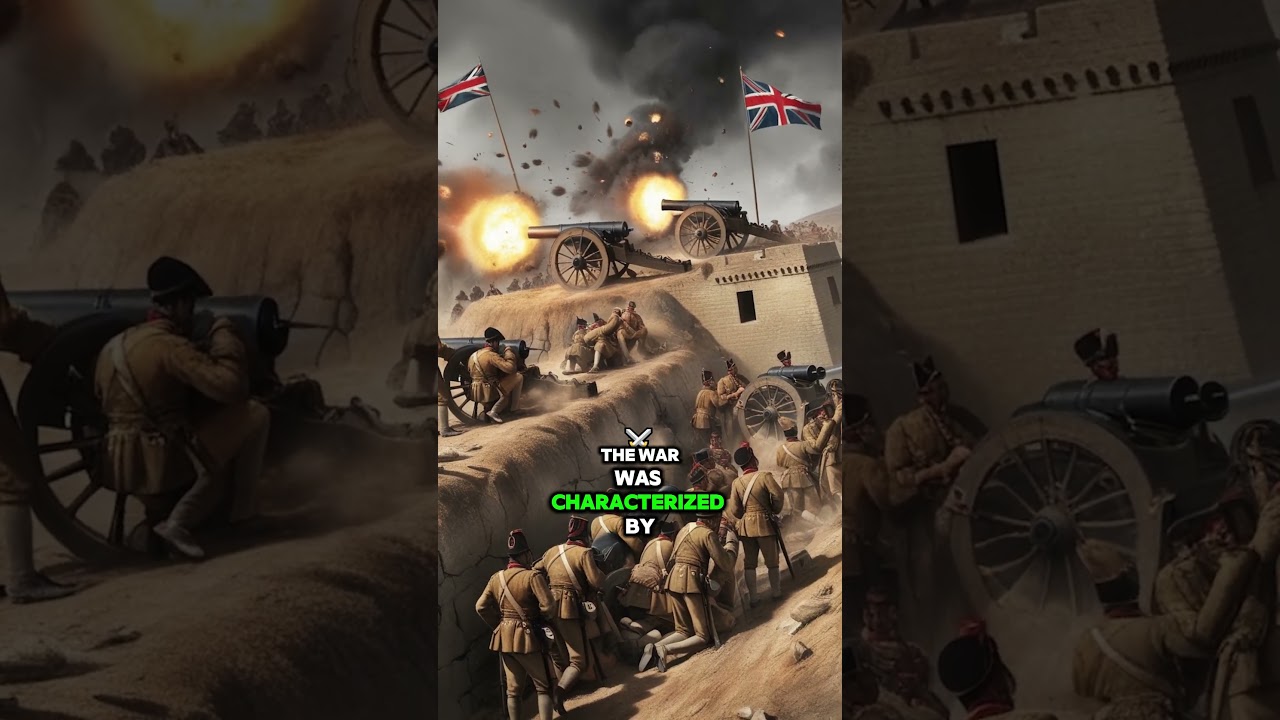
Throughout history, wars have shaped the course of nations, economies, and societies, often arising from complex causes such as territorial disputes, political ideologies, economic interests, and religious differences. Some of the most significant wars have had profound and lasting effects on the world. The Napoleonic Wars, for instance, stemmed from Napoleon Bonaparte’s ambitions to expand French territory and spread revolutionary ideals across Europe, ultimately leading to his defeat and reshaping European borders. The American Civil War was fueled by deep divisions over slavery and states' rights, resulting in the preservation of the Union and the abolition of slavery. World War I, often referred to as "The Great War," was triggered by the assassination of Archduke Franz Ferdinand and driven by nationalism, imperialism, and complex alliances, leading to massive casualties and the redrawing of the world map. Its aftermath set the stage for World War II, one of the deadliest conflicts in history, caused by the rise of totalitarian regimes and unresolved tensions from the previous war. The Cold War, while not a direct military confrontation, was a prolonged period of geopolitical tension between the United States and the Soviet Union, fueled by ideological differences between capitalism and communism, leading to proxy wars, the space race, and the eventual collapse of the Soviet Union. These wars, and others like the Vietnam War, Korean War, and the Gulf Wars, have shaped global politics, redefined national borders, and left lasting legacies of both destruction and transformation. Each conflict offers important lessons about the human cost of war, the complexities of international relations, and the enduring desire for peace and stability.
Информация по комментариям в разработке