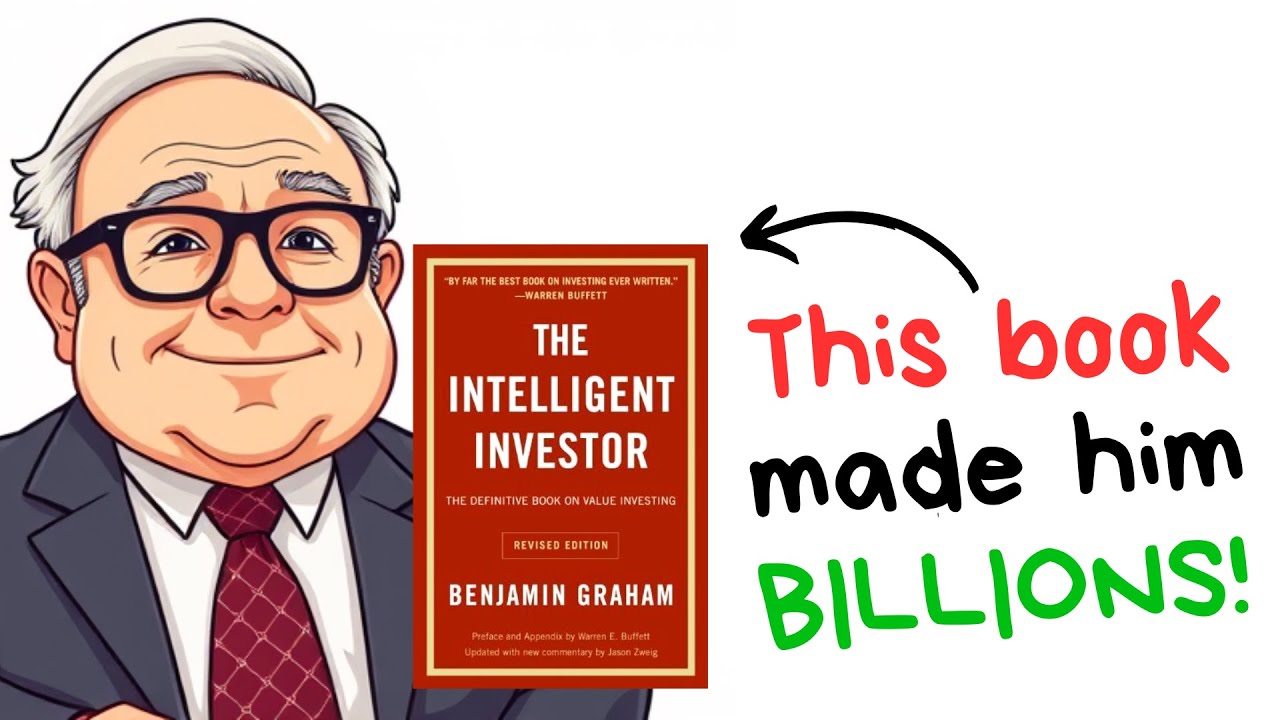
The Intelligent Investor by Benjamin Graham | 10-Minute Detailed Summary
Welcome to our comprehensive 10-minute summary of The Intelligent Investor by Benjamin Graham, one of the most influential books on investing ever written. Known as the "father of value investing," Graham shares time-tested strategies to help you make sound financial decisions, avoid market traps, and grow your wealth steadily over time.
This detailed summary is perfect for both beginners looking to start their investing journey and seasoned investors seeking to refine their approach. Here, we’ll cover the key principles, strategies, and lessons from this classic guide.
Key Lessons from The Intelligent Investor
1. The Difference Between Investing and Speculating
Graham begins by distinguishing investors from speculators. Investors focus on long-term growth, thorough analysis, and protecting their capital. Speculators, on the other hand, chase quick profits and take on unnecessary risks. Graham emphasizes that true investors never gamble on the stock market—they rely on strategy, research, and discipline.
Takeaway: Approach the market with a long-term mindset. Don’t let emotions drive your decisions.
2. Understanding Mr. Market
Graham introduces the metaphor of “Mr. Market” to explain the stock market’s behavior. Imagine the market as an emotional business partner who shows up every day offering to sell you shares or buy them back. Some days, Mr. Market is overly optimistic, pricing shares too high. On other days, he’s pessimistic, pricing them too low.
Takeaway: Use Mr. Market’s emotions to your advantage. Buy when stocks are undervalued, and don’t panic during downturns.
3. The Margin of Safety
One of the book’s core principles is the "margin of safety." This means investing in stocks that are priced well below their intrinsic value, providing a cushion against unforeseen risks or errors in judgment. The margin of safety protects you from losses and gives your investment room to grow.
Takeaway: Always buy with a safety net in mind to minimize risk.
4. Defensive vs. Enterprising Investors
Graham identifies two types of investors:
Defensive Investors: These are cautious individuals who prioritize safety and minimal effort. They focus on creating a balanced portfolio of high-quality stocks and bonds, avoiding speculative moves.
Enterprising Investors: These investors are willing to put in more effort, conduct detailed research, and take calculated risks to achieve higher returns.
Takeaway: Know which type of investor you are, and stick to a strategy that aligns with your temperament and goals.
5. Focus on Value, Not Price
Value investing, Graham’s signature approach, involves identifying stocks that are undervalued by the market. Instead of chasing trends or hot stocks, value investors look for companies with strong fundamentals, solid earnings, and a potential for growth.
Takeaway: Don’t confuse a stock’s price with its value. Look beyond the numbers to find true bargains.
6. The Power of Patience and Discipline
Investing is not about timing the market but about time in the market. Graham stresses that successful investors remain patient and disciplined, holding onto their investments through market fluctuations. Emotional decisions, such as panic-selling during a downturn or overbuying in a boom, often lead to losses.
Takeaway: Stay calm, stick to your plan, and avoid impulsive decisions.
Key Strategies for Intelligent Investors
Diversify Your Portfolio
Graham advocates for diversification to reduce risk. A well-balanced portfolio includes a mix of stocks and bonds, tailored to your risk tolerance and financial goals.
Do Your Homework
Investing requires thorough research. Study a company’s financial statements, management quality, and market position before making any decisions. Avoid relying on tips, trends, or speculation.
Embrace Market Volatility
Volatility is not your enemy—it’s an opportunity. Use market dips to buy undervalued stocks and stay invested during uncertain times.
Be Wary of Forecasts
Nobody can accurately predict market movements. Graham advises against relying on market forecasts or chasing “hot” industries. Stick to proven principles instead.
Common Pitfalls to Avoid
Overconfidence: Many investors overestimate their ability to beat the market, leading to reckless decisions. Stay grounded and realistic.
Following the Crowd: Herd mentality often leads to buying overpriced stocks or panic-selling during crashes. Think independently.
Neglecting Fundamentals: Always base your decisions on a company’s real value and not just on hype or speculation.
Why The Intelligent Investor Still Matters
Published in 1949, The Intelligent Investor remains a cornerstone of financial wisdom because its principles are timeless. The concepts of value investing, disciplined decision-making, and protecting your capital are just as relevant today as they were decades ago.

Информация по комментариям в разработке