العلاج الأولي المعتمد على التصوير للنوبات القلبية يركز على استخدام تقنيات التصوير المتقدمة لتقييم الشرايين التاجية المسدودة بسرعة ودقة خلال حالة قلبية حادة. تقنيات مثل تصوير الشرايين التاجية (الأنجيوغرافيا)، والتصوير المقطعي للقلب، وأدوات التصوير الأخرى تساعد الأطباء على تحديد الموقع الدقيق وشدة الانسداد، مما يتيح اتخاذ قرارات سريعة ودقيقة. التصوير المبكر يلعب دوراً حاسماً في تأكيد الإصابة بنوبة قلبية وتوجيه التدخل الفوري.
هذا النهج يساعد على تحسين نتائج المرضى من خلال تمكين إجراءات في الوقت المناسب مثل رأب الأوعية الأولي أو وضع الدعامات لاستعادة تدفق الدم إلى القلب. الرعاية الموجهة بالتصوير تقلل من المضاعفات، تحمي عضلة القلب، وتزيد من معدلات البقاء على قيد الحياة. في هذا الفيديو، نشرح كيف يُستخدم التصوير في الإدارة المبكرة للنوبات القلبية ولماذا العلاج السريع المعتمد على الصور حاسم لإنقاذ الأرواح وتحسين التعافي.
___________________________________________________________________________________
________
تُعد مستشفيات أبولو المجموعة الرائدة في مجال المستشفيات متعددة التخصصات في الهند. كما أن لها حضوراً في عدة دول في منطقة آسيا والمحيط الهادئ.
يقدّم أكثر من 8000 طبيب رعاية صحية من الطراز الأول في أكثر من 70 مستشفى تابع للمجموعة في 27 مدينة.
تتخصص مستشفيات أبولو في: أمراض القلب، جراحة العظام، العمود الفقري، طب الأعصاب وجراحة الأعصاب، أمراض الجهاز الهضمي، أمراض النساء، الأورام، زراعة الأعضاء، العناية المركزة (ICU)، خدمات الطوارئ، الطب الوقائي، الجراحة الروبوتية، جراحة السمنة، أمراض الكلى والمسالك البولية، وجراحة القولون والمستقيم.
Apollo Hospitals is the leading multi-specialty hospitals group in India. It is also present in several countries in the Asia-pacific region. Over 8000 doctors provide best in class treatment at the group’s 70+ hospitals in 27 cities.
It specializes in - Cardiology, Orthopaedics, Spine, Neurology & Neurosurgery, Gastroenterology, Gynecology, Oncology, Transplants, ICU, Emergency, Preventive Medicine, Robotics, Bariatric Surgery, Nephrology & Urology and Colorectal Surgery.
Follow Apollo Hospitals on Social Media for Regular Updates:
Facebook/ / theapollohospitals
Twitter/ / hospitalsapollo
Instagram/ / theapollohospitals
Linkedin/ / apollo-hospitals
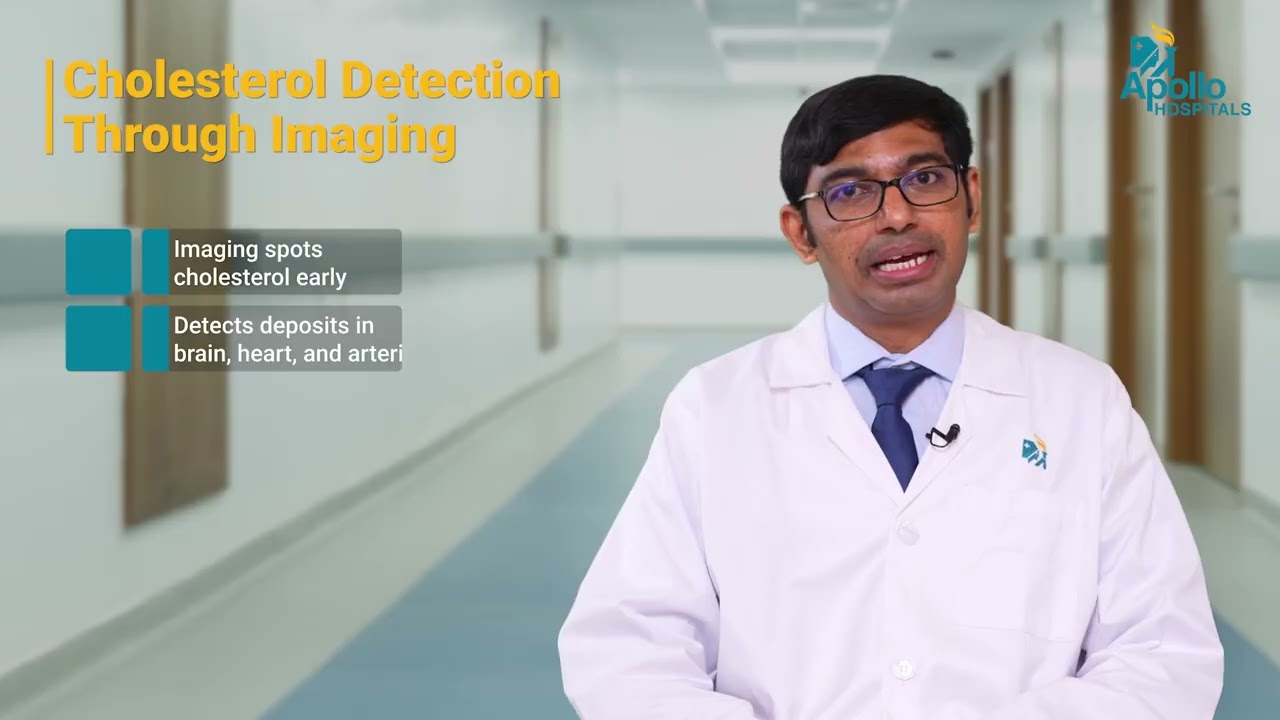
Namaste. I'm Dr. Vijay Kumar Subban, Senior Interventional Cardiologist at the Apollo Mine Hospitals, Chennai. We'll be talking about imaging-based primary prevention of heart attacks. We all know heart attack is a deadly illness and we all like to prevent that from happening for us. So traditionally, we practice this prevention, that means giving medications for cholesterol and aspirin. based on an approach called risk factor based approach. We use our age, gender, diabetes, melitis, hypertension, smoking, obesity, family history, these type of risk factors for allocating our treatment for prevention of heart attack. However, we come across patients with multiple risk factors. They never experienced heart attack in their lifetime. In contrast, One third of the patients with absolutely normal risk factor profile still end up having heart attack. And to prevent this and not to miss those are high risk for having heart attack, they're currently introduced an approach called imaging based approach to primary prevention. So like what we do for cancer treatment, where we see early breast cancer by mammography or early colon cancer by colonoscopy. We see early cholesterol deposits in the blood vessels of the brain, heart, and the peripheral arteries by using imaging. We use ultrasound imaging for imaging our brain and peripheral blood vessels and cardiac CT for imaging our cardiac blood vessels. By this way, we identify early deposits of cholesterol in these areas. And if there is no deposit, the chance of you having heart attack is very low. In case you have deposits, your risk increases with the amount of deposits you have. So more the deposits, more the risk of heart attack, and you end up taking maximum preventive medications. So by using this approach, the chance of over treating somebody who is at low risk and under treating someone who is at high risk can be totally avoided. And this should be the way to go in the evaluation and treatment of primary prevention of your heart attacks.

Информация по комментариям в разработке