The Plough Inn: A Tale of Heritage, Demolition, and Recycling
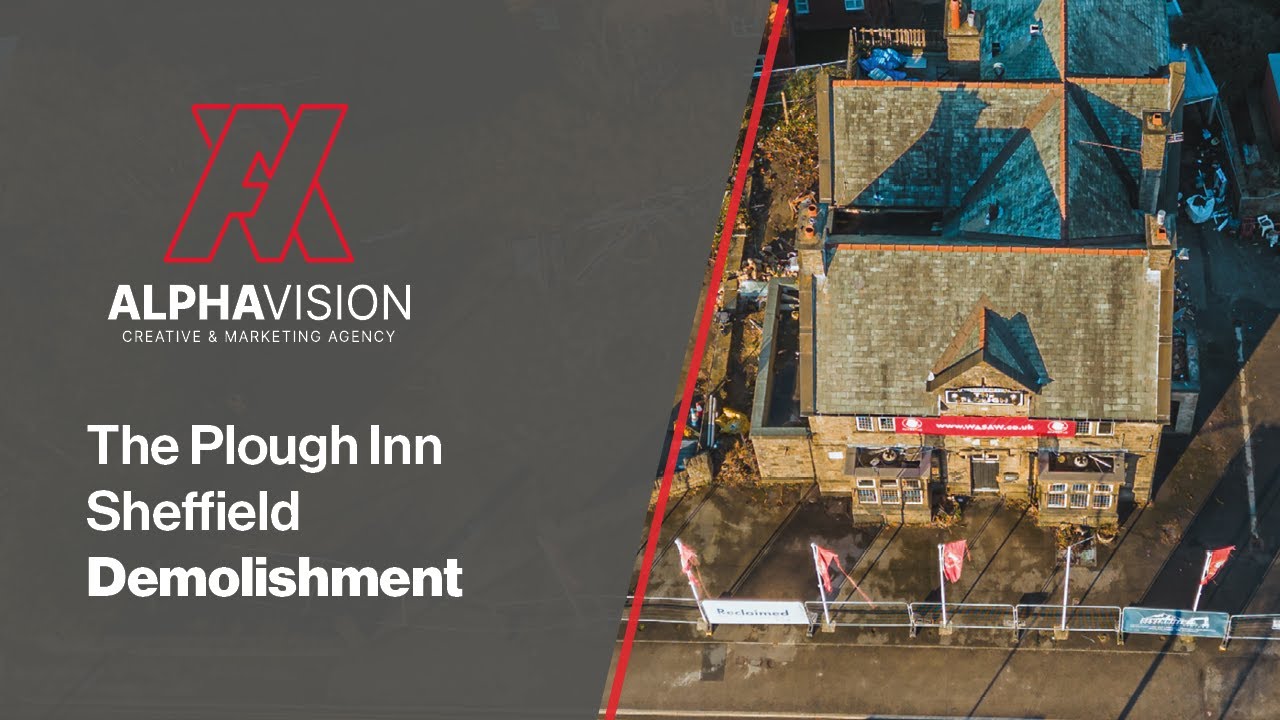
Recently, we teamed up with Sevenhills Demolition and Reclaimed Brick Company to document the demolition of the Plough Inn. While it may seem like a sad occasion, the project has allowed us to capture the history and legacy of the pub, we were able to show the recycling of the materials as well as the demolishment of the pub.
We are proud to be a part of this project and to have had the opportunity to document the various stages of the demolition. By doing so, we hope to preserve the memory of the Plough Inn and all that it represented.
History
The Plough Inn, a historic pub in Sheffield, had been a part of the city's culture for many years. It was listed as an asset of community value by the council, and campaigners had raised £435,000 in an attempt to buy it and run it for the community. However, plans to build eight new three-bedroom townhouses were approved by a planning inspector, leading to the demolition of the pub. The project was taken on by Seven Hills Demolition & Reclaimed Brick company , and it was a technical challenge that required their expertise. The project began with the removal of the pub's interior structure, including the wiring, plumbing, flooring, bar, and dividing walls. The team faced a significant challenge in removing the roof and brickwork from the side of the pub that was surrounded by apartments. Diggers were unable to gain access to the front side of the property due to the basement of the pub. However, the team worked hard to find a solution and managed to take down the other side of the pub, before removing all the material from the site and recycling it.
The Reclaimed Brick company played a significant role in the project by recycling every brick, alongside selling a small amount to the community as other memorabilia of the pub.This approach ensured that the pub's legacy continued to live on even after its demolition. The demolition of the Plough Inn was a challenge, but it was also an emotional experience. The pub was a historic landmark in Sheffield, and its demolition represented a loss to communities far and wide. The lack of policy on dated buildings was seen as a disadvantage for community groups like theirs. The demolition of the Plough Inn reminds many that dated buildings, that may hold sentimental values to members of the community, are at risk of being lost. The Plough Inn dates to the 17th century, although the pictured building was constructed in 1929. Just shy of 90 years constructed, the pub closed its doors for the final time in 2015. Several plans have since been proposed for development on the site, with plans to open a supermarket store rejected by the council in 2017. Members of the community were given the opportunity to put together a bid; however, the then-owners rejected the offer and sold it to Spacepad LTD which secured permission to bulldoze the pub and build homes on the plot. Campaigners expressed disappointment at the decision to allow the pub's demolition, but the planning inspector's decision to allow the development was based on the tilted balance in favour of housing developments due to the council being unable to meet the government's five-year deliverable housing supply target. The pub was not only a popular watering hole for locals, but it also played a significant role in the history of football. It was at the original Plough Inn where the modern rules of the game were first drawn up, making it a crucial part of Sheffield's sporting history. The Plough Inn's story is also a reminder of the challenges faced by community groups who are fighting to save dated buildings that add to Sheffield’s legacy.

Информация по комментариям в разработке