The Gulf Railway Project, also known as the GCC Railway, is a highly ambitious plan to connect the six Gulf Cooperation Council (GCC) countries through a vast and state-of-the-art railway network. This mega-project is expected to revolutionize regional transportation, business, and politics in the Middle East. Spanning over 2,100 kilometers, this colossal infrastructure project will link Saudi Arabia, Qatar, UAE, Oman, Kuwait, and Bahrain.
With an estimated budget of a staggering $250 billion, this project is set to be one of the largest railway construction projects in the world. But the project’s scale doesn’t stop at just connecting cities—it’s part of a larger vision for regional integration, economic growth, and trade efficiency. 🚂
The project’s primary aim is to enhance commerce, ease the movement of citizens, and facilitate bulk freight transportation across the Middle East. It will create a direct rail link from Kuwait all the way down to Muscat, with key urban centers like Riyadh, Dubai, and Kuwait City connected along the way. Imagine trains traveling at speeds of up to 220 km/h for passengers and 100 km/h for freight 🚅.
But will this grand plan succeed? The $250 billion cost includes building national networks in each of the six countries and smaller access lines to ports and metro systems, such as the one in Riyadh. The combination of desert terrain and mountainous regions poses significant challenges in terms of both construction and cost. 💰
Why Is This Project So Important?
The Gulf Railway Project isn’t just about transportation. It’s about creating a seamless connection for businesses, allowing goods to move faster across the region. This network could enhance the Gulf’s competitive edge in global trade, with more efficient transport links to Europe, Asia, and beyond 🌍.
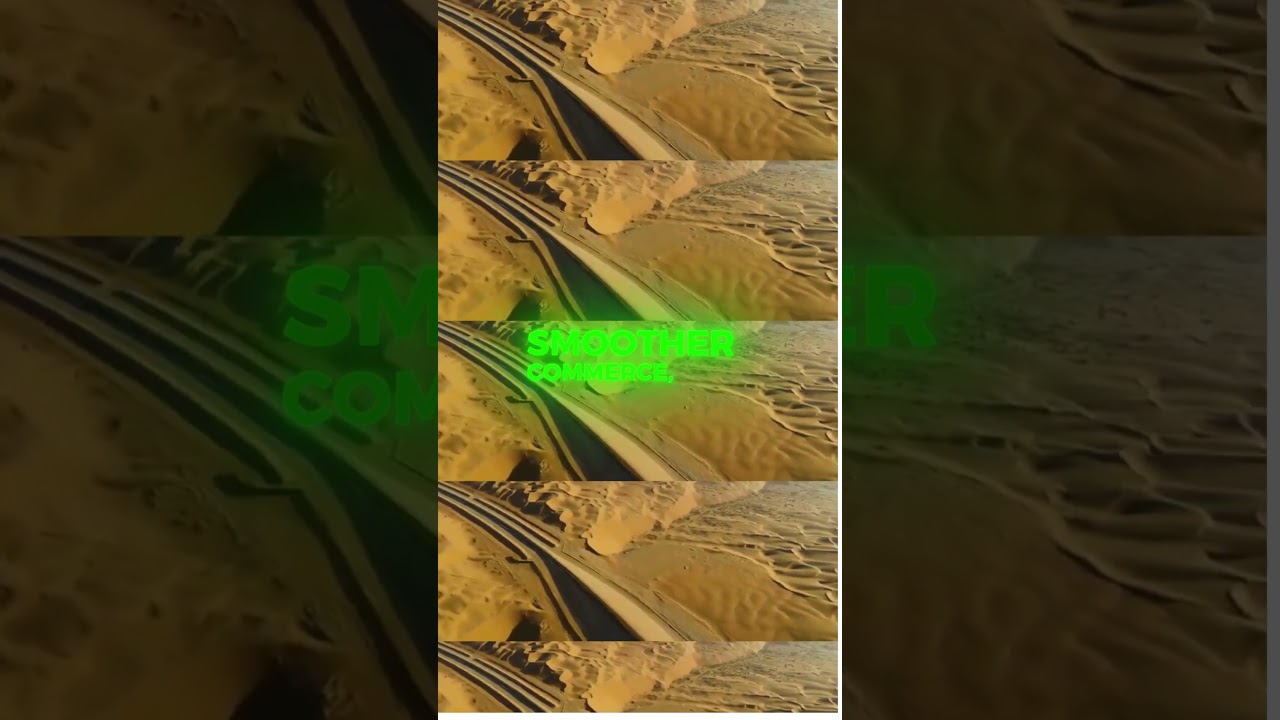
Moreover, it will allow countries in the region to tap into economic opportunities that were previously harder to access due to slow or limited transport options. By providing smoother routes for cargo and passengers, the Gulf Railway will act as a catalyst for regional development. 🚄
However, the political landscape in the Gulf has had its fair share of challenges, and these hurdles have slowed the project’s progress. From the Saudi-led blockade of Qatar to fluctuating oil prices, the road ahead may be bumpy. But with recent efforts to speed up the project’s completion, including the establishment of the GCC Railway Authority, there's renewed hope that the railway will be completed by 2030. ⏳
As this project unfolds, it will not only impact the Middle East but could also serve as a model for future infrastructure projects in other parts of the world. The $250 billion investment is truly a game-changer for the region, promising to transform economies and redefine the future of cross-border rail travel.
So, what’s next for this mega project? Will it make the 2030 deadline, or will it face more political delays? One thing is certain: the Gulf Railway Project is a monumental step forward for the Middle East and a huge economic opportunity for the world 🌎.
Stay tuned for more updates and insights into this fascinating journey! 🚆
Tags:
Gulf Railway Project, GCC Railway, GCC Infrastructure, Middle East Railway, 250 billion railway, Gulf Cooperation Council, Railway Construction, Desert Railway, Saudi Railway, Qatar Rail, UAE Rail, Oman Rail, Kuwait Rail, Bahrain Rail, Train Project, High-Speed Rail, Railway Network, GCC Connectivity, Global Trade Routes, Middle East Trade, Cross-Border Rail, Train Network, Future of Rail, Middle East Transportation, Rail Infrastructure, GCC Economic Integration, $250 Billion Project, Middle East Rail Construction, Railway System, Regional Integration, Railway Mega Project, Future Rail Projects
Hashtags:
#GulfRailway #GCCRailway #MegaProject #MiddleEastRailway #FutureOfRail #GCCInfrastructure #TrainNetwork #DesertRailway #RailwayMegaProject #SaudiRailway #QatarRail #UAE #OmanRail #BahrainRail #GlobalTrade

Информация по комментариям в разработке