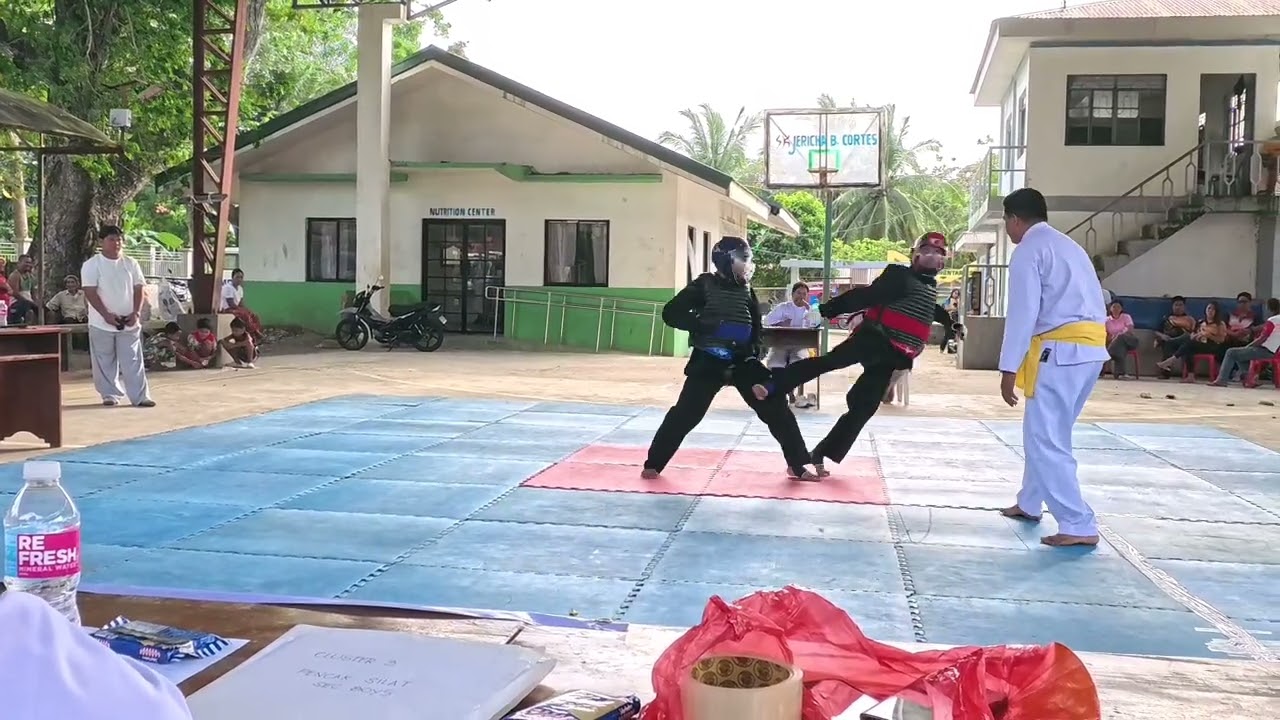
Pencak Silat is a traditional martial art from Southeast Asia, especially associated with Indonesia, but also practiced in Malaysia, Brunei, Singapore, southern Thailand, and parts of the Philippines. It’s not just a fighting system—it blends combat, culture, philosophy, and spirituality.
Origins & History
The roots of pencak silat go back over 1,000 years.
It developed from indigenous fighting techniques used by local communities for self-defense, hunting, and warfare.
Over time, it absorbed influences from Indian, Chinese, and Middle Eastern cultures, especially through trade and the spread of religion.
Different regions created their own styles (called aliran or perguruan), leading to hundreds of distinct schools.
Meaning of the Name
“Pencak” usually refers to the artistic, formal movements.
“Silat” refers to the practical fighting and self-defense application.
Together, they represent the balance between beauty and effectiveness.
Characteristics & Techniques
Pencak Silat includes:
Strikes (punches, kicks, elbows, knees)
Joint locks and throws
Ground fighting
Weapon training, such as:
Keris (dagger)
Golok or parang (machete)
Staff and sword
Emphasis on fluid movement, low stances, timing, and adaptability
Philosophy & Cultural Role
Strong focus on discipline, respect, humility, and self-control
Often linked with spiritual practices and traditional rituals
Movements are sometimes inspired by animals (tiger, crane, snake)
Performed in cultural ceremonies, dances, and festivals
Modern Era
In 2019, UNESCO recognized Pencak Silat as an Intangible Cultural Heritage of Humanity.
It is practiced both as a martial art and a competitive sport, with international tournaments.
Pencak Silat is featured in events like the SEA Games and has global federations promoting it worldwide.
#pencaksilat
#provincialmeet2026
#ProvincialMeet
#CawayanMasbate
Информация по комментариям в разработке