#museum #museumonline #museumvlog
Qingzhou Museum is a comprehensive museum located in Qingzhou, Shandong Province, China. Its predecessor, Yidu County Museum, was founded in 1959 on the site of the ancestral hall of Feng Pu, a Grand Scholar of the Wenhua Palace during the Kangxi reign of the Qing Dynasty. In 2008, Qingzhou Museum was designated as one of the first batch of "National First-Class Museums," making it the only county-level comprehensive museum among the 83 museums in this prestigious category.
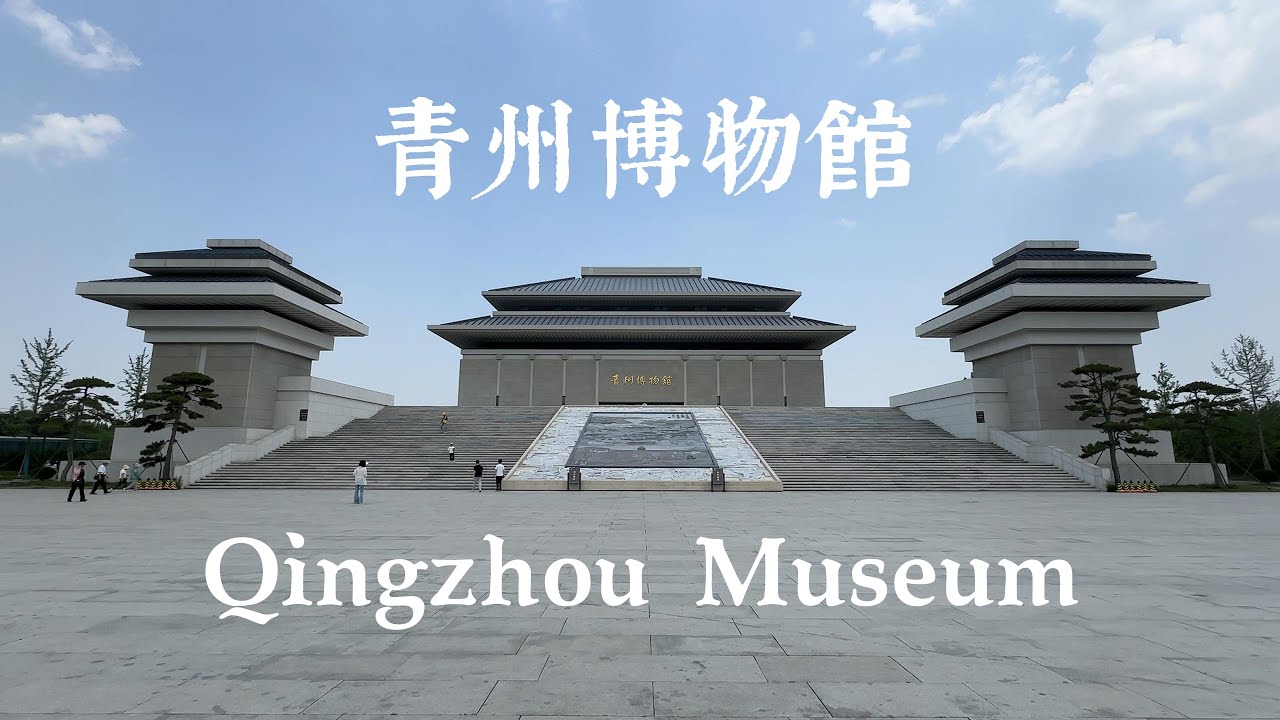
On May 15, 2023, Qingzhou Museum unveiled its stunning new building, marking a significant milestone in the museum's history. The new building, with a total floor area of 50,934 square meters, stands as a testament to the harmonious blend of traditional Chinese architectural elements and modern design sensibilities.
Qingzhou Museum houses over 60,000 artifacts, including more than 3,000 national treasures. The newly expanded exhibition area is divided into eight thematic halls: Qingzhou History Hall, Longxing Temple Buddhist Sculpture Hall, Youlin Hengwang Mansion Hall, Xiangshan Han Tomb Pottery Figurines Hall, Stone Carving Art Hall, Ceramics Hall, Calligraphy and Painting Hall, and Temporary Exhibition Hall. Utilizing a variety of images, texts, and advanced technologies such as sound and light effects, the museum allows visitors to deeply understand the cultural value and historical significance of the exhibits.
Among the highlights is Zhao Bingzhong's palace examination paper from the 26th year of the Wanli period of the Ming Dynasty, which fills a gap in the Ming Dynasty's court archives and is unique both domestically and internationally. Other rare treasures include the Eastern Han Dynasty jade bi inscribed with "宜子孙" (Yi Zi Sun) and a Warring States Period jade figure. The painted pottery and figurines unearthed from the Xiangshan Han Tomb are among the best-preserved examples of their kind in China.
The most renowned collection comprises over 400 Buddhist statues unearthed from the Longxing Temple site in 1996. These statues, dating from the Northern Wei to the Northern Song Dynasty, span 500 years. Known for their large quantity, variety, exquisite carving, and well-preserved gilding and painting, this collection has garnered significant attention both domestically and internationally. It has been recognized as one of the "Top Ten Archaeological Discoveries of 1996" and one of the "100 Major Archaeological Discoveries in China in the 20th Century," hailed as masterpieces that redefine the history of Eastern art. These statues have been exhibited in major museums worldwide, serving as a bridge for Qingzhou to reach the global stage and are outstanding representatives of ancient Chinese sculpture art, leaving viewers in awe wherever they are displayed.

Информация по комментариям в разработке