Founded on January 22nd, 1894 after the land run of 1893, Maramec was originally named Crystal, for a nearby spring. The town name was changed to Maramec, in honor of the civil war iron clad in April of 1903, and the town was moved a mile north with the arrival of the railroad. The railroad's need for water resulted in the creation of the Maramec lake in 1903, which also serverd as a popular recreation destination for many years, where people would swim, boat, and picnic.
Maramec was a thriving agricultural community through its early years. The railroad built a water tower, coal chute, stock yard and depot. The town established a bank, a newspaper, cotton gin, a variety of stores, and three hotels. Oil discovered in the area in 1920 gave the town a brief boost, but a slow decline had begun. The bank failed during the depression in 1933. Passenger rail service was stopped in the 1940s, and by 1958, the high school had closed. Highways bypassed the town, and farm consolidation, with the associated population loss, continued the decline.
The bank building was used for a variety of purposes, including a drug store and a post office. The Maramec bank was listed on the national historic register in 2007, but unfortunately, registration does guarantee preservation, as the old stately building has all but crumbled.
The IOOF cemetery south of Maramec, established in 1907, is still in use. James Dunlavy, who is buried in the cemetery, was awarded the Medal of Honor for his capture of a Confederate general when he was a private during the Civil War. He later became a doctor, known locally as Dr. J.D. The marker indicating his award of the medal was placed many years after his death by the Medal of Honor society.
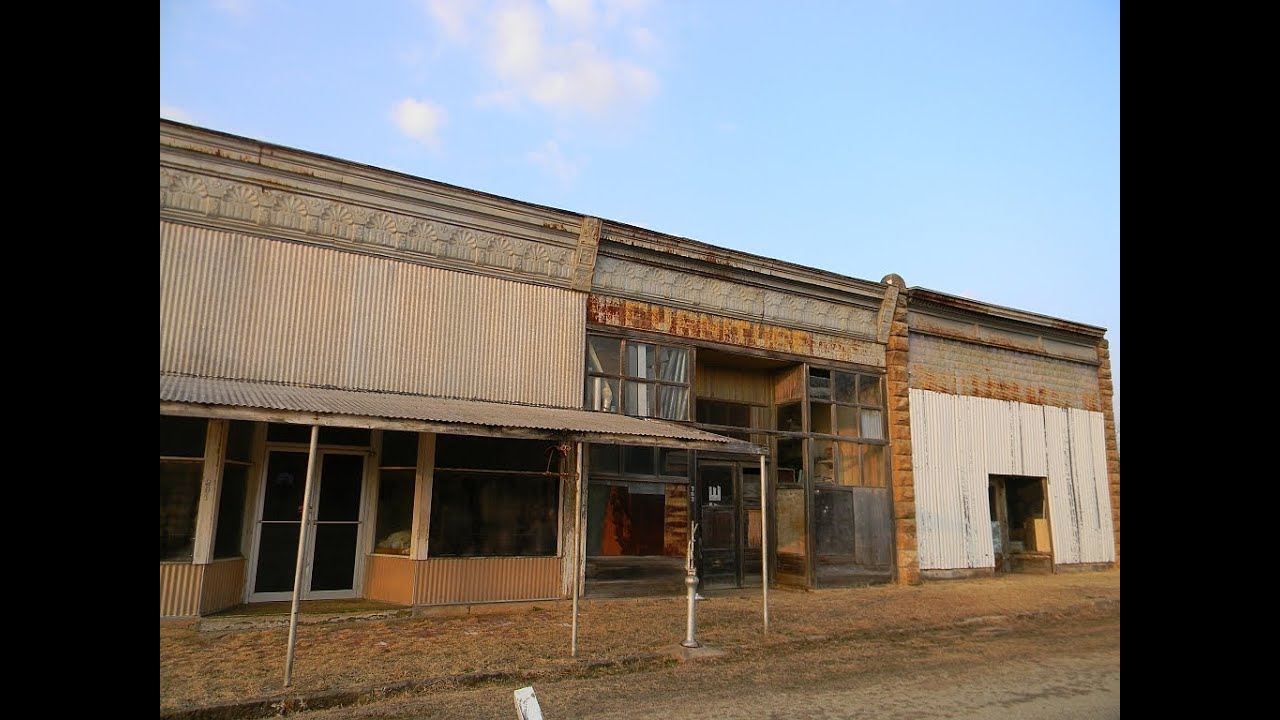
A few of the old building remain on main street, abandoned and in disrepair. The old school was destroyed by fire and little remains but a basement and chimney. The lake built for the railroad endures, though the people who once enjoyed its waters have long since gone.

Информация по комментариям в разработке