Logo video2dn
  • Сохранить видео с ютуба
  • Категории
    • Музыка
    • Кино и Анимация
    • Автомобили
    • Животные
    • Спорт
    • Путешествия
    • Игры
    • Люди и Блоги
    • Юмор
    • Развлечения
    • Новости и Политика
    • Howto и Стиль
    • Diy своими руками
    • Образование
    • Наука и Технологии
    • Некоммерческие Организации
  • О сайте

Скачать или смотреть Giant Volcano On Mars? NASA Captures 'Arsia Mons' Twice As Tall As Everest

  • Arya Turzen
  • 2025-06-09
  • 127
Giant Volcano On Mars? NASA Captures 'Arsia Mons' Twice As Tall As Everest
  • ok logo

Скачать Giant Volcano On Mars? NASA Captures 'Arsia Mons' Twice As Tall As Everest бесплатно в качестве 4к (2к / 1080p)

У нас вы можете скачать бесплатно Giant Volcano On Mars? NASA Captures 'Arsia Mons' Twice As Tall As Everest или посмотреть видео с ютуба в максимальном доступном качестве.

Для скачивания выберите вариант из формы ниже:

  • Информация по загрузке:

Cкачать музыку Giant Volcano On Mars? NASA Captures 'Arsia Mons' Twice As Tall As Everest бесплатно в формате MP3:

Если иконки загрузки не отобразились, ПОЖАЛУЙСТА, НАЖМИТЕ ЗДЕСЬ или обновите страницу
Если у вас возникли трудности с загрузкой, пожалуйста, свяжитесь с нами по контактам, указанным в нижней части страницы.
Спасибо за использование сервиса video2dn.com

Описание к видео Giant Volcano On Mars? NASA Captures 'Arsia Mons' Twice As Tall As Everest

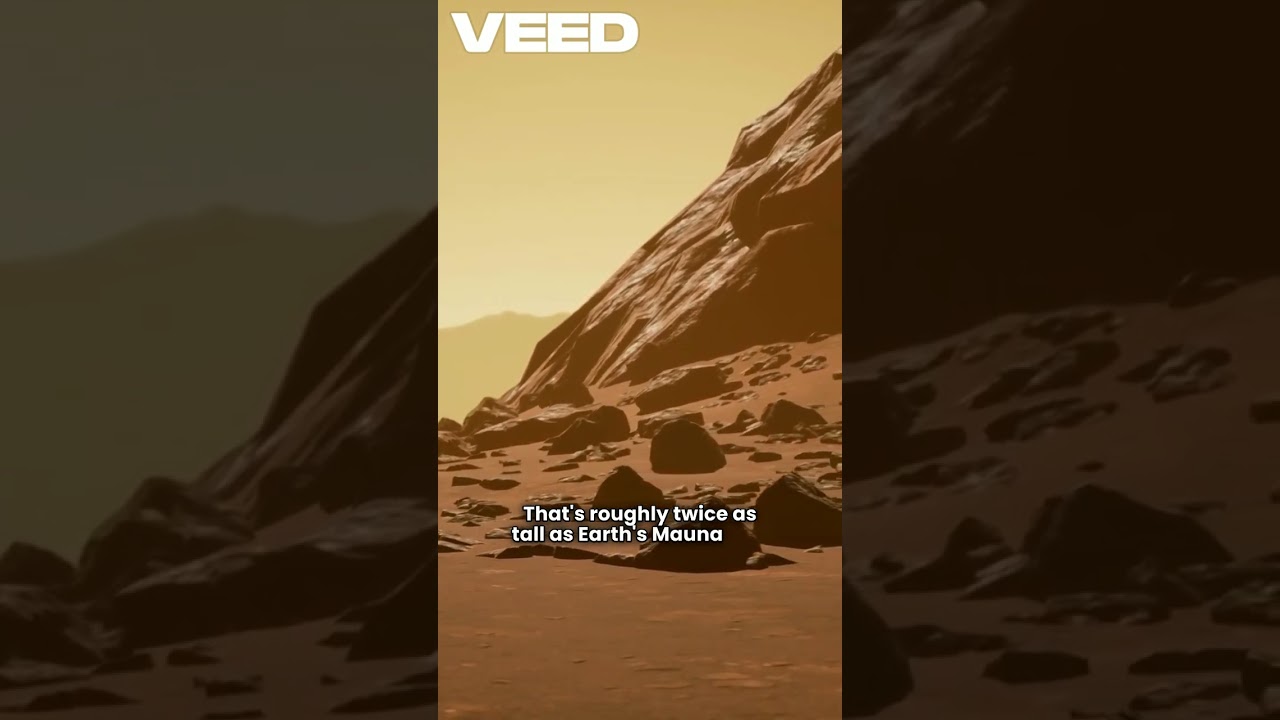
NASA's 2001 Mars Odyssey orbiter has captured a stunning and unprecedented image of Arsia Mons, a giant volcano on Mars that rises about 20 kilometers (12 miles) high, making it roughly twice as tall as Earth's tallest volcano, Mauna Loa, which stands 9 kilometers (6 miles) above the seafloor. Arsia Mons is part of the Tharsis Montes volcanic chain and is the southernmost of the three major volcanoes in this region on Mars.

Key details about Arsia Mons and the recent image:

Height and Size: Arsia Mons towers 20 km above the Martian surface, dwarfing Mauna Loa, and has a massive summit caldera about 120 kilometers (75 miles) wide, larger than many Earth volcanoes.

Cloud Phenomenon: The volcano was seen poking through a thick layer of water ice clouds at dawn, a phenomenon common during Mars' aphelion (when Mars is farthest from the Sun). These clouds form as air rises up the volcano's slopes and cools rapidly, creating a dense cloud cover known as the aphelion cloud belt across the Martian equator.

Imaging Technique: To capture this rare horizon view, the Odyssey orbiter rotated 90 degrees in orbit, allowing its Thermal Emission Imaging System (THEMIS) camera—normally used for surface imaging—to photograph the horizon and the volcano emerging above the clouds.

Scientific Importance: This first-of-its-kind image provides new insights into Martian atmospheric dynamics, seasonal changes in dust and water ice clouds, and helps scientists understand weather patterns including dust storms on Mars. These findings are crucial for planning future missions, especially for entry, descent, and landing operations on the planet.

Visual Perspective: The panorama image shows Mars' horizon as astronauts might see Earth from space, offering a unique perspective on the Red Planet's geological and atmospheric features.

Комментарии

Информация по комментариям в разработке

Похожие видео

  • О нас
  • Контакты
  • Отказ от ответственности - Disclaimer
  • Условия использования сайта - TOS
  • Политика конфиденциальности

video2dn Copyright © 2023 - 2025

Контакты для правообладателей [email protected]