Logo video2dn
  • Сохранить видео с ютуба
  • Категории
    • Музыка
    • Кино и Анимация
    • Автомобили
    • Животные
    • Спорт
    • Путешествия
    • Игры
    • Люди и Блоги
    • Юмор
    • Развлечения
    • Новости и Политика
    • Howto и Стиль
    • Diy своими руками
    • Образование
    • Наука и Технологии
    • Некоммерческие Организации
  • О сайте

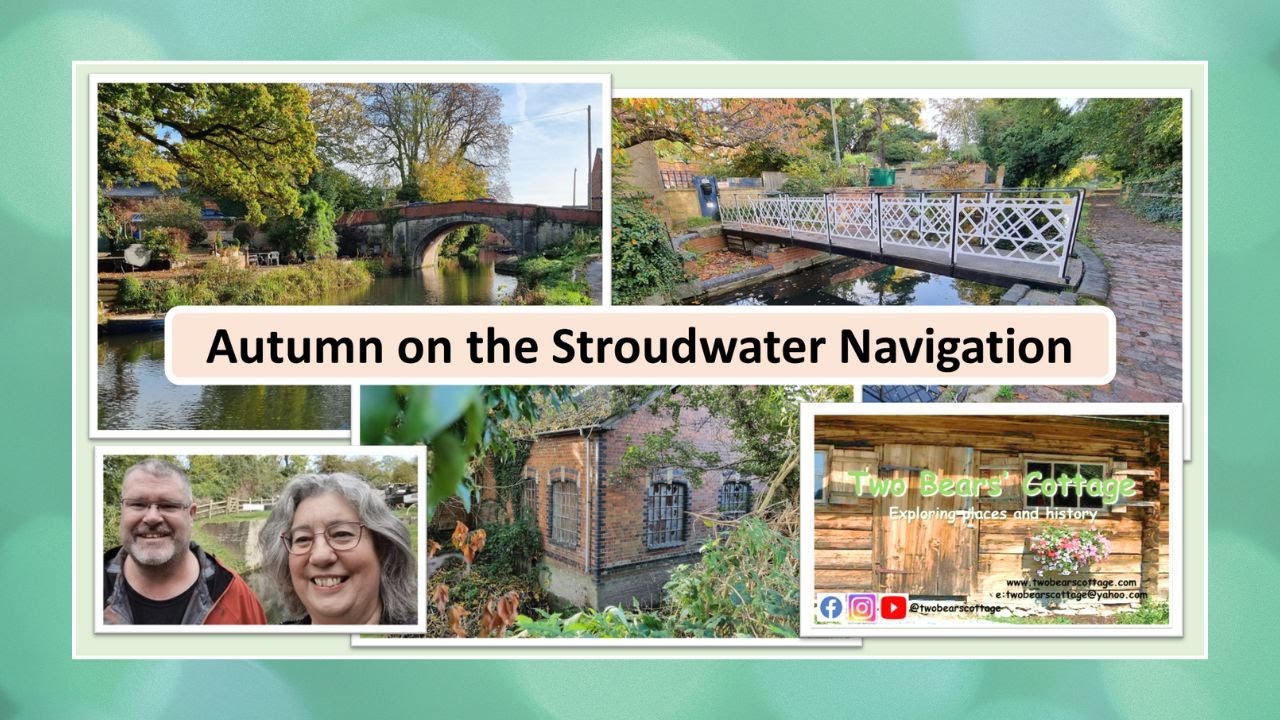
Скачать или смотреть Autumn on the Stroudwater Canal | Gloucestershire

  • Exploring places and history
  • 2023-02-27
  • 119
Autumn on the Stroudwater Canal | Gloucestershire
#stroudwater#stroudwatercanal#stroudwaternavigation#cotswoldcanals#stroud#gloucestershire#cotswolds#canal#ryeforddoublelock#lockgates#canalheritage#ebleymill#ryeford#stonehouse#boatmobility#riverotter#thecotswoldway#midlandsrailway#severntrow#riverfrome#ebleymillmosaic#fishladder#ebley#otter
  • ok logo

Скачать Autumn on the Stroudwater Canal | Gloucestershire бесплатно в качестве 4к (2к / 1080p)

У нас вы можете скачать бесплатно Autumn on the Stroudwater Canal | Gloucestershire или посмотреть видео с ютуба в максимальном доступном качестве.

Для скачивания выберите вариант из формы ниже:

  • Информация по загрузке:

Cкачать музыку Autumn on the Stroudwater Canal | Gloucestershire бесплатно в формате MP3:

Если иконки загрузки не отобразились, ПОЖАЛУЙСТА, НАЖМИТЕ ЗДЕСЬ или обновите страницу
Если у вас возникли трудности с загрузкой, пожалуйста, свяжитесь с нами по контактам, указанным в нижней части страницы.
Спасибо за использование сервиса video2dn.com

Описание к видео Autumn on the Stroudwater Canal | Gloucestershire

The Stroudwater Navigation opened in 1779 and runs for eight miles from Upper Framilode on the River Severn to Wallbridge Junction at Stroud.
The section of the canal that we walked in this video is from Stonehouse Court to Ebley Mill, in Stroud.
Skew Bridge carried the Stonehouse to Nailsworth Branch of the Midlands Railway Line over the canal. Passenger trains ended in 1947 but commercial freight traffic continued until the last trains ran in 1966. It’s now a footpath which forms part of the Cotswold Way.
Skew Bridge was designed by engineer James Ferrabee and was built in 1867. The Ferrabee family ran the Phoenix Ironworks based in Thrupp on the other side of Stroud. They produced cloth making machines, water wheels and steam engines. One of their engineers, Edwin Budding, designed the first ever lawn mowers and the World’s first adjustable spanner, both of which are still in common use the World over to this day!
These lights were installed as a fun feature for the Boatmobility charity which gives pleasure boat rides to disabled people.
The canal is one of two waterways which link the rivers Thames and Severn. It provided a vital trade link from the woollen mills of the Stroud Valley to the River Severn and beyond. It also brought coal, a vital fuel, to the mills. It is a broad canal and was specifically designed to take the Severn Trows, which could be up to 68ft long and 15ft wide and carry cargoes up to a massive 100 tons.
This coal pen is Grade II listed and was built in 1864 from local limestone. Known as Marling’s coal pen, it was built to store coal for Stanley Mill, owned by the Marling family who manufactured cloth up until the 1980s.
Ryeford Wharf was known as Ford’s Wharf, after the family who owned Ryeford flour mill. Built in the 1770s originally to manufacture cloth, the mill was changed to a flour mill when the Ford family took it over in the 1860s. When their business collapsed in the early 1880s the mill became a saw mill.
Ryeford bridge carried the main road through the area. It was later widened to allow horse drawn barges to navigate the canal.
Ryeford sluices gates regulate the level of water in the canal and the River Frome.
The Stroudwater Navigation has 12 locks in total. Ryeford is the only double lock. It has two chambers which share a single set of middle gates. The lock-keeper’s cottage was built in 1784.
The canal and the river run side by side and were integral to the transportation of coal to the area’s mills and the cloth and flour that the mills produced. Their closeness was beneficial to maintaining the canal’s water level.
Commercial traffic along the canal ceased during World War 2 and the canal was formally closed in 1954 and declined into a desperate state of repair until 1972, when restoration work started.
These carvings represent the four industries that this mill has been used for. Built in 1721, Oil Mill produced local rape and linseed oil (linseed is also known as flax). The mill was later used for the fulling of cloth. In the 20th century it produced animal feeds and today it makes snow!
The lock gates at Ebley wharf are not lock gates, they are flood gates designed to alleviate the risk of flooding in the area by diverting excess water into the River Frome’s floodplain further along the canal towards Stonehouse.
Ebley Mill's mosaic was created by the pupils of the nearby St Matthew’s school. It was funded by the Heritage Lottery Fund and the Cotswold Canals Trust. The children researched the history of the area and designed the artwork which was turned into a mosaic by a local artist.
Ebley Mill was built in 1818 and extended in 1861. It produced cloth. In the 1980’s it became the headquarters for Stroud District Council.
I just caught a glimpse of something swimming in the river out of the corner of my eye. It was a river otter! How beautiful!
This playing field used to be a woodland and orchard. In the 1920s the area was being used as a playing field for the staff of a nearby paper manufacturer. It’s now owned by Stroud District Council and was awarded Queen Elizabeth II status in 2012 as part of a scheme called “Fields in Trust” which protects and maintains outdoor recreational spaces across the country in perpetuity. The Stroud Valley’s Project does a valuable job in maintaining the area’s environmental credentials. It has restored the pond, planted apple trees, put up bird boxes and planted wildflowers. It is now a valuable wildlife habitat and a community resource. It attracts butterflies, moths, insects, birds, bats, newts, damselflies, dragonflies and, as we’ve already seen, even river otters.
With me on this walk was my brother - here's the link to his channel: ‪@WanderingwithWatto‬

Комментарии

Информация по комментариям в разработке

Похожие видео

  • О нас
  • Контакты
  • Отказ от ответственности - Disclaimer
  • Условия использования сайта - TOS
  • Политика конфиденциальности

video2dn Copyright © 2023 - 2025

Контакты для правообладателей [email protected]