Almonds: The Secret Weapon for PCOS and Boosting Fertility
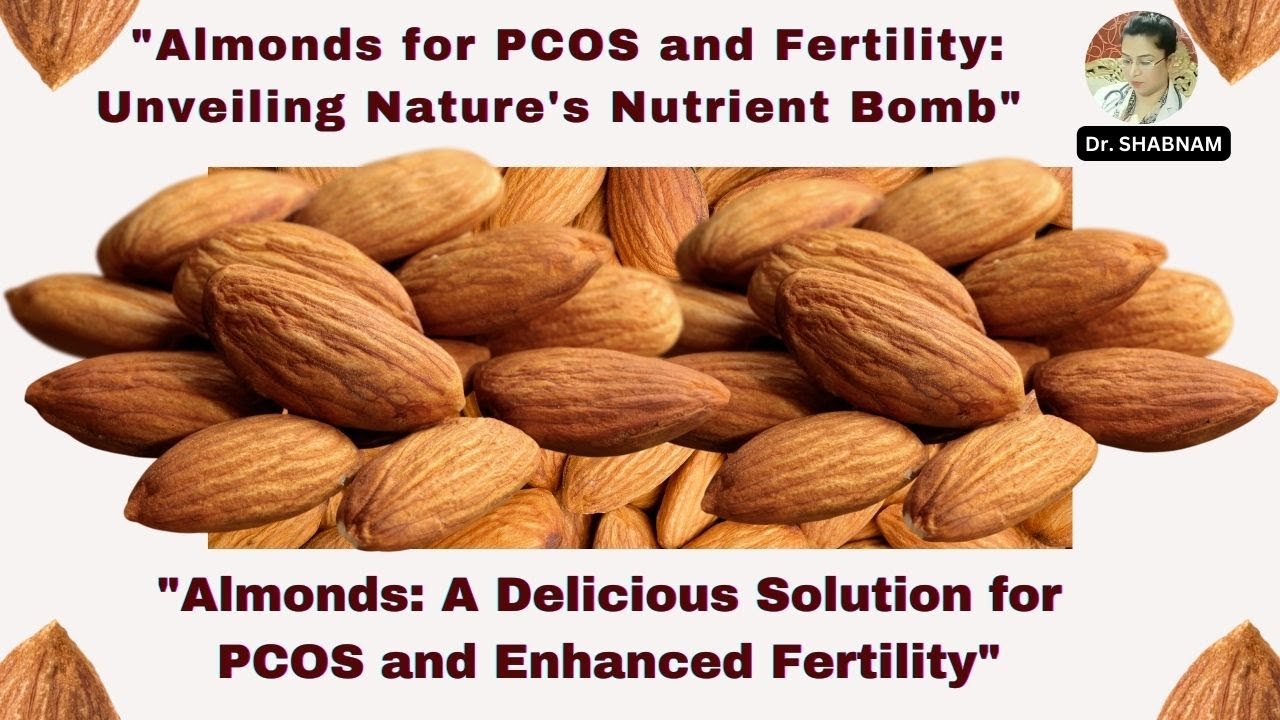
In recent years, almonds have gained significant attention as a natural remedy for Polycystic Ovary Syndrome (PCOS) and a potential aid in boosting fertility. PCOS affects millions of women worldwide and can cause a range of hormonal imbalances and reproductive difficulties. Nature's nutrient bomb, almonds, offers a promising solution due to their nutritional composition and various health benefits. In this article, we will delve into the impact of almonds on PCOS and fertility and explore why they are becoming a secret weapon in combating these conditions.
Understanding PCOS:
Before we delve into the benefits of almonds, it is essential to understand PCOS. Polycystic Ovary Syndrome is a hormonal disorder characterized by enlarged ovaries containing small cysts. It affects women of reproductive age and can lead to irregular menstrual cycles, infertility, weight gain, acne, and excessive hair growth. PCOS is a complex condition with various contributing factors, including insulin resistance and hormonal imbalances.
Nutritional Powerhouse: Almonds
Almonds are nutrient-dense tree nuts that are packed with essential vitamins, minerals, and healthy fats. These tiny yet mighty nuts contain high levels of vitamin E, magnesium, and monounsaturated fats, all of which play a crucial role in improving overall health and combating PCOS symptoms.
a. Vitamin E: Almonds are an excellent source of vitamin E, a potent antioxidant that helps reduce inflammation in the body. Studies have shown that vitamin E supplementation may improve menstrual regularity and decrease testosterone levels in women with PCOS, thus alleviating symptoms and enhancing fertility.
b. Magnesium: PCOS sufferers often have low magnesium levels, which can exacerbate insulin resistance and hormonal imbalances. Almonds are rich in magnesium, a mineral that plays a vital role in insulin sensitivity and glucose control. By including almonds in their diet, women with PCOS can potentially improve insulin sensitivity and regulate their menstrual cycles.
c. Healthy Fats: Almonds are abundant in monounsaturated fats, which are considered heart-healthy fats. These fats can help reduce inflammation and improve insulin sensitivity. Consuming almonds regularly may help manage weight, a common concern for women with PCOS, and enhance overall fertility.
Balancing Hormones:
Hormonal imbalances are a hallmark of PCOS, and almonds can help restore balance through their nutrient content. The combination of vitamin E, magnesium, and healthy fats in almonds contributes to hormonal regulation in several ways:
a. Insulin Sensitivity: Almonds' magnesium content aids in improving insulin sensitivity, reducing insulin resistance commonly associated with PCOS. Enhanced insulin sensitivity can lead to more regular ovulation and hormonal balance.
b. Androgen Reduction: Excessive androgen levels, such as testosterone, are common in women with PCOS and can disrupt the menstrual cycle and fertility. The vitamin E in almonds has been shown to reduce androgen levels, providing relief from PCOS symptoms and promoting reproductive health.
c. Inflammation Control: Chronic inflammation is often observed in women with PCOS, contributing to hormonal imbalances. The vitamin E and monounsaturated fats in almonds possess anti-inflammatory properties, which can help manage inflammation and support hormone regulation.
Boosting Fertility:
Infertility is a major concern for women with PCOS, and almonds offer potential benefits in enhancing fertility:
a. Ovulation Support: Almonds' ability to improve hormonal balance and insulin sensitivity can lead to more regular ovulation, increasing the chances of conception.
b. Nutrient Support: Almonds provide essential nutrients necessary for reproductive health, such as vitamin E and magnesium. These nutrients support the development and maturation of eggs, improving overall fertility.
c. Weight Management: Maintaining a healthy weight is crucial for fertility, and almonds can be a valuable addition to a balanced diet. The fiber and healthy fats in almonds promote satiety and can help manage weight, contributing to improved fertility outcomes.
Conclusion:
Almonds have emerged as a secret weapon in managing PCOS symptoms and boosting fertility. Their rich nutrient profile, including vitamin E, magnesium, and healthy fats, offers numerous benefits for women with PCOS. By incorporating almonds into their diet, women can potentially improve hormonal balance, regulate menstrual cycles, and enhance fertility.
#Almonds
#PCOS
#Fertility
#HealthBenefits
#Nutrition
#NaturalRemedies
#HormonalBalance
#Women'sHealth
#Wellness
#HealthyLiving
#PCOSSymptoms
#HormoneRegulation
#Infertility
#ReproductiveHealth
#WeightManagement
#VitaminE
#pcod
#HealthyFats
#InsulinSensitivity
#InflammationControl

Информация по комментариям в разработке