Are you studying long hours only to feel frustrated by minimal results? The key to academic success isn't always studying harder—it's studying smarter. While intelligence determines potential, effective study habits determine performance. This video breaks down the causes of poor study habits and provides 30 actionable strategies to transform your learning routine, maximize retention, and reduce stress.
💡 Why Traditional Methods Fail
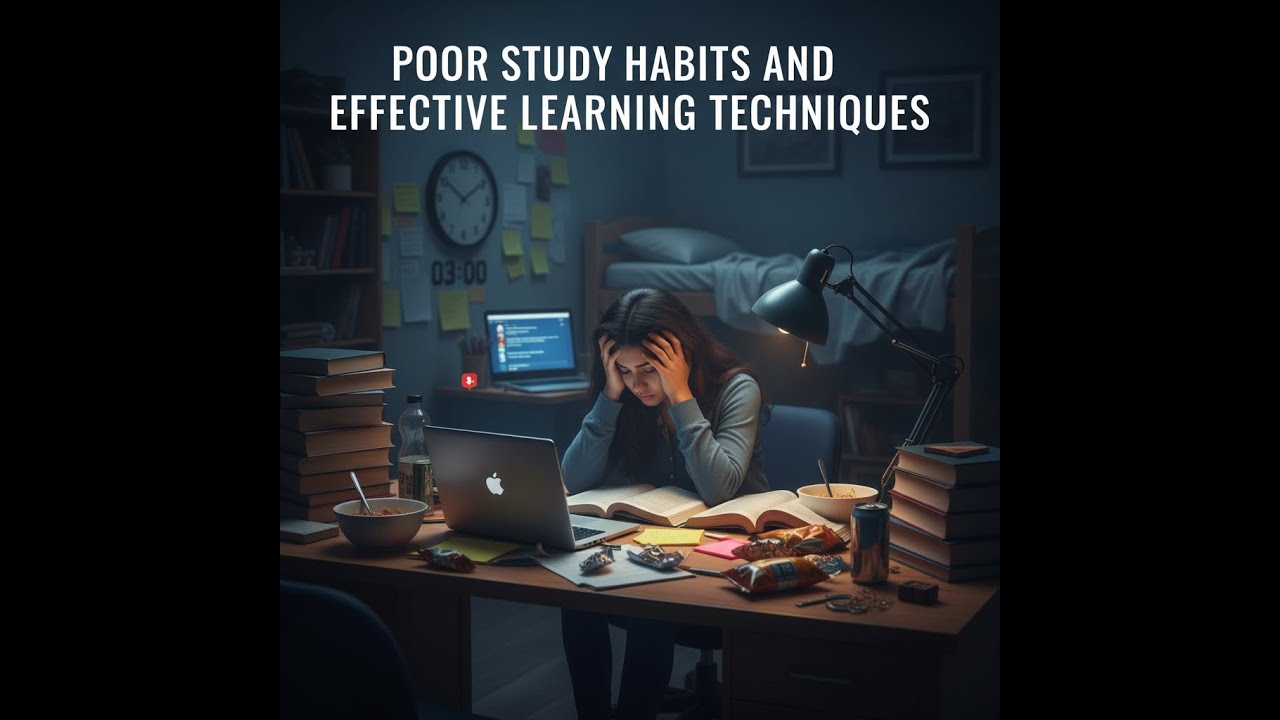
Many students spend long hours working but achieve little progress due to ineffective study techniques and unproductive or disorganized patterns of learning. Poor habits often lead to reduced comprehension, weak retention, and academic underachievement.
We discuss the common symptoms, including:
• Studying for hours without retaining information.
• Procrastination or last-minute cramming.
• Feeling overwhelmed or disorganized before tests.
• Over-reliance on rote memorization without true understanding.
Causes often include a lack of metacognition (unawareness of how one learns best) or an overemphasis on memorization rather than comprehension in teaching methods.
✅ Strategic Solutions for Smart Learning
We provide detailed practical solutions focusing on strategy, cognitive enhancement, and well-being, helping you become a self-regulated learner.
Key Study Techniques Backed by Research:
• Active Recall and Spaced Repetition: Replace rote learning with active recall (testing yourself after studying) and utilize spaced repetition (reviewing content after 1, 3, or 7 days). APA reports that students using these methods outperform rote learners by 40%.
• Structured Learning: Create a personalized study timetable and begin each session with clear micro-goals (e.g., “Finish Chapter 2 summary in 30 minutes”). Study planning and self-regulated learning can improve academic success by 25% globally.
• SQ3R Technique: Adopt the structured approach of Survey, Question, Read, Recite, and Review.
• Higher-Order Learning: Ensure effective learning occurs through the cycle of experience, reflection, conceptualization, and application, as outlined in Kolb’s Experiential Learning Theory.
• Cognitive Focus: Use short, focused sessions (like the Pomodoro method) and relate new information to what you already know (constructive association).
멘 The Impact of Smart Learning
By shifting your strategy, you can avoid common consequences like stress, burnout, and the rapid fading of knowledge after exams (reduced long-term retention). Learn to strengthen self-efficacy—the belief that you can learn—which makes you more likely to persist and adopt better habits.
Academic excellence is achieved through strategic effort. Implement these changes and unlock your unique strengths to build mastery with less stress and greater satisfaction.
--------------------------------------------------------------------------------
#SmartLearning #StudyTips #AcademicSuccess #ActiveRecall #SpacedRepetition #StudentLife #StudyHabits #Metacognition #SQ3R #TestAnxiety #productivity
Disclaimer:
Extensive research, planning, and creative effort go into the making of each video. Although I use AI tools and language models (including chatbots and Google Notebook LM) to assist in script writing and content generation, every topic is personally researched, written, and refined by me. A lot of thought, hard work, and dedication are invested to ensure each video addresses real human needs and delivers meaningful and authentic content.

Информация по комментариям в разработке