Unveiling the Ethiopian Wolf: Survival in the Highlands
Witness the Secret Life of Africa's Rarest Canid!
🐺 Ethiopian Wolf: Comprehensive Overview
📌 Taxonomy & Conservation Status
Scientific Name: Canis simensis
Common Names: Ethiopian wolf, Simien fox, red jackal, horse jackal
Conservation Status: Endangered (IUCN Red List)
Estimated Population: Approximately 360–440 adults, with over half residing in the Bale Mountains
📏 Physical Characteristics
Size: Comparable to a coyote; long, narrow skull; red and white fur
Weight: Males average 14–19 kg; females average 11–14 kg
Height: Approximately 60 cm at the shoulder
Distinctive Features: Long legs, bushy tail, reddish coat with white markings
🌍 Habitat & Distribution
Geographic Range: Endemic to the Ethiopian Highlands
Preferred Habitat: Afroalpine grasslands and heathlands at elevations between 3,000–4,500 meters
Habitat Characteristics: Open areas with short herbaceous vegetation, abundant in Afroalpine rodents
🍽️ Diet & Hunting Behavior
Primary Diet: Specialized feeder on Afroalpine rodents, particularly the giant mole-rat
Hunting Strategy: Solitary foraging; relies on acute hearing and swift pouncing to catch prey
🐾 Social Structure & Behavior
Pack Composition: Family groups of up to 20 individuals; typically includes all males born into the pack and one or two females
Territoriality: Packs defend territories averaging 6 km²; larger territories up to 13.4 km² in areas with scarce food
Communication: Regular scent-marking and vocalizations; aggressive interactions with neighboring packs
❤️ Reproduction & Lifecycle
Mating System: Monogamous; cooperative breeding observed
Breeding Season: August to November
Gestation Period: 60–62 days
Litter Size: 2–6 pups
Pup Development: Born toothless and blind; emerge from the den after three weeks; weaned by 10 weeks to six months
Parental Care: Dominant female primarily breeds; subordinate females may assist in rearing pups
⏳ Lifespan
In the Wild: Estimated 8–10 years; data limited due to the species' endangered status
⚠️ Threats & Conservation Efforts
Major Threats: Habitat loss due to agriculture, disease transmission from domestic dogs (rabies, distemper), and hybridization
Conservation Initiatives: Ethiopian Wolf Conservation Programme focuses on vaccination campaigns and community engagement
🌍 Explore the Wild Side of AI 🔮
👇 Dive into the full multiverse of WildAItopia 👇
📸 Instagram: / wildaitopia
🎵 TikTok: / wildaitopia
📝Blog: https://wildaitopia.blogspot.com/
🌌Tumblr: https://www.tumblr.com/blog/wildaitopia
🐦X (Twitter): https://x.com/WildAItopia
Rumble : https://rumble.com/register/WildAITopia/
Dailymotion: https://dailymotion.com/wildaitopia
✨ Art. Chaos. Code. Consciousness.
Step into the glitch — where the future gets weird, and the wild gets digital.
👇 Like what you saw?
Subscribe for more untold animal stories, wild truths, and cinematic encounters.
🌿 Turn on notifications – the jungle has more secrets to reveal.
Ethiopian wolf,
Canis simensis,
endangered African species,
rare wolves of Africa,
Afroalpine predator,
Ethiopian Highlands wildlife,
Bale Mountains wolf,
African canid species,
wildlife conservation Ethiopia,
rare carnivores of Africa,
wildlife documentary Africa,
highland ecosystems predators,
endemic species Ethiopia,
African wolf pack behavior,
solitary hunter wolves,
#EthiopianWolf #CanisSimensis #WildlifeConservation #EndangeredSpecies #WildlifePhotography #NatureLovers #WildlifeOfAfrica #AfroalpineEcosystem #BaleMountains #EthiopianHighlands
The Last Hunter of the Highlands: A Journey into the Life of the Ethiopian Wolf
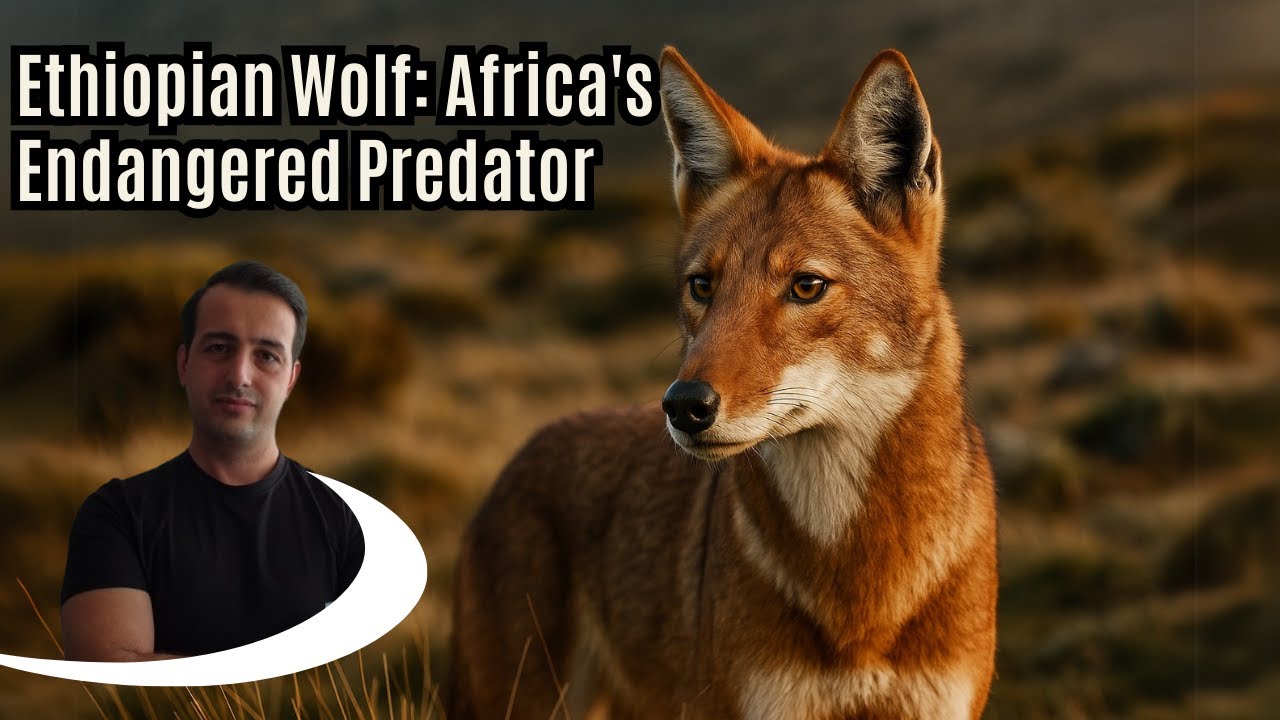
High above the clouds, in the rugged heart of the Ethiopian Highlands, roams one of Africa’s most elusive and endangered predators — the Ethiopian wolf (Canis simensis). With a gaze sharp as the wind that whips across the alpine moors and a coat that glows a fiery red in the mountain sun, this rare canid is both a marvel of evolution and a poignant symbol of fragility. I had heard stories of this lone hunter, Africa’s only true wolf, but nothing prepared me for the sheer magic of seeing it in the wild — a fleeting moment that stitched itself into memory like a heartbeat.
A Species Carved by Altitude
The Ethiopian wolf is a creature of altitude. Found only in the highlands of Ethiopia, typically at elevations above 3,000 meters (9,800 feet), it has evolved to thrive in an environment where few large predators dare venture. Here, above the tree line, the air is thin, the nights are cold, and the landscape is draped in a unique tapestry of Afroalpine flora. Giant lobelias stretch toward the sky, tussock grasses sway like waves, and the ground is riddled with rodent burrows — a crucial detail in the Ethiopian wolf’s story.


Информация по комментариям в разработке