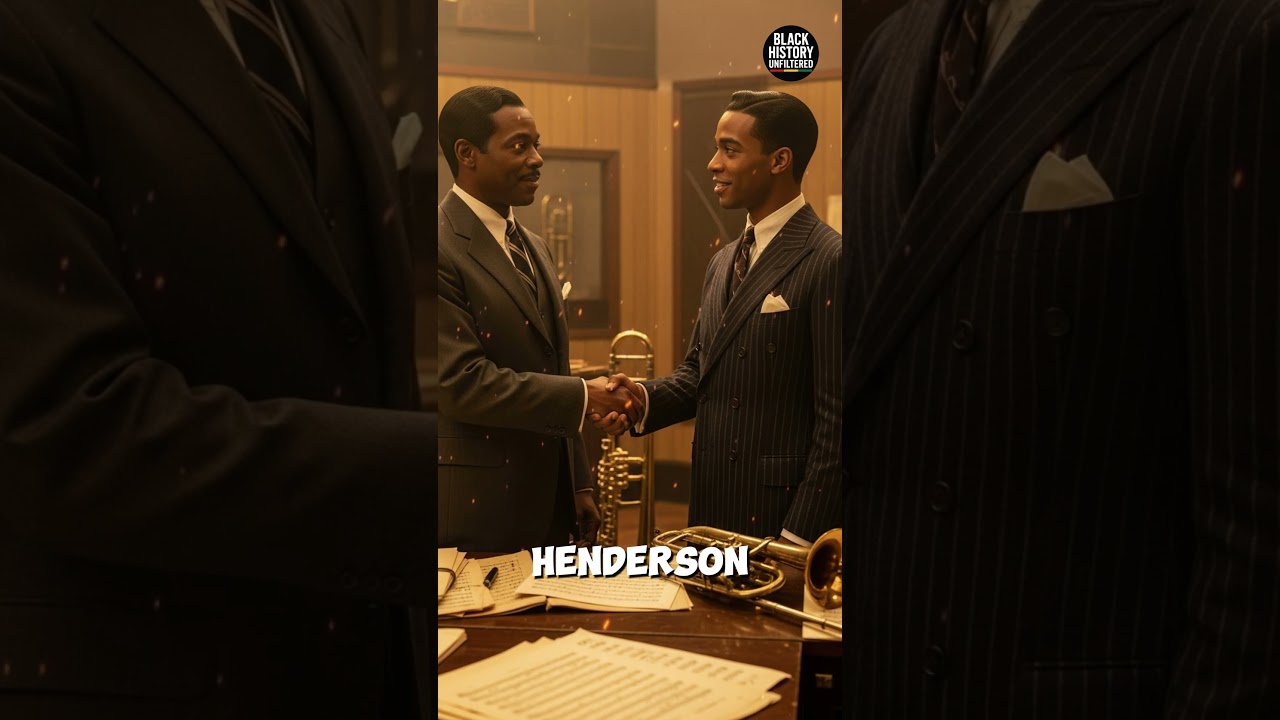
He started a record company with just $30,000 to take on a billion-dollar industry that shut Black artists out.
His name was Harry Pace, and in 1921, he launched Black Swan Records in Harlem — the first nationally distributed Black-owned record label.
His mission? To showcase the full spectrum of Black musical genius — from opera and classical to jazz and blues — when white labels refused.
With stars like Ethel Waters and Fletcher Henderson, Black Swan shattered stereotypes and proved there was a powerful market for authentic Black art.
But when the giants like Columbia and Paramount fought back — stealing artists and undercutting his prices — Pace’s dream collapsed.
By 1923, Black Swan Records was gone.
But its impact? Eternal.
Without Harry Pace, there would be no Motown, no Stax, no Def Jam.
He laid the foundation for every Black-owned label that followed.
🎧 Share the name Harry Pace.
💬 Comment “Black Swan Records” if this is your first time hearing his story.
📚 Follow for more hidden Black history they never taught in school.
Harry Pace, Black Swan Records, Black history, Ethel Waters, Fletcher Henderson, Motown history, Black-owned record labels, Harlem Renaissance, music industry racism, African American history, early Black entrepreneurs, forgotten Black heroes, 1920s music, first Black record company, history of Black music, hidden Black history, Black excellence, Black business pioneers, jazz history, music documentary, inspiring Black stories, unsung heroes, Def Jam, Stax Records, race and music, Harry Pace story, Black innovators in music
#HarryPace, #BlackSwanRecords, #BlackHistory, #MusicHistory, #BlackExcellence, #HiddenHistory, #HarlemRenaissance, #BlackEntrepreneurs, #Motown, #StaxRecords, #EthelWaters, #FletcherHenderson, #BlackOwnedBusiness, #BlackMusic, #HistoryUncovered, #UntoldStories, #BlackCulture, #MusicDocumentary, #AfricanAmericanHistory, #InspiringStories
Информация по комментариям в разработке