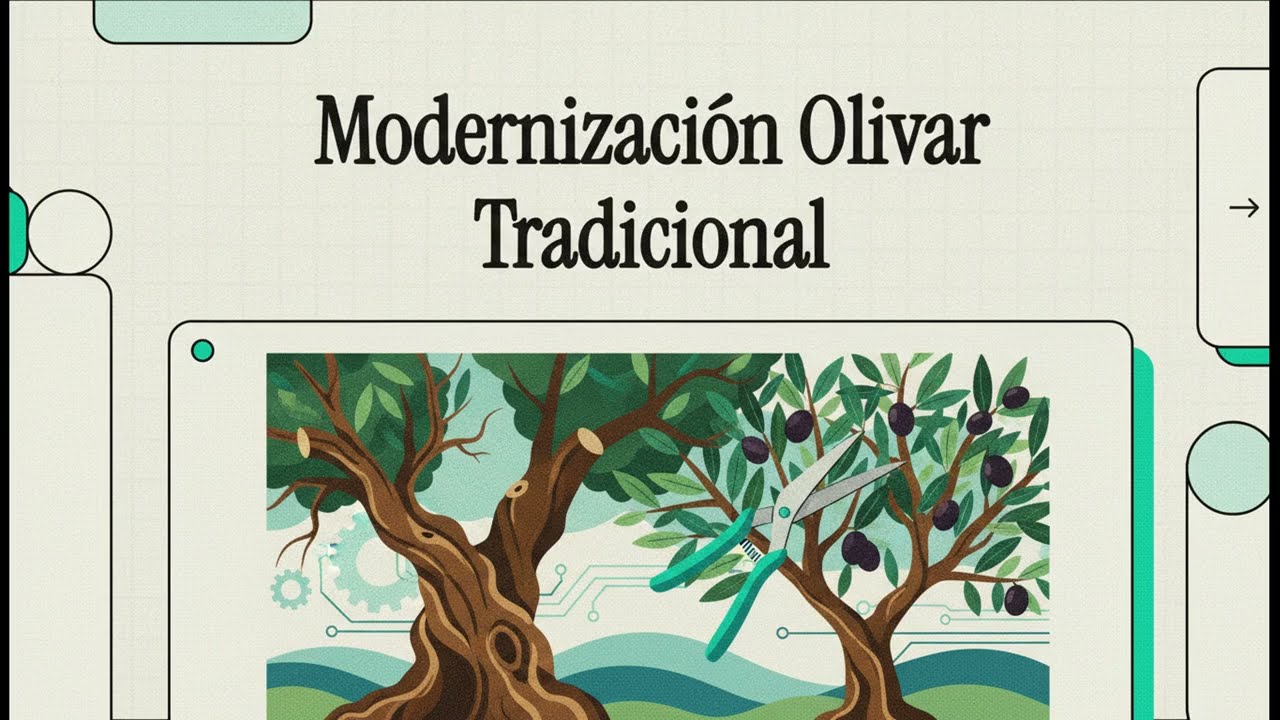
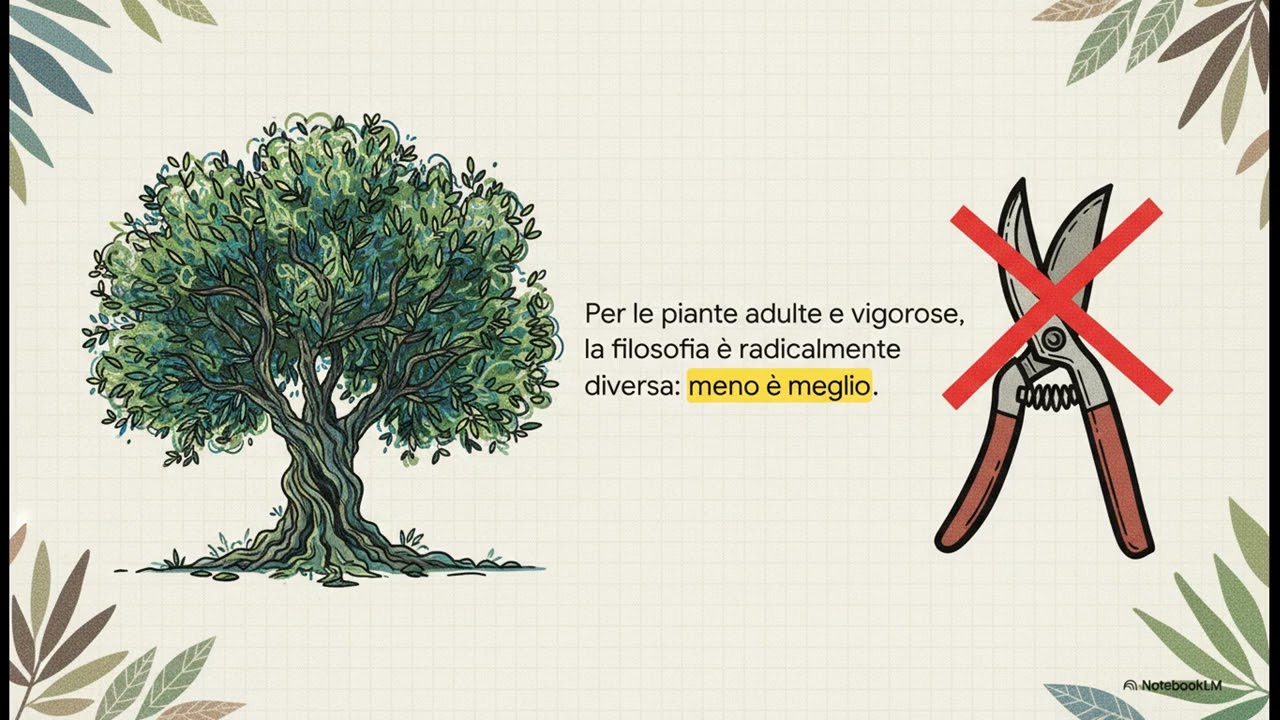
Palermo: soft and gradual reform for the recovery of traditional olive trees. In the Grisì territory, in the province of Palermo, olive growing represents a solid identity element, linked to varieties such as “Nocellara del Belìce”, “Biancolilla”, “Cerasuola” and “Giarraffa”, also part of a great rural heritage value. However, many traditional plants present structural limitations: excessively tall trunks, accumulation of woody mass, excessive production, and cycles of drastic stress every two or three years that generate recurrent imbalances. The intervention proposed by agronomist Vito Vitelli is based on a precise technical principle: to interrupt the cycle of excess of Madeira, drastic reduction and new vigor by means of a gentle and progressive step. It is not about traumatic interventions alternating with long periods of abandonment, until a gradual recovery over two or three years. The first step consists of cleaning the inside of the cup, eliminating the excessive crown and introducing 20 to 25 centimeters of ammunition into the dorsal branches. Starting from these threading points, moderate threads will be rolled out, useful for progressively rebuilding a more internal productive zone. The objective is to create a cone of light with a radius approximately 100 to 120 centimetres. Greater brightness implies more efficient photosynthesis, less humidification and reduction of phytosanitary problems. On the external part, the silhouette adjustment is applied, defining a cylindrical profile of the cup. The branches that exceed the useful volume are brought back to the interior, limiting peripheral expansion and the formation of unproductive grass. In this way the balance between the operational center, composed of the root and trunk, and the production periphery is maintained. Not all plants can be recovered solely with gentle interventions. In one part of the experiment it may be necessary to plan a phase of drastic reform, with trunk length at 110 or 130 centimeters and complete reconstruction of the structure using the Zaragoza method. Not if the entire surface is applied, until in accordance with a multi-year plan agreed with the agricultural contractor. The benefits are concrete: greater entry of light into the soil, better drying of vegetable food, increase in operational speed and reduction in running hours. Overall, the vegetative and productive balance is maintained, avoiding large volumes of eliminated madera and enhancing the potentially fruitful branches. This emphasis is not intended to replace Italian varieties with standard models, but to modernize the management of the traditional olive oil, preserving the territorial identity and quality of the product. Structure, light and operational simplification are adapted to the key pallets to guarantee constant productivity and economic sustainability.
Official editorial note:Original content developed by agronomist Vito Vitelli, developed and optimized with the help of artificial intelligence farming with informative, informative and technical enhancement purposes.
Dissemination activity carried out in collaboration with:
• Palermitano: potatura soft e riforma gradu...











Информация по комментариям в разработке