Laparoscopic Surgery Light Source | Know About Advanced Equipment Used In Laparoscopic Surgery
STAR Hospital - Region's First Internationally Certified Super-Specialist Centre for Bariatric Surgery | Weight Loss Surgery | Metabolic Surgery | Diabetes Surgery
#laparoscopicsurgery #laparoscopy #medical
Dr. Jasmeet Singh Ahluwalia
(MS, FNB-MAS, FBMS)
Super-Specialist Bariatric, Metabolic & Advanced Laparoscopic Surgeon
265, Lajpat Nagar, Guru Nanak Mission Chowk,
Jalandhar, Punjab, 144001
Helpline: +91-9888958889
Website: http://drjasmeetahluwalia.com
YouTube channel : / drjasmeetsinghahluwalia
Facebook page: / drjasmeetahluwalia
Google Map Link - https://maps.app.goo.gl/tgBRuhrc4V9op...
Appointment: 0181-4674888
For International Patients-
Tour planning & help in medical visa
Airport pickup and drop
Deluxe Suit
Local accomodation
Long term followup from India
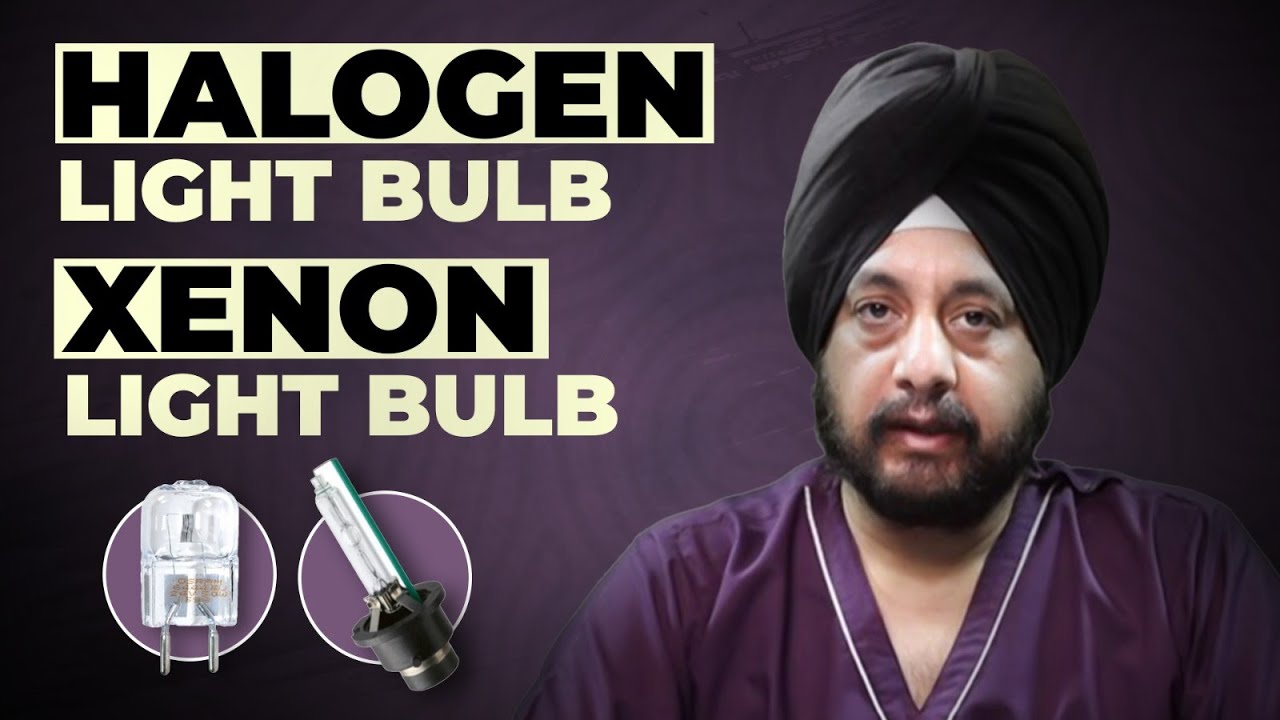
In this video, we will discuss the light sources used in laparoscopic surgery. Initially, halogen light bulbs were used, which were later replaced by xenon light bulbs. Today, most modern laparoscopic systems use LED light sources. In this video, we will focus exclusively on LED light sources.
For demonstration, we will take the example of the L10 model from Stryker. Most light sources have a dedicated port with a connector for the light cable. The shape of the connector may vary depending on the model. Before inserting the cable, the port is opened, and the connector is gently pushed into the available slot. Once inserted, the locking mechanism automatically engages, ensuring that the cable remains securely in place.
This particular model is equipped with a safety lock, which prevents the light from turning on unless the light cable is properly connected. To remove the cable, the lock is gently pressed again, allowing the cable to disconnect smoothly.
Most light sources also include controls to switch the light on or off and to adjust the light intensity. In this model, there is a standby button; once the cable is connected, pressing this button activates the light. The intensity can be adjusted from 0 to 100 percent.
Some light sources offer advanced features. For example, this model supports Indocyanine Green (ICG) imaging and ureteric catheter illumination, which can be connected through the designated ports. With appropriate camera and system connections, the light source can be upgraded to enable these specialized imaging capabilities.
At the rear end, the unit has a power input along with a dedicated CCU connection. This allows the light source to be connected to the camera control unit, enabling advanced imaging features such as ICG fluorescence and ureteric stent illumination.
Here is another example of a generic LED light source commonly used in laparoscopic surgery. This unit has a main power on/off switch on the side. Once powered on, the intensity is displayed at 100 percent, although the system remains in standby mode. Dedicated buttons allow the user to increase or decrease the light intensity from 0 to 100 percent, as well as to switch the light on or off.
The light cable connects at the front of the unit. A gentle push followed by a clicking sound confirms that the connector is securely attached. The light should only be switched on after the cable has been properly connected.
After the procedure, the light should be switched off using the designated button, followed by turning off the main power supply from the side. Only then should the light cable be disconnected.
This unit features a power cable connection at the rear along with dual cooling fans, which help maintain optimal temperature during prolonged surgical procedures.

Информация по комментариям в разработке